Learn how oncology massage supports cancer care with gentle techniques that reduce pain, stress, and improve well-being during treatment and recovery.
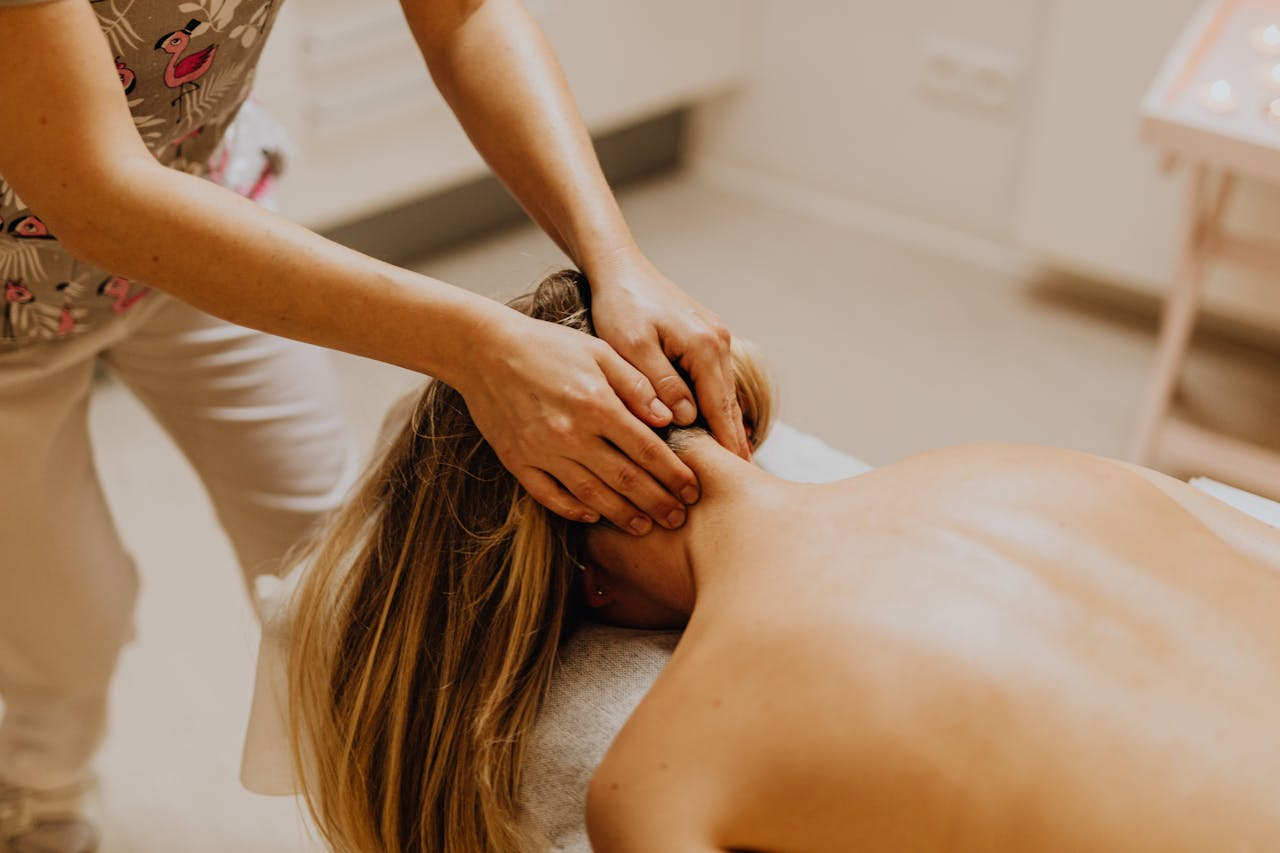
Oncology massage is a form of therapeutic massage tailored for people who are either suffering from cancer or are recovering from it. This technique is different from normal massage because it involves light touches that take into account the person’s situation, his stage in treatment, and his health background.
Oncology massage therapists have been educated to be aware of the implications of therapies such as chemotherapy, radiation, and surgery. These therapists modify their practices to accommodate safe and effective care while also promoting relaxation and comfort.

Defining Oncology Massage in Modern Therapeutic Language
Oncology massage therapy entails a customized bodywork program that takes into consideration the particular requirements of the client who may be undergoing cancer therapies or recovering from the disease.
It is not an ordinary massage because this practice requires consideration of health considerations such as the location of tumors, side effects from treatment, low immunity, and vulnerable tissues.
The Philosophy Behind Oncology Massage
Three fundamental principles guide all practices of oncology massage.
1. Safety Over Routine
All choices during treatment focus on protecting the patient’s health. The therapist needs to treat body parts that have been affected by cancer, surgical procedures, and medical devices with either careful examination or complete avoidance.
2. Adaptation Over Technique
The therapist does not follow a fixed sequence. The therapist adapts his techniques to current conditions, which include fatigue, pain, skin sensitivity, and emotional state.
3. Presence Over Performance
The therapist needs to use his awareness and empathy skills together with his ability to communicate with patients. The body does not need to be fixed because the treatment focuses on helping it function better.
What Are the Benefits of Oncology Massage for People with Cancer?
Pain Relief
The practice of oncology massage treatment decreases discomfort through its ability to relax muscles and decrease physical tension. The use of soft touch techniques enables better comfort for people who have delicate bodies during their cancer treatment process and their recovery time.
Reduction of Stress and Anxiety
This massage treatment reduces both mental and physical stress through its ability to decrease anxiety. The use of soft, slow movements during treatment time helps people with anxiety problems to find peace and inner calm.
Improved Circulation
The body receives proper blood circulation through the application of soft massage techniques. The process of improved circulation enables better oxygen and nutrient delivery to body tissues, which helps in the healing process while protecting tender body areas from harm.
Boosted Immune Function
Oncology massage treatment may help patients achieve better immune function through its ability to decrease stress hormone levels. Reduced stress levels enable the body to operate at its best, which enables it to utilize its energy for healing and recovery work.
Improved Sleep
Massage promotes deep relaxation, which leads to better sleep quality. Patients show improved ability to fall asleep while their sleep patterns become more restful, which leads to reduced fatigue and faster physical and emotional healing.
Emotional Support
Caring touch gives patients comfort and assurance throughout their cancer treatment process. Oncology massage helps decrease loneliness while supporting emotional stability through the delivery of patient connection and understanding.
What Techniques Are Used in Oncology Massage?
Gentle Effleurage
The technique of gentle effleurage applies soft skin contact through gliding strokes to achieve relaxation and comfort. The method establishes nervous system calmness while decreasing stress levels and enabling safe blood flow through light touch.
Petrissage
Petrissage uses light kneading techniques to lift soft tissues, which helps to reduce muscle tension. The purpose of oncology massage requires extremely gentle techniques that help patients gain flexibility while decreasing their stiffness.
Light Stretching
Light stretching involves performing slow and careful movements, which help people improve their ability to move while decreasing their rigidity. The exercise maintains joint flexibility while enhancing blood flow and helping the body remain relaxed without creating any discomfort or stress.
Lymphatic Drainage
Lymphatic drainage employs extremely light rhythmic strokes to enhance lymphatic system function. The treatment reduces swelling in patients who face lymphedema danger because it enables their body to eliminate waste fluids from their tissues through natural processes.
How Oncology Massage Supports the Healing Journey
Though oncology massage does not cure cancer, there are ways in which it positively affects a patient’s wellness in general:
- Stress reduction
- Improvement of sleep
- Pain relief and relaxation
- Boost of emotional strength
- Creation of a human-to-human connection
It is thus a complementary therapy alongside conventional medicine in Cancer treatment.
How Oncology Massage Differs from Traditional Massage
While similar in their objectives, the process of performing oncology massage demands greater knowledge on the part of the therapist than simple massage.
| Aspect | Traditional Massage | Oncology Massage |
| Approach | Standard techniques | Highly customized |
| Pressure | Moderate to deep | Often light and gentle |
| Focus | Muscle tension relief | Whole-person support |
| Consideration of illness | Limited | Central to practice |
| Risk awareness | General | Detailed and specific |
The application of even the most basic techniques, such as applying pressure, carries varied meanings because of tissue fragility, decreased immunity levels, or changes in circulation.
Who Can Benefit from Oncology Massage?
Oncology massage is suitable for people at many stages of the cancer journey:
During Active Treatment
Patients undergoing chemotherapy or radiation treatment experience three specific symptoms, which include fatigue, nausea, and discomfort. The application of gentle massage therapy helps to decrease these symptoms.
After Surgery
Surgical clients emerge from their procedures with three different physical conditions, which include scars, swelling, and limited mobility. Massage treatment can be modified to protect sensitive regions while providing complete body relaxation.
In Recovery or Remission
The body continues to experience treatment effects even after the final session ends. Oncology massage helps patients restore their body awareness and comfort through its therapeutic effects.
In Palliative Care
When people reach the final stages of their medical conditions, their primary needs become comfort and dignity and emotional peace.
Why is Oncology Massage more specialised than other types of Massage Therapy?
Oncology massage provides specialized treatment for cancer patients because it needs to modify its techniques according to their chemotherapy, radiation, and surgical treatments.
The therapists maintain safe operations through their application of altered pressure methods combined with specific techniques and strategic body placement.
The procedure needs comprehensive medical expertise because it demands ongoing modifications and detailed monitoring of non-existent side effects in typical massage treatments.

How to Find a Qualified Oncology Massage Therapist?
To find a qualified oncology massage therapist, look for someone who possesses certified oncology massage training instead of general massage therapy qualifications.
The evaluation should include their experience with cancer patients, together with their medical expertise and understanding of safety procedures.
The organization needs to provide its credentials together with client feedback and recommendations from hospitals or cancer centers. The organization must maintain continuous contact with healthcare providers whenever necessary.
Considerations in Oncology Massage
Medical Clearance
The first step when giving oncology massage therapy is to obtain clearance from the doctor. This entails the assessment of the patient’s health state and any procedures that have been prescribed for him/her before deciding which form of massage is most appropriate.
Adaptation to Treatment Effects
Massage therapists use different approaches depending on whether the patient has undergone surgery, radiotherapy, or chemotherapy. They consider issues such as fatigue, nausea, and pain, thereby modifying their techniques.
Safety and Sensitivity
In oncology massage, safety takes precedence above all else. Gentle massage is practiced in order to avoid hurting or aggravating the patient through areas of sensitivity, open wounds, or medical equipment.
Session Length
Oncology massages tend to be shorter than normal massages due to the health state of patients. Time spent depends on how patients feel during the massage.
Conclusion
Oncology massage provides a soft treatment method that creates a customized experience to help patients achieve comfort and relaxation while improving their emotional state throughout their cancer treatment. The treatment becomes an effective complementary therapy because it improves patient safety through its design and method modifications while taking into account their specific needs.