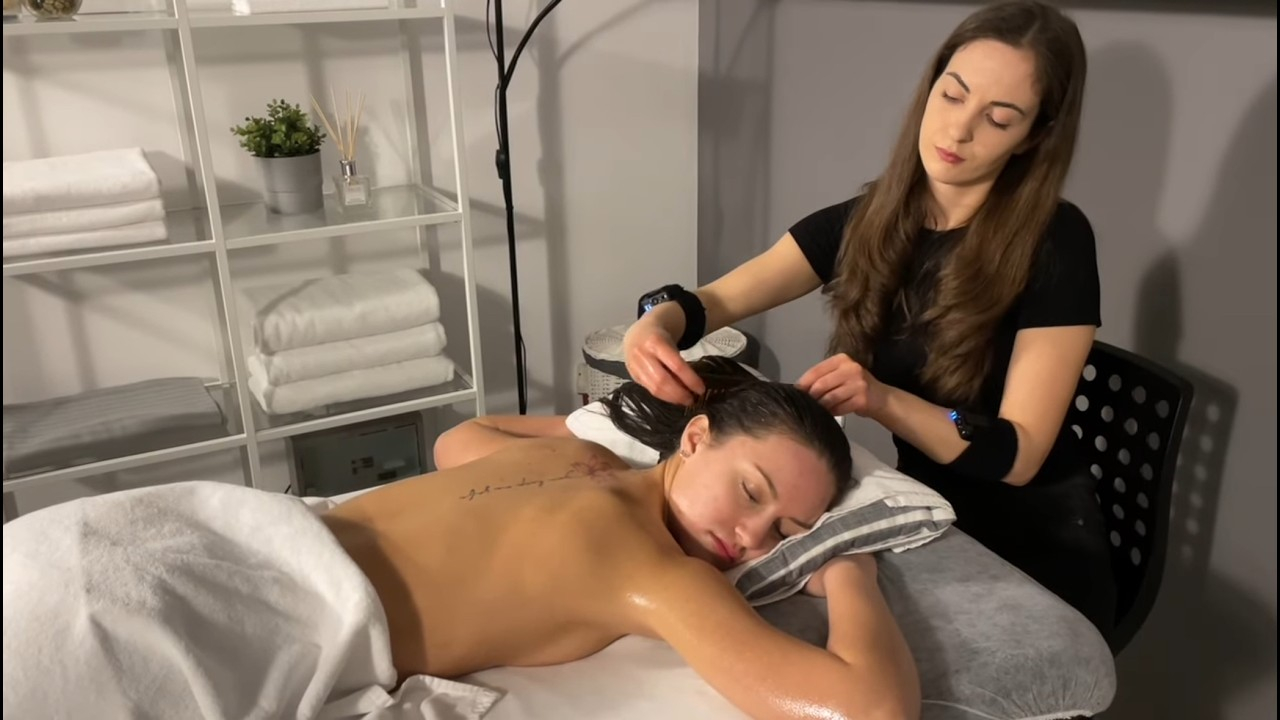
Discover what water massage is, how it works, and its benefits for relaxation, pain relief, stress reduction, and improved blood circulation.
Introduction to Water Massage
Water massage is a massage technique that involves using warm water pressure, water jets, or flowing water to massage the body. It can alleviate stress, relax muscle tension, enhance blood flow, and improve overall health. Water massage is popular with many people as a pain relief and deep relaxation option that does not require a therapist to apply deep pressure with his or her hands.
Water massage is a standard feature of a spa, wellness center, a hydrotherapy clinic, as well as in special massage chairs or beds. It is a mixture of water healing and massaging to provide a relaxing and invigorating effect.
What Is a Water Massage?
Water massage is a medical procedure whereby regulated flows of water are used to show some relaxation and healing effects on the body. This water can be cold or hot, and it is typically delivered using jets, nozzles, or dedicated hydrotherapy beds.
A water massage aims at:
- Relieve muscle tension
- Improve blood circulation
- Reduce stress and anxiety
- Support physical recovery
Water massage is focused, and unlike swimming or bathing, it is organized. It concentrates on particular muscle groups with adjustable pressure levels.
What Is a Water Massage Called
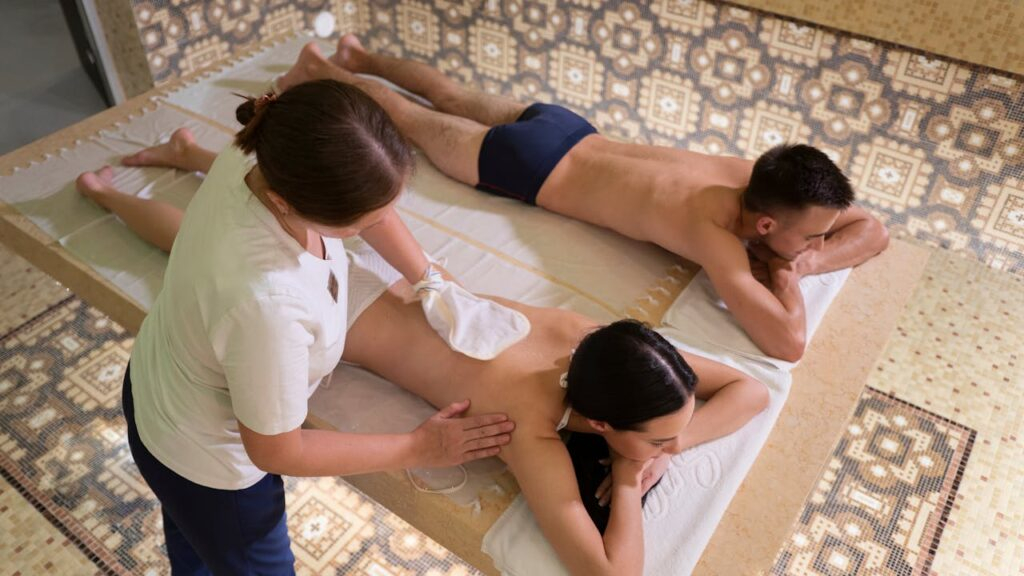
Most people struggle to find a professional name for a water massage treatment. The procedure has several common names, which include hydro massage, hydrotherapy, water therapy, aquatic massage, and underwater massage.
Watsu water massage has several specialized forms that exist as distinct techniques. Medical professionals and spa operators use the term hydro massage therapy because it combines massage techniques with the therapeutic effects of heated water pressure.
What Is a Hydro Massage
A hydro massage is a therapeutic massage that involves pressure of warm water to massage the body without direct contact of the human touch. It assists in relaxation of the muscles, increases blood flow, and removes stress. Hydro massage can be performed using special beds, chairs, tubs, or water jets that are comfortable, alleviate pain, and promote well-being.
What Does a Water Massage Do
The water massage is used to relax muscles, relieve stress, and enhance the circulation of blood by using warm water pressure and low-force jets. It can relieve body pain, decrease stiffness, and assist in quicker post exercise recovery. Water massage enhances relaxation, more sleep, and also the general sense of well-being, both physically and mentally.
How Does a Water Massage Work?
The mode of operation of water massage is through the use of heat, buoyancy, and pressure.
Warm Water Therapy
Warm water is also helpful to loosen tense muscles and loosen up the nervous system. It helps to loosen up and makes the body feel lighter and more flexible.
Water Jet Pressure
The powerful water jets produce pressure on certain parts of the body, such as the back, shoulders, legs, and neck. This pressure is similar to deep tissue massage and enhances circulation.
Reduced Body Weight
You feel lighter when in water. This will minimise load on the joints and ease movement, particularly for those who are injured or in pain.
These effects combine to form a powerful healing experience.
Types of Water Massage
Water massage has various types, all of which aim to deliver relaxation, pain relief, and better circulation. Some treatments utilize full-body hydrotherapy, and others concentrate on the specific parts, such as feet and legs. The following are the most prevalent water massages.
Whirlpool Massage
Whirlpool massage involves a tub of hot water and powerful rotation jets. The massages, stiffness, and blood circulation are enhanced by these jets, which provide pressure to the muscles. It is regularly applied in spas, rehabilitation facilities, and sports recovery facilities. Whirlpool massage particularly helps with back pain, sore muscles, and joint pain.
Dry Water Massage
Hydro massage bed therapy is also referred to as dry water massage. During this therapy, you lie fully clothed on a special massage table and jets of warm water flow under the surface.
Water is not in direct contact with your skin, yet the pressure gives you an effective and soothing massage. It can be found in gyms, fitness centers, and with physical therapists.
Mechanical Water Massage
Mechanical water massage is a combination of water pressure and machine-controlled systems of massage. It can contain special chairs or spa equipment or hydrotherapy equipment, which relies on programmed water jets to provide specific muscle relief. This type enables users to regulate the level of pressure and target such areas as the back, shoulders, or legs.
Water Massage vs Traditional Massage
| Feature | Water Massage | Traditional Massage |
| Uses water | Yes | No |
| Direct touch | Minimal or none | Full hands-on contact |
| Muscle pressure | Water jets | Hands and tools |
| Best for | Relaxation and therapy | Deep muscle work |
| Clothing | Sometimes fully clothed | Usually partial undressing |
Who Should Try Water Massage?
Water massage serves as an effective treatment method for office workers who experience back pain, for athletes who need to recover after their exercise sessions, for elderly people who have joint stiffness, and for individuals who want to manage their stress and anxiety.
The treatment proves beneficial to people who experience ongoing muscle pain and to patients who undergo physical therapy. The treatment provides advantages to anyone who wants to experience gentle wellness therapy.
Who Should Avoid Water Massage?
People should consult their doctor before using water massage because it is safe for most individuals. People who have severe heart disease, open wounds or skin infections, high fever, serious circulation problems, pregnancy complications, or uncontrolled high blood pressure should seek medical advice before starting treatment. Safety should always come first.
What to Expect During a Water Massage Session
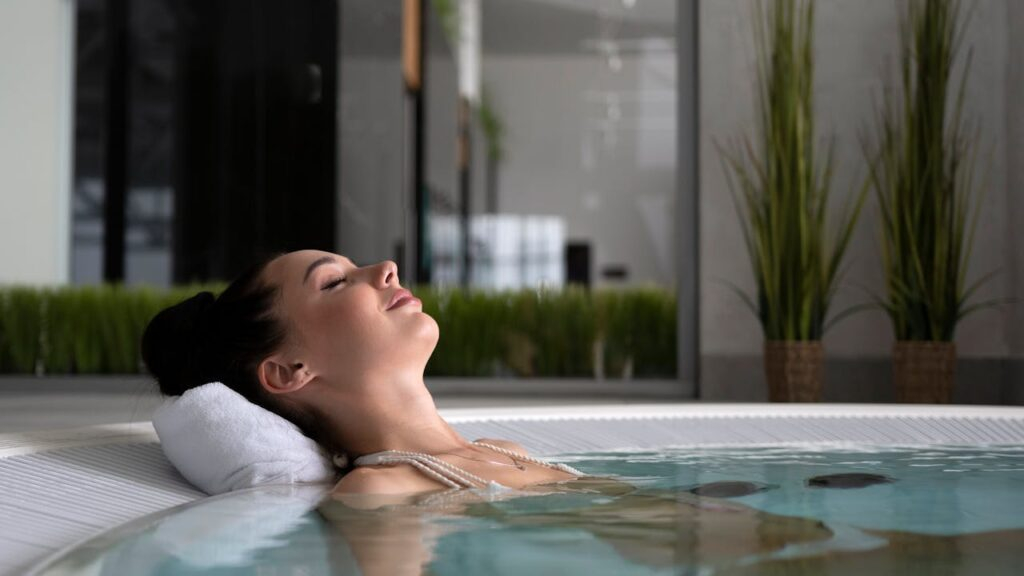
The therapist or machine arrangement varies according to the kind of treatment selected during a water massage session. Some lie on a hydro massage bed, and others just lie in a warm tub or a therapy pool.
The sessions take about 15 to 45 minutes. The majority of individuals are calmed, lightened, and feel refreshed after this. It is usually advisable to consume water after the session.
Side Effects and Precautions
Water massage can be used safely by a majority of people; however, several precautions are to be remembered:
- Use of high water pressure should be avoided if you have sensitive skin.
- Should not be used in case of open wounds or infections.
- Do not spend too long on a session to prevent dizziness or dehydration.
- Seek medical advice in case of any chronic illnesses.
Why Water Massage Is Becoming Popular
Water massage is becoming popular due to a simple, yet effective combination of technology and therapy. The stress, poor posture, and muscle fatigue that may be caused by modern lifestyles can be solved quickly by using water massage.
It is also popular in:
- Luxury spas
- Wellness resorts
- Rehabilitation centers
- Fitness recovery programs
Its ease of use and the relaxing nature are what make it attractive to both the young and the old.
How Often Should You Get a Water Massage?
The sessions vary with individual objectives. One or two sessions a week may be sufficient to relax in general. To treat the pain or for physical therapy, more frequent sessions can be prescribed. Hydro massage can be used by athletes after vigorous exercise to ensure quicker recovery. Usually, regular sessions have more long-term outcomes.
Is Water Massage Safe?
Yes, water massage can usually be safe, provided that it is performed properly by trained professionals or using certified equipment. Consideration should be made to clean facilities, correct water temperature, ensure safe pressure settings, and provide professional supervision where necessary. When starting treatment, people with medical conditions should always request a healthcare provider.
Cost of Water Massage
Water massage varies in price depending on the treatment area and the type of treatment. Hydro massage beds are typically cheaper and have short sessions.
Therapeutic hydrotherapy treatments can be more expensive due to medical supervision, whereas taking a spa water massage might be more expensive. Gyms or clinics are relatively cheaper than luxury spa services.
Conclusion
Water massage serves as a secure and effective treatment approach that uses water pressure to achieve muscle relaxation, enhanced blood flow, and stress relief. The treatment method helps people physically recover while also supporting their mental health, which explains its popularity in spas and clinics that offer natural healing and deep relaxation.