
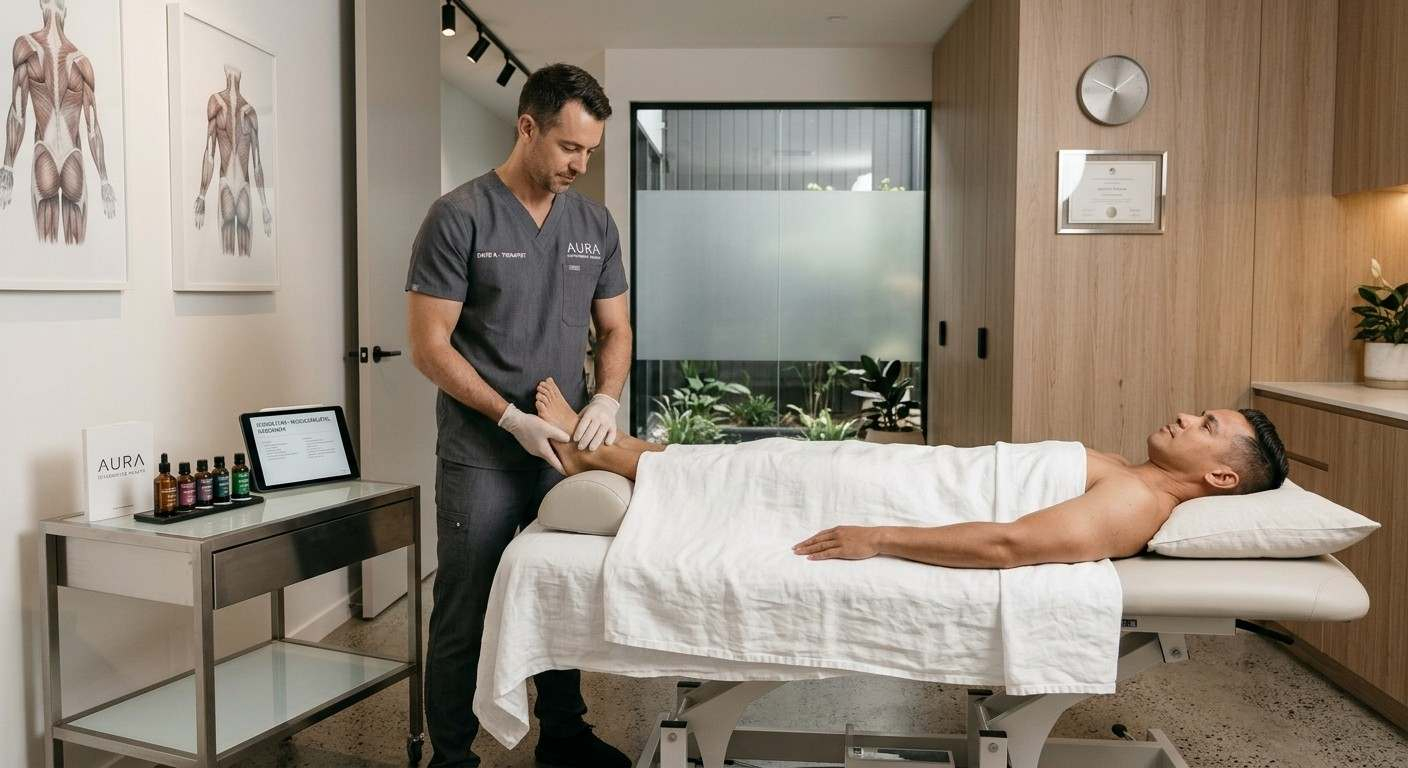
Discover what tantric massage is, including its techniques, 7 potential benefits, session expectations, safety tips, and how to choose a qualified practitioner.
Tantric massage is a form of mindful massage that has been inspired by the concept of Tantra, a set of spiritual traditions that evolved in South Asia. It emphasizes relaxation, breathing techniques, body awareness, and the link between physical sensations and one’s emotions. In different practices, a session of this type can involve massage, breathing exercises, meditation, and mindful touch.
What Is Tantric Massage?
Tantric massage is a meditative type of bodywork that relies on touch, breathwork, and mindfulness to induce relaxation, body awareness, and emotional intimacy. Tantric massage therapists employ concepts derived from Tantra, a collection of spiritual philosophies originating in India. The practice concentrates on being present and sensing, rather than any particular technique or goal.
The term is open to various definitions. Some massage therapists practice a non-sexualized, full-body massage. Others incorporate intimate touch into their educational or therapeutic massage practice. Many organizations often use the term to market sexual services, which constitutes a completely different and even illegal enterprise. Being aware of the difference is key for your protection.
Where Does Tantric Massage Come From?
The Roots in Tantra
Tantra involves a large collection of Hindu-Buddhist writings and techniques that evolved in India over several centuries. Traditional tantra practices include meditation, rituals, breathing exercises, and philosophies. In traditional tantra, the body is viewed as the way to enlightenment and not a barrier.
How the West Reshaped the Practice
The modern-day practice of tantric massage is an innovation created during the 20th century in the Western world. Various trainers have merged concepts from traditional tantra with wellness, sexuality, breathing exercises, and bodywork starting in the 1960s. The historical facts about tantra will help you distinguish between marketing and the history of tantra.
How Does Tantric Massage Work?
The session requires you to be present and aware of your sensations. It involves long strokes, light touch, and moments of pause. Deep breathing is involved, but rather than trying to achieve something, you pay attention to your sensations. There are three things involved in most sessions:
- Touch: Slow and deliberate strokes, often using warmed oil.
- Breathing: Deep and rhythmic breathing that relaxes the nervous system.
- Awareness: Being present and aware of sensations, emotions, and boundaries.
This process might trigger the parasympathetic nervous system, which is responsible for “rest and digest.” Research shows that massage in general has an effect on this nervous system.
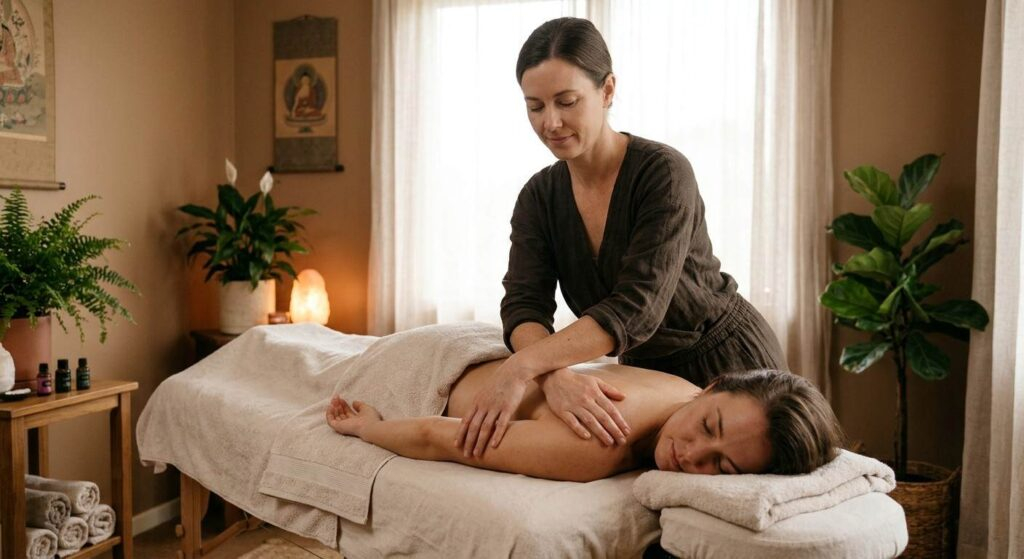
What Happens During a Tantric Massage Session?
Each session may be different, but a typical ethical session would be performed in the following order.
1. Consultation and consent
First, the practitioner will ask questions related to your health, goals, past injuries, and your comfort zone. You will express your boundaries, which can be changed or removed during the session at any point.
2. Setting the space
The treatment room should be warm, quiet, and private. Soft lights, music, and clean towels are common elements of the room. Natural massage oil is commonly used in most massages.
3. Breathing and grounding
A practitioner leads some time of deep breaths or meditation before applying touch.
4. Full-body massage
The strokes will flow slowly over the back, arms, legs, feet, neck, and head. The massage therapist uses slow strokes, pressure, and breaks. This depends on the arrangement you’ve made.
5. Closing and feedback
Finally, there will be some quiet rest followed by a short check-in session where you may discuss your experience and ask questions. Sessions may last from 60 minutes up to 2 hours. Rates vary from country to country and also therapist to therapist.
Tantric Massage vs. Other Massage Types
| Feature | Tantric Massage | Swedish Massage | Sensual Massage |
| Main goal | Awareness, connection, relaxation | Muscle relief, relaxation | Sensory pleasure, intimacy |
| Pace | Very slow | Moderate | Slow to moderate |
| Breath work | Central | Rare | Occasional |
| Licensing | No standard | Often licensed | No standard |
| Spiritual framing | Common | None | Rare |
Tantric Massage vs. Sexual Services
This is the most critical issue of safety in this entire article. Tantric massage does not mean sex work. Many ads use “tantric” to mean sexual services, which are illegal and unsafe in some countries. Pick a therapist who:
- Provides information about his education and session description.
- Clarifies the limits and consent before the massage starts.
- Has a professional environment to work in.
- Will avoid all illegal activities in your city.
Check the laws where you live before you book. Rules vary widely.
Common Tantric Massage Techniques
Tantric massage involves slow and deliberate techniques. The practitioners use long, flowing strokes to the spine and limbs, and also coordinate their movements with your breathing. Soft feather touches make you become aware of your skin, and soft pressure and release reduce any tightness. You can include eye contact or meditation to increase intimacy.
7 Benefits of Tantric Massage Therapy
Benefit 1: Tantra Massage for Healing
Tantric massage involves mindful touching, breathing, and relaxation techniques. These activities can improve your health, but they shouldn’t replace medical treatment for injuries or mental issues.
Benefit 2: Blockages Are Eliminated
Tantric massage can assist individuals in recognizing bodily tension and emotional distress through mindful practice. There is no scientific proof to back up claims that the massage removes invisible energy blocks and cures the condition.
Benefit 3: Sexual Dysfunctions Are Alleviated
Tantric massages can help individuals become aware of their bodies and talk openly about their intimate lives. However, Tantric massage cannot be relied on as a cure for sexual problems.
Benefit 4: Realizing Your Full Orgasmic Potential
The use of tantric practices could promote awareness of bodily sensations, breathing, and personal preferences. Nevertheless, the application of tantric massage does not guarantee that a person will have an orgasm or solve issues related to orgasms, which would need assistance from a professional in health care.
Benefit 5: Loving Your Body
A respectful approach may help some individuals become more self-accepting. Respectful approaches lead to comfortable, personally set boundaries, and better connection with one’s own physical sensations.
Benefit 6: Reaching Fulfillment
Tantric massage may create space for relaxation, mind awareness, and personal reflection. It may be significant for some individuals, but emotional satisfaction will be different depending on personal requirements, expectations, and situations.
Benefit 7: Awakening the Spirit
There are some tantric massage therapists who practice meditation, breathing techniques, and contemplation. It may promote self-awareness and mind contemplation, although experiences differ from one individual to another.
Red flags to avoid
- The advertisement implies that sexual activities will occur.
- No discussion or consultation is taking place.
- The service provider does not give any explanation about what is going to happen.
- The price is vague or changes during the session.
- The service provider is trying to push you into doing things that are out of your comfort zone.
- The establishment does not have any address or license.
Leave as soon as you can without explaining anything to anyone.
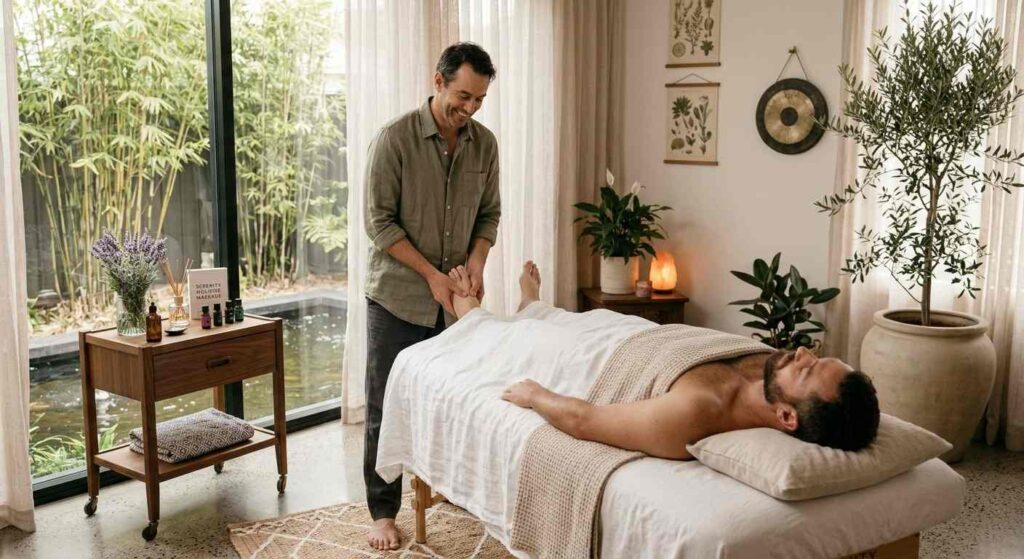
How to Learn and Experience Real Tantra Massage?
Step 1: Learn About True Tantra and Tantra Massage
Compare traditional Tantric practices and contemporary tantric massage in order to identify the differences. Research educational sources about traditional practices, meditation, and contemporary wellness practices before making your selection.
Step 2: Do Your Research and Due Diligence
Consider all aspects of the practitioners, the description of the services provided, cost, and reviews prior to making a reservation. Ensure that you check the requirements for sessions, cancellation policy, consent, and claims made to make an informed and relaxed choice.
Step 3: Verify Credentials and Experience
Discuss with practitioners any relevant training, experience, and required licenses by law. Check their qualification whenever possible and hire a person who can teach you clearly and respect your boundaries.
Step 4: Attend Various Courses
Look for training that deals with the history of Tantra, mindfulness, breathing exercises, and body awareness. Assess their experience, curriculum, and pricing before joining a relevant educational program.
What Tantric Massage Is vs. Isn’t
Not Conventional Massage
Traditional massage usually involves relieving muscle tension and physical relaxation, while tantric massage involves mindfulness and breathing techniques. The techniques used may be different; therefore, it is important to know the practitioner’s philosophy.
Not Prostitution
Tantric massage does not necessarily have anything to do with sex. The providers have different philosophies; therefore, it is necessary to make sure about the session’s nature in advance and consult the local law.
Partner vs. Professional
Partner Tantric Massage is based on communication, mindfulness, and connection. Professional sessions involve following the approach of the therapist. Both need to have set boundaries, respect for each other, and consent.
Common Myths About Tantric Massage
- Myth: Tantra means sex: Tantra encompasses various religious beliefs, and sexuality is just one element in the modern practice of tantra, not the whole religion.
- Myth: It heals medical problems: While Tantric massages may cause you to relax, there is no scientific proof that Tantric massages diagnose and treat illnesses.
- Myth: All tantric massage is the same: Techniques, philosophies, professional standards, and session experiences vary significantly between practitioners and wellness providers.
- Myth: You must be undressed: Clothing needs will be based on the session, practitioner, and your comfort. It is always advisable to talk about clothing and boundaries in advance.
FAQs
What Is the Main Purpose of Tantric Massage?
The primary aim is to help you relax, be more mindful, and be aware of the physical sensations through mindful touch and breathing. There are some therapists who use spiritual techniques as well.
How Long Does a Tantric Massage Last?
The length of a session depends on different providers. There are sessions that last about 60 minutes, and there are those that can last up to 90 minutes or more.
Does Tantric Massage Involve Meditation?
Yes, it can. Some practitioners practice meditation, breathing exercises, or silent contemplation, and some do not practice anything but mindful massage.
Is Tantric Massage the Same as Erotic Massage?
No. Tantric massage can be a nonsexual and mindful type of massage, even though nowadays there are some providers that offer this service with an erotic component. Ask the therapist to clarify what exactly this treatment will involve.
Can Tantric Massage Reduce Stress?
This may prove helpful to some as a method of relaxing, especially if the procedure involves some touching and breathing comfortably. But studies on tantric massage have not been done extensively, hence the lack of guaranteed results.
Do I Need Experience With Tantra?
No previous experience is usually required for a relaxation session. A practitioner will tell you what the process entails and allow you to ask any questions you may have before starting the procedure.
What Should I Wear to a Tantric Massage?
Clothing needs will depend on the individual and the particular session being undertaken. Ask ahead of time about any clothing needs, towels, draping, and also boundaries. One should never be coerced into removing clothing against their will.
How Can I Find a Reputable Tantric Massage Practitioner?
Seek clear service explanations, verifiable credentials if relevant, clear price structures, and consent policies. Analyze reviews and stay away from those making any guarantees on medical or emotional healing.
Conclusion
Tantric massage can be defined as an aware form of body work that combines massage, breathing techniques, meditation, and body awareness. Many people practice it to achieve relaxation, to develop their sense of self-awareness, or as a way to have a more aware massage experience. There is no set approach to it, and the name does not mean anything specific. Before scheduling a tantric massage, learn about what the provider does, have a discussion of boundaries, and be sure you are comfortable with all arrangements. Find a professional who will respect your consent and will be honest about the service he/she provides.