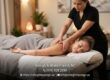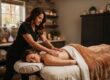
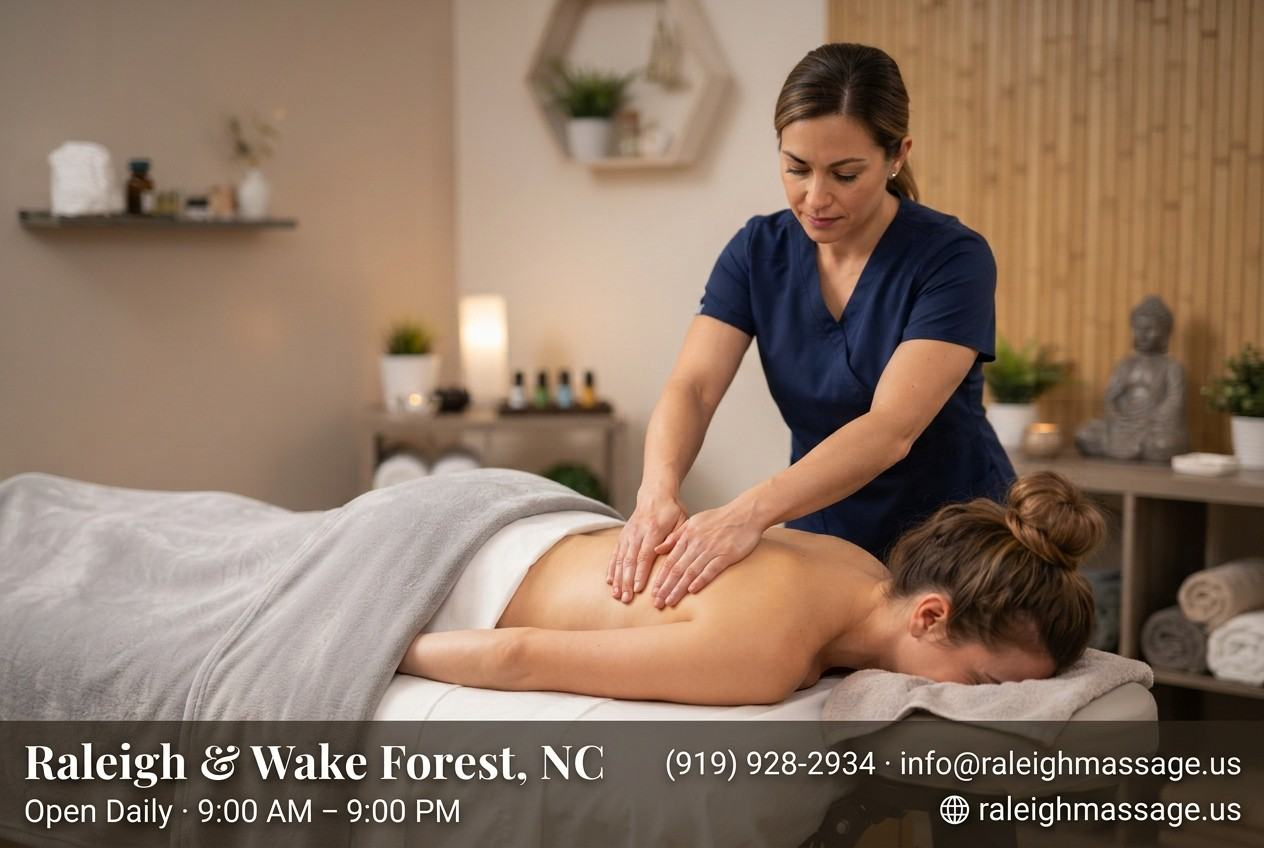
Learn how to massage back muscles with simple techniques, helpful tips, and benefits for relaxation, muscle tension relief, and overall wellness.
A back massage uses hands-on techniques such as pressure, rubbing, kneading, and smooth strokes to relax the back muscles and other soft tissues. It typically targets the upper, middle, and lower back, along with the shoulder muscles. People choose back massage to ease muscle tension, reduce stress, encourage relaxation, and improve their overall well-being.
What You Need Before You Start
- A smooth, firm surface. The massage table is ideal. You can also use a foam mat on the floor.
- A sheet or a big towel to cover the surface and the body of the person.
- Massage oil, cream, or lotion. Oil ensures that your hands slide smoothly without tugging at the skin. Go for one that is free from fragrance and allergens.
- A small cushion or folded towel to place underneath the ankles or chest.
- A towel for cleaning hands and wiping the back of the person.
How to Massage Back
Setting Up for a Back Massage
A calm arrangement facilitates relaxation of the muscles before you put your hands on the skin. Prepare for five minutes.
1. Choose a comfortable location
Choose a tranquil environment that is spacious enough to work on the person’s body. A spare bedroom or an open corner of your living room will do. Stay away from noisy environments and disruptions. Ensure that you can access all parts of the body without any stretching or bending.
2. Place a soft mat down
If you do not have a massage table, arrange a thick yoga mat, foam, or folded blanket on the floor. This surface must be able to provide support to the body and protect the hips, ribs, and knees. Avoid a very soft mattress because it absorbs your pressure and decreases the effectiveness of the massage.
3. Spread a sheet over the table or mat
Arrange the clean sheet on the surface. The sheet provides hygiene, protects your mat from oil, and provides a comfortable spot for the person.
4. Prepare the room
Adjust the room temperature to be warm and comfortable. A low temperature causes muscle contraction. Dim the lights, turn off the TV, and mute the phones. Slow and soft music should be played if preferred by the patient.
5. Have the person undress to his or her comfort level
Comfort is of primary importance. Leave the room while the patient strips. The patient may keep his undergarments on, put on shorts, or take off his clothes from the waist upwards. As oil leaves a stain, recommend something that you do not mind being stained.
6. Have the person lie face down
Tell the patient to lie prone with his arms either along the body or bent close to the head. The head can turn sideways or be placed in a headrest. Put a little pillow under the feet to relieve the pressure on the lower back. If lying prone causes discomfort, use pillows under the hips or chest.
7. Expose the person’s back
Cover the patient with the blanket so that the back alone remains exposed. Roll the sheet down to just above the hips. Keeping the patient covered makes him feel comfortable and also maintains privacy.
Giving a Back Massage
Move slowly. Slow and smooth moves work well rather than quick and rough ones.
1. Tell the person you are about to begin
Speak softly before touching the skin. An abrupt contact will cause the body to flinch and contract. Say, “I’m going to begin now. Let me know if the pressure is too light or too intense.” Inquire about any wounds, painful areas, or places not to massage.
2. Pour massage oil in the palm of your hand
Use a dime-sized portion of oil to begin. Warm the oil by rubbing your hands, because cold oil will make the recipient nervous. You may apply additional oil later. Excessive oil will cause slipping and decrease the control of your movements.
3. Spread the oil around
Put both hands flat on the lower back, one on each side of the spine. Move your palms from the lower back up to the shoulders, then out over the shoulders and down the sides of the rib cage. This is an effleurage stroke and should be done four to six times. It will help distribute the oil, warm the tissue, and give you an idea of where the muscles need work.
4. Use Petrissage Techniques
Petrissage is a massage therapy that kneads and compresses soft tissues. The following are the key steps in executing this move:
- Place your hands or fingers on the muscles near the shoulder.
- Knead the muscles softly with controlled movements.
- Do this slowly, moving upward from the upper to the middle back.
- Press with comfortable pressure, but not hard enough to pinch the skin.
- Do these actions on both sides.
The use of petrissage will result in muscle relaxation and an enjoyable massage process. Forceful kneading should be avoided, especially when there is an injury to the body part.
5. Apply percussive strokes
Tapping strokes, which are called tapotement, stimulate tired muscles. Do not tighten your wrist and do it carefully.
- Hacking: Place the edges of your hand and alternate chopping quickly.
- Cupping: Make your hands into cups and alternate tapping.
- Tapping: Tap the body with the fingertips rapidly.
Do not use percussive strokes on the lower part of the ribs, kidneys, and spine. Use them only on thick muscles located around the shoulder area. You should stop immediately if there is an expression of pain.
6. Use muscle-lifting techniques
Pinch a piece of the muscle tissue in the shoulder area with both hands. Lift and hold it, and slowly let go of it. Start from the shoulder and move downward gradually. This procedure relaxes the tissues and increases blood circulation.
7. Use a fanning technique
Place both your hands on the center of the back with fingers facing outwards. Move your hands in an arc shape on the back like that of a fan. The pressure should be light, and this process should be repeated a number of times. This helps in smoothing the muscles after heavy massage.
8. Apply twists
Place your hands on either side of the waist of the person with fingers in opposite directions. Push one hand forward while pulling the other back, thus creating a twisting effect. Move up and down the trunk. Do not try to forcefully twist and stop in case there is any pinching sensation.
A Simple 20-Minute Back Massage Routine
| Time | Technique | Focus Area |
| 0–2 min | Effleurage | Whole back |
| 2–7 min | Petrissage (kneading) | Lower and mid-back |
| 7–11 min | Thumb circles, finger kneading | Shoulder blades, upper back |
| 11–13 min | Muscle lifts | Shoulders and sides |
| 13–15 min | Percussive strokes | Upper back, shoulders |
| 15–17 min | Fanning and gentle twists | Whole back |
| 17–20 min | Slow effleurage to finish | Whole back |
Apply several long, deliberate strokes. Place your hands on the client’s back for a moment or two before releasing the area.
How Much Pressure Should You Use?
- Light pressure heats the skin and relaxes the nervous system. Apply it for opening and closing.
- Medium pressure is perfect for kneading and lifting. The client should feel the muscles move but should not experience any discomfort.
- Firm pressure is used when working with deep knots. It is applied only to dense muscles and built gradually.
Deep and enjoyable pressure is acceptable. Piercing, burning, or electric-like pain is not. Have the client grade the pressure from 1 to 10 and start with 5 or 6. Check in periodically. If shoulders go up, the jaw tightens, or breathing becomes labored, decrease pressure.
Benefits of a Relaxing Back Massage
The relaxing back massage can have numerous advantages, both physical and psychological, depending on the particular type of massage, the health status of a person, and the purpose for which he or she is treated.
1. Stress Relief
Relaxation occurs due to the use of gentle touch and movements during the procedure. Massage can be helpful in reducing the feeling of stress and in achieving calmness after work.
2. Muscle Tension Relief
Long periods of sitting, repeating certain actions, and physical exercises can result in muscle tension. Massage may be helpful in relaxing the muscles of the shoulders and back.
3. Improved Local Circulation
Massage involves pressing and moving soft body tissues. These actions can have a temporary impact on the flow of blood within the area and thus induce relaxation in the muscles.
4. Temporary Pain Relief
There are cases of temporary relief of minor muscular pain and back pain following massage. There is also research showing benefits of massage to some patients with back pain, yet the evidence is of varying quality. Massage therapy needs to be combined with proper healthcare if the pain is consistent or inexplicable.
5. Enhanced Well-Being
Massage therapy can offer a moment of relaxation and an opportunity for self-care. Most people find that a soothing massage contributes to their state of comfort.
6. Better Sleep
Relaxation can prepare some individuals for sleeping. Massaging the back before sleep can become a relaxing ritual for some people.
7. Support for Overall Wellness
Back massage can become a part of a wider practice of health improvement that also incorporates physical activities, sufficient sleep, good nutrition, and healthcare services. However, there is insufficient evidence proving that back massage improves immunity.
Different Types of Back Massage Techniques
There are various forms of massage that utilize various kinds of movements and pressures. An awareness of the types of massages available makes the selection process easy as per one’s preferences and health requirements.
Swedish Massage
Swedish massage involves smooth long strokes, kneading, and tapping. This type of massage is preferred by many as it allows relaxation and reduction of muscle tension experienced from time to time.
Deep Tissue Massage
Deep tissue massage involves slow and concentrated pressure that targets the deep muscle tissues. This technique is usually preferred by individuals who have stiff muscles. It is important to get the right training before using this massage therapy, as it is not for everybody.
Hot Stone Massage
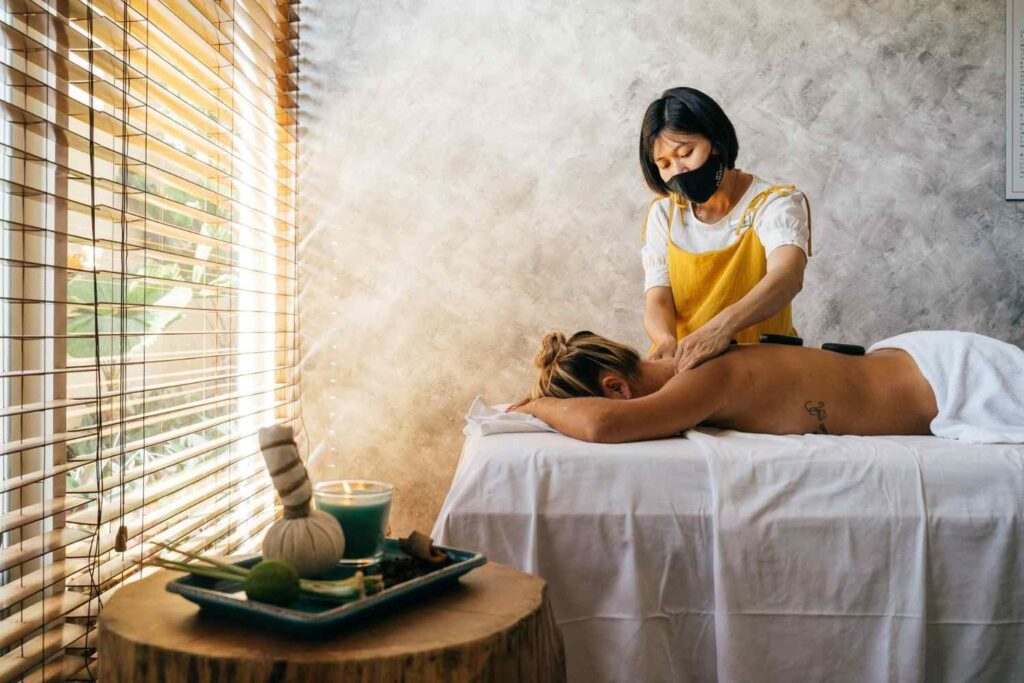
The hot stone massage makes use of specially heated stones for the purpose of giving a warm and relaxing effect. The professional will regulate the temperature and placement in order to minimize the chances of getting burns.
Sports Massage
In sports massage, therapists address muscles that experience strain during physical activities. Therapists choose different methods based on the client’s training program, muscle condition, and recovery needs.
Customized Massage
The customized massage utilizes the proper techniques depending on the desires and requirements of the client. The therapist may vary the pressure, area of treatment, and session time.
Professional Back Massage in Raleigh, NC
A back massage, either performed on your own or on someone else, can definitely help relax those tight muscles that you get in your daily routine. If you want to get more customized care, professional massages will definitely help more. If you want to experience professional massage therapy in Raleigh, North Carolina, then Raleigh Massage is the right place for you.
Raleigh Massage serves Raleigh and Wake Forest, with locations at 804 Salem Woods Dr STE 204A, Raleigh, NC 27615, and 1890 S Main St STE 100, Wake Forest, NC 27587. You can explore its services and booking options on the official Raleigh Massage website.
Conclusion
Back muscle massage is something that can be learned and helps one release everyday stress, relax, and be generally healthier. Gentle strokes, proper pressure, and massage technique should be used to make the process comfortable for a person. Remember personal comfort and safety during the massage process. If special care is needed, then one should consider visiting massage service centers such as Raleigh Massage in North Carolina (Raleigh and Wake Forest).