Discover Thai massage, an ancient healing therapy using stretching, acupressure, and energy work to boost flexibility, reduce stress, and improve wellness.
Introduction to Thai Massage
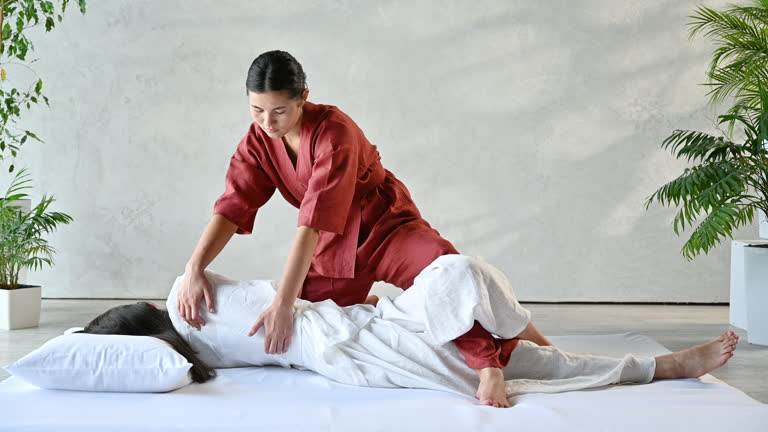
Thai massage stands as one of the oldest healing practices in the world because it combines three different therapeutic techniques, which are assisted stretching, acupressure, and energy work. The treatment uses a mat system, which requires patients to wear their complete clothing instead of using oil-based massage techniques that create relaxation effects.
What is Thai Massage?
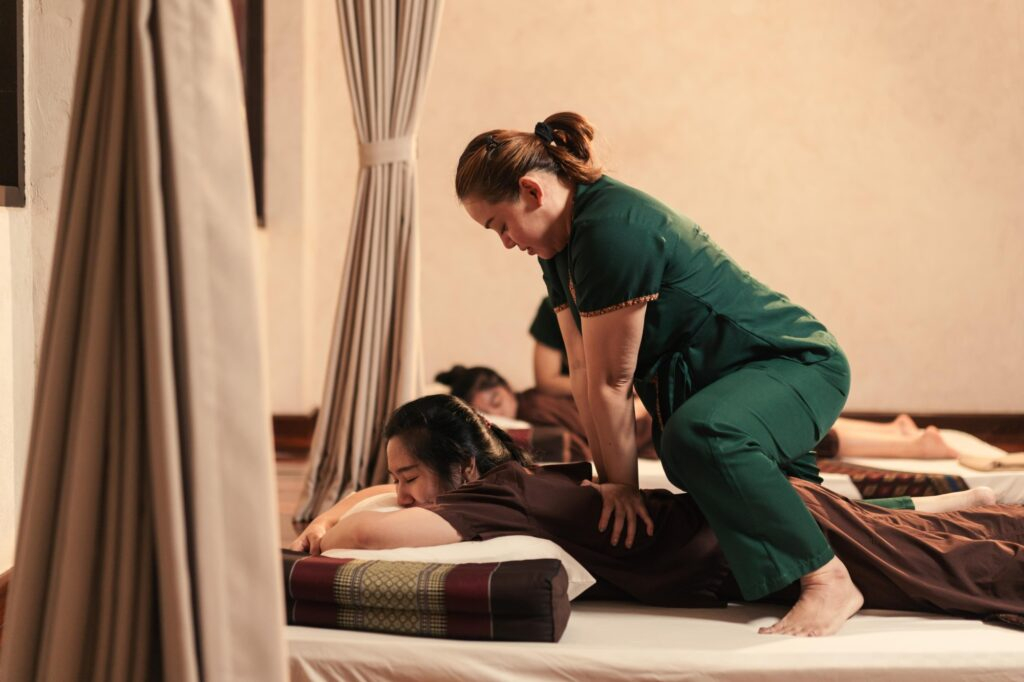
Thai massage is a traditional healing therapy from Thailand that combines acupressure, stretching, and yoga-like movements. The treatment takes place on a mat while the patient maintains their full clothing, and the therapist refrains from using oils.
The therapist uses hands, elbows, knees, and feet to apply pressure and guide the body. The treatment provides benefits through improved flexibility and stress reduction, and relief of muscle tension, which leads to enhanced physical and mental health.
History of Thai Massage
Thai massage has its origins in ancient Ayurvedic medical practices and traditional Chinese medicine. The history of Thai massage dates back to the times of Shivago Komarpaj, a physician who lived during the Buddha’s lifetime some 2,500 years ago.
With the passage of time, this art evolved to become a fundamental aspect of healthcare in Thailand. The temples were instrumental in conserving the knowledge of Thai massage. One such temple was the Wat Pho Temple in Bangkok. In modern times, the practice of Thai massage has spread globally.
Types of Thai massages
1. Thai Massage on Table
Thai massage on a table is a modified version of traditional Thai massage. The treatment provides three services, which include stretching, pressure work, and relaxation while the client lies comfortably on a massage table.
2. Foot Thai Massage
Foot Thai massage focuses on the feet, lower legs, and pressure points. The treatment helps to improve circulation while decreasing foot pain, relieving stress, and maintaining body equilibrium.
3. Thai Relaxation Massage
Thai relaxation massage is a gentler version designed for stress relief and comfort. The treatment uses soft pressure, light stretching, and calming movements to achieve deep relaxation.
4. Traditional Thai Massage
Traditional Thai massage is the original full-body therapy performed on a floor mat. The practice uses stretching, acupressure, and energy line work to enhance health and flexibility.
Thai Massage Benefits for the Body and Mind
The following list shows how Thai massage benefits both physical health and mental well-being.
Improved Flexibility and Range of Motion
Thai massage uses guided stretching techniques that help loosen tight muscles and joints. The technique results in improved flexibility, which enables better movement and helps people perform their daily activities more effectively.
Reduced Muscle Tension and Stiffness
The pressure from Thai massage treatment enables muscles to release tension while helping practitioners attain better relaxation. The treatment provides relief from stiffness, which affects the neck, shoulder, back, and leg muscles.
Relief from Chronic Pain and Tightness
Thai massage is useful for managing chronic pains related to bad posture, muscle stiffness, or stress. This type of massage promotes muscle relaxation and facilitates effective pain management naturally.
Better Posture and Joint Mobility
Posture improvement is possible due to stretching and realigning muscles in the body. As a result, joints receive more flexibility and become more mobile throughout the day.
Enhanced Circulation and Energy Flow
This kind of massage increases blood circulation and ensures sufficient oxygenation of the whole organism. It works to balance energy in the body along special energy lines called Sen lines.
Reduced Stress and Mental Fatigue
The calming effects of Thai massage help to relax both the mind and body. The treatment decreases stress levels while it enhances mental clarity and eliminates fatigue that results from everyday stress.
Thai Massage Techniques
Passive Yoga Stretches
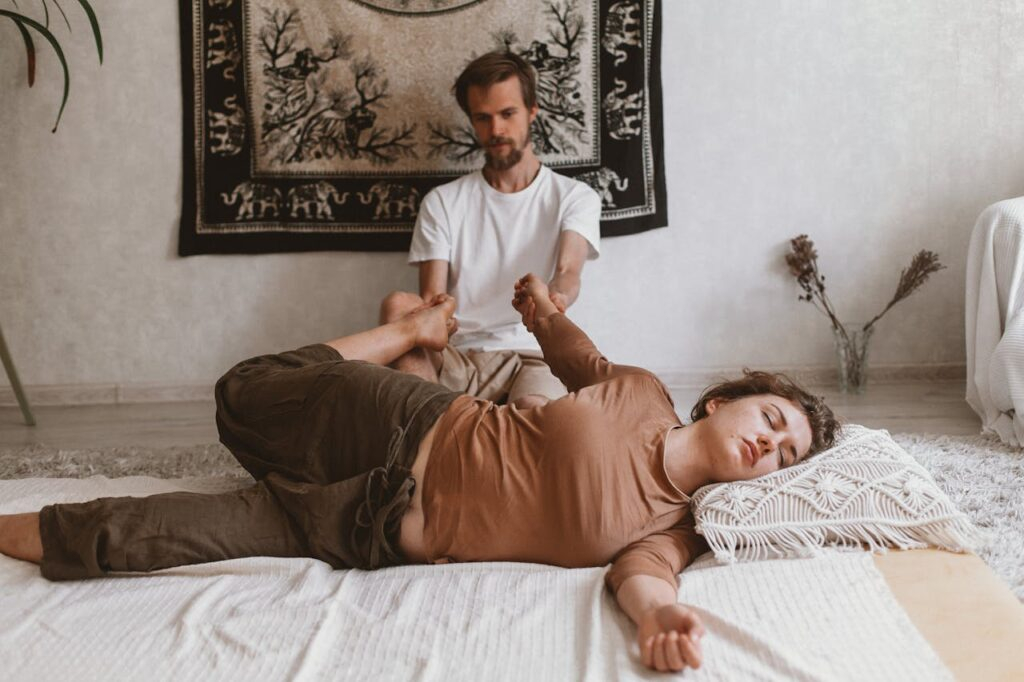
In Thai massage, stretches resembling those used in yoga are done with the help of the therapist. The therapist gently manipulates your body to increase flexibility, decrease stiffness, and reduce tension.
Acupressure on Energy Points
Therapists exert firm pressure through specific energy points located in the body using thumbs, hands, or elbows to release blocked energy, relieve pain, and correct body alignment.
Rhythmic Rocking
Gentle rocking can help to relax muscles and nerves, making one comfortable and reducing stress. The massage will create a calming sensation throughout the session.
Deep Tissue Pressure
A deep-pressure technique is applied to deeper muscle layers by the therapist. It can help relieve chronic pain, stiffness, and soreness in muscles.
Breath Coordination
Breathing techniques are commonly followed during Thai massage when the body stretches, and pressure is applied to muscles. Correct breathing coordination enhances relaxation and body awareness.
What Happens During a Thai Massage Session
A common Thai massage will take from 60 to 120 minutes. You wear loose clothing during the session. The massage can be done either lying down on the floor or sitting on a chair.
In the process of Thai massage:
- Clients are placed in various positions
- Therapists stretch clients’ limbs, back, and necks
- Pressure is applied to muscles and energy meridians
- Rocking and compressions may be used
- Deep breathing and relaxation techniques may be recommended
Thai massage can provide a refreshing yet soothing effect.
Thai Massage vs Other Massage Types
| Feature | Thai Massage | Swedish Massage | Deep Tissue Massage |
| Uses Oil | No | Yes | Usually yes |
| Clothing | Fully clothed | Undressed (covered) | Undressed (covered) |
| Stretching | Extensive | Minimal | Minimal |
| Pressure Style | Rhythmic and dynamic | Gentle and flowing | Slow and deep |
| Best For | Flexibility and energy | Relaxation | Chronic muscle pain |
Why is Thai Massage Unique?
Thai massage stands out because it involves a combination of stretching, pressure point therapy, and manipulation of energy lines without the use of oils or any form of rubbing. This kind of massage involves active participation from the participant through movement and yoga-like postures, making it invigorating and stimulating.
Who Can Benefit from Thai Massage
Office employees, athletes, and individuals who have flexibility issues and posture problems can benefit from Thai massage. People who experience stress and exhaustion, and muscular tightness, will find relief through this treatment. The practice of regular sessions leads to natural relaxation, mobility improvement, pain relief, and complete physical and mental wellness.
Who Should Avoid Thai Massage
People use Thai massage today because it provides relaxation benefits and supports their wellness needs, and helps them recover from injuries. People use it to recover from sports injuries, office workers use it to improve their posture, and people use it to relieve their stress.
Thai Massage for Modern Wellness
Today, Thai massage is not only popular for relaxation purposes but is also used for wellness and rehabilitation. It is often taken by athletes for recovery purposes, by employees for correcting their postures, and even as an alternative for stress management
Common Myths About Thai Massage
A lot of people have misconceptions about Thai massage; some think it’s a form of torture, while others believe it is only for athletes or done in the nude. Thai massage is not painful, but instead involves relaxing the body through stretching and breathing techniques.
Does Thai Massage Remove Knots?
Yes, Thai massage will relieve muscle knots through pressure and stretches. By improving blood circulation and releasing tension in the body, the muscles will have the ability to relax.
Conclusion
Thai massage combines stretching techniques with acupressure methods and energy work to create a treatment that improves both physical and mental health. The treatment naturally enhances flexibility while it decreases stress and provides pain relief. The treatment creates lasting health benefits that improve posture and maintain energy balance throughout the body.