Discover prenatal massage benefits, techniques, costs, and safety tips to relieve pregnancy discomfort and support relaxation with expert care.
Prenatal massage therapy is a special type of massage therapy that focuses on pregnant women. Prenatal massage therapy incorporates pregnancy-safe techniques, light pressure, and comfortable positions to treat pain commonly associated with pregnancy. Prenatal massage therapy sessions are personalized by an experienced prenatal massage therapist based on the mother’s pregnancy progress and medical condition.
What Is a Prenatal Massage?
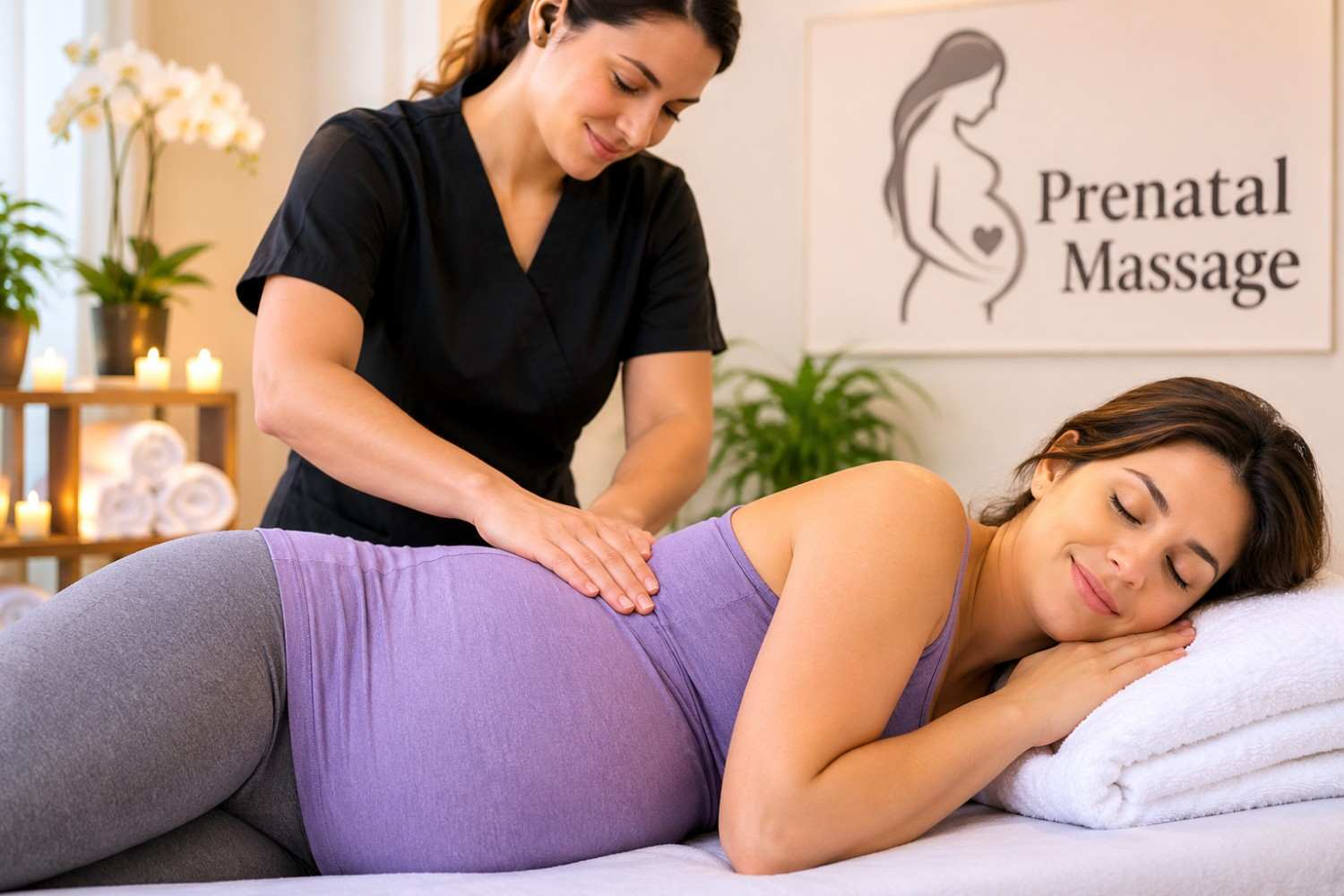
Prenatal Massage is one type of massage treatment done specifically for pregnant women. A professional massages the pregnant body by altering pressure, position, and techniques to accommodate both mother and baby safely.
Prenatal massage sessions can be likened to general massage, save for some differences. The massage can be done while lying down on your side or in a semi-supine position. The therapist applies light pressure where necessary and avoids certain techniques that would not be appropriate in pregnancy.
Prenatal massage is mostly sought to relieve pain in the back, hips, swelling of the legs, stress, and insomnia. Many women prefer booking their appointments during the second trimester until delivery.
Benefits of Prenatal Massage
Prenatal massage research is on the rise, and the results seem to be promising when it comes to stress, pain, and mood improvement, but the effects differ depending on the individual.
1. Reduce Stress
Massage therapy reduces the level of the stress hormone cortisol and increases the production of positive hormones such as serotonin and dopamine. A relaxed brain is able to cope better with the emotional challenges that occur during pregnancy.
2. Ease Back and Leg Pain
The weight gain during pregnancy alters your center of gravity, causing tension in your lower back, hips, and glutes. Massage eases muscle tension and even sciatica-like leg pain and leg cramps.
3. Lower Depression and Anxiety
Some studies suggest that prenatal massage can reduce anxiety and depression symptoms. Massage cannot substitute for psychological care. In case you feel constantly depressed, anxious, or helpless, contact your healthcare provider.
4. Increase Your Immune Response
Reducing stress has positive effects on the functioning of the immune system. There is some scientific data proving the increased activity of immune cells during massage therapy; however, more studies specific to pregnancy are needed.
5. Promote Better Sleep
Pregnant women suffering from back pain, restless leg syndrome, or anxiety often experience sleep disorders. Massage helps to relieve tension in the body and fall asleep and stay asleep.
6. Improve Labor Outcomes
Some small studies have found that prenatal massage may reduce the length of labor and pain during delivery. There is not enough research yet, but a lot of pregnant women report feeling more relaxed before delivery.
How Prenatal Massage Helps Common Pregnancy Symptoms
1. Pain Relief
Massage works on the muscle groups that have an increased burden during pregnancy: the lumbar spine, hips, neck, and shoulders. The therapist uses massage to soften knotted muscles and alleviate joint stress, including stress on the pelvis.
2. Reduction of Swelling (Edema)
Water accumulates in the feet, ankles, and hands, particularly during the third trimester. The therapist performs light, upward strokes towards the heart in order to eliminate fluids and lessen the swelling.
The therapist uses soft pressure on the legs. Please contact your physician immediately if you experience sudden and excessive swelling, as this may be a sign of preeclampsia.
3. Improvement in Circulation
During pregnancy, the blood volume rises, and the enlarging uterus can limit the flow of blood back from the legs. Massage promotes blood and lymph circulation, which will ensure good tissue condition and relieve heaviness and cramps.
4. Reduction of Muscle Tension and Headaches
Poor posture and stress contribute to neck and shoulder tension that frequently results in a tension headache. Massage of the neck, scalp, and shoulders can alleviate tension and decrease the occurrence of headaches.

How Much Do Prenatal Massages Cost?
Price ranges depend on the location, duration of the massage, and experience of the therapist. In most American cities, a 60-minute prenatal massage session costs between $ 80 and $ 150, and 90 minutes would be more expensive. Extra services like aromatherapy or reflexology will be charged extra. Methods of minimizing the price include:
- Look for bundled prices for several visits.
- Find out whether your health savings account covers massage with a prescription from the doctor.
- Get referrals from your OB-GYN, as some insurance policies cover therapeutic massages under certain conditions.
For current Raleigh pricing and availability, visit Raleigh Massage or contact the team directly.
Prenatal Massage vs. Regular Massage
| Feature | Prenatal Massage | Regular Massage |
| Position | Side-lying or semi-reclined | Face-up or face-down |
| Pressure | Light to moderate | Light to deep |
| Therapist training | Prenatal certification preferred | General licensure |
| Focus | Pregnancy aches, swelling, stress | Full-body or targeted needs |
| Oils | Pregnancy-safe or unscented | Wide range |
Physical Benefits of Prenatal Massage for Expectant Mothers
Pregnancy impacts muscles, joints, circulation, and posture. A massage performed by a trained massage therapist for prenatal massage can provide relief to the right parts of the body by using the right techniques.
1. Pain Relief
The enlarged abdomen will alter the position of the center of gravity of the body. It may cause additional pressure on the lower back, hip joints, and muscles. The massage will assist in relaxing the muscles and alleviating any temporary pain. A therapist can concentrate on appropriate regions without using harmful pressure.
2. Reduction of Swelling (Edema)
Edema of the feet and ankles may happen due to the accumulation of fluids in the body because of the enlarged uterus. While a gentle massage can assist pregnant women, it is not a cure for the reasons behind the swelling of the feet and ankles.
Important: Any rapid swelling, particularly of the face and hands, or swelling with a severe headache, vision changes, or upper abdomen pain, needs to be assessed immediately. Swelling, heat, or pain in one leg is also an urgent concern since this could mean a blood clot. It is advised not to massage a possibly affected leg.
3. Improvement in Circulation
Soft massages can help relax the client and affect blood circulation in the local area. Nevertheless, massage during pregnancy cannot be regarded as a remedy for circulatory disorders or blood clots. The practitioner needs to refrain from applying strong pressure to the body.
4. Reduction of Muscle Tension and Headaches
Hormonal changes, stress, sleep disturbances, and postural changes may lead to muscle tension and headaches during pregnancy. Massage therapy to the neck, shoulders, and upper back areas can provide relief from tension-related pain. Severe, persistent, or uncommon headaches should be medically evaluated instead of undergoing massage therapy.
When to Get a Prenatal Massage
The ideal time for a prenatal massage will vary according to the health of the mother, the pregnancy period, and other factors. Some mothers may choose to seek a massage in the second trimester when back pain associated with pregnancy begins. Other mothers may prefer to wait until later on in their pregnancy. It is important for an experienced therapist to evaluate each individual case, rather than apply a fixed schedule.
What Is the Best Time During Pregnancy to Start Prenatal Massage?
Most massage therapists like starting the prenatal massage sessions when the pregnancy progresses into the second trimester, especially during the 12th or 13th week.
The first trimester marks significant pregnancy changes, and women may have symptoms such as nausea, tiredness, or increased sensitivity. There is very little proof that properly administered massage leads to miscarriage.
High-risk pregnant women, women who had issues in previous pregnancies, bleeding, or any other health problem need to consult with their doctor or midwife prior to scheduling the appointment.
Ensuring Safety in Prenatal Massage
Safety needs to be the first concern throughout every prenatal massage session. Pregnancy affects the body’s structure, blood flow, balance, and sensitivity. The practitioner needs to know about those changes to perform treatment.
Safety Considerations
Keep the following safety considerations in mind:
1. Use pregnancy-appropriate positioning
Prenatal massage involves side-lying posture using supportive pillows to provide adequate support to the abdomen, hips, knees, and back.
2. Avoid prolonged flat-on-the-back positioning
Lying flat on your back for prolonged periods during later stages of pregnancy might compress the major blood vessels in some women and may lead to symptoms such as dizziness, nausea, etc. A proper side-lying or semi-reclined posture should be considered by the therapist.
3. Adjust massage pressure
The therapist must maintain a comfortable pressure while performing the massage.
4. Maintain clear communication
Please inform your therapist immediately if you feel pain, dizziness, nausea, difficulty breathing, or discomfort.
5. Choose a clean and professional environment
The treatment room, massage table, linen, and equipment should be hygienically maintained.
Can Pregnant Women Get Massages?
Yes. It is safe for most healthy pregnant women to have massages. The safety of pregnancy massages has been acknowledged by major health organizations such as the American College of Obstetricians and Gynecologists (ACOG). This safety is determined by three factors: your own health, the trimester of your pregnancy, and the therapist’s qualifications.
Is Massage Safe in the First Trimester?
Most therapists like waiting till the second trimester. In the first trimester, there is the highest natural rate of miscarriages, and nausea and fatigue are quite common. Massage doesn’t lead to miscarriage, but some clinics have a very conservative policy. Find out the policy from your physician and massage clinic.
When Should You Call Your Doctor Before Booking?
Get medical clearance first if you have any of these:
- A high-risk pregnancy
- Preeclampsia or hypertension
- Uncontrolled gestational diabetes
- Previous preterm labor or placental conditions
- Blood clots or family history of clots
- Vaginal bleeding, swelling, and/or headache
Reschedule your appointment and inform your doctor if you are not feeling well, have a fever, or have new calf pain and swelling, which might be due to a blood clot.
Conclusion
A prenatal massage can be an ideal treatment for pregnant women to cope with pain and other problems like stress, soreness, and difficulty sleeping. Hiring a qualified prenatal massage therapist will guarantee the use of the right techniques and comfortable positioning. Before scheduling a prenatal massage, talk to your doctor, especially if you have a high-risk pregnancy or other issues that might affect your health. Under safe conditions, prenatal massage can make pregnant women more relaxed.