Discover sports massage benefits, techniques, types, and effects. Learn how it improves performance, prevents injuries, and speeds up recovery naturally.
Introduction to Sports Massage
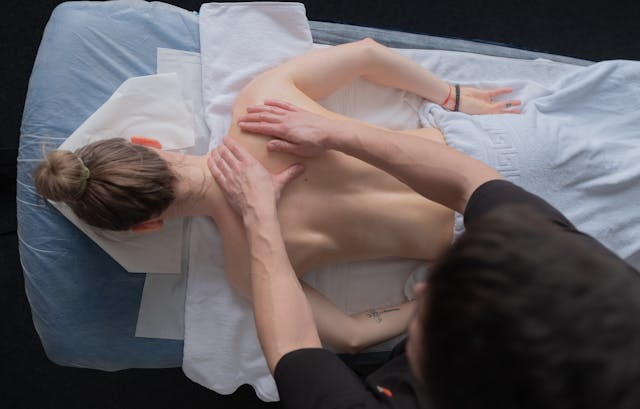
Sports massage is a unique form of body massage that helps individuals who engage in physical activities and sports events. This type of massage deals with muscles that are used while exercising, thereby improving performance, reducing injuries, and facilitating recovery. As opposed to a standard therapeutic massage, sports massage concentrates on muscles depending on their activity levels.
What Is Sports Massage?
Sports massage is one of the deep tissue massages, which deals with the treatment of muscles engaged in physical exercises. Pressure, stretching, and manipulation of soft tissues, including muscles, tendons, and ligaments, make up sports massage.
Key goals of sports massage include:
- Improvement of muscle performance
- Injury prevention
- Faster recovery time
- Muscle soreness reduction
Sports massage can be applied before and after physical activities.
History and Development of Sports Massage
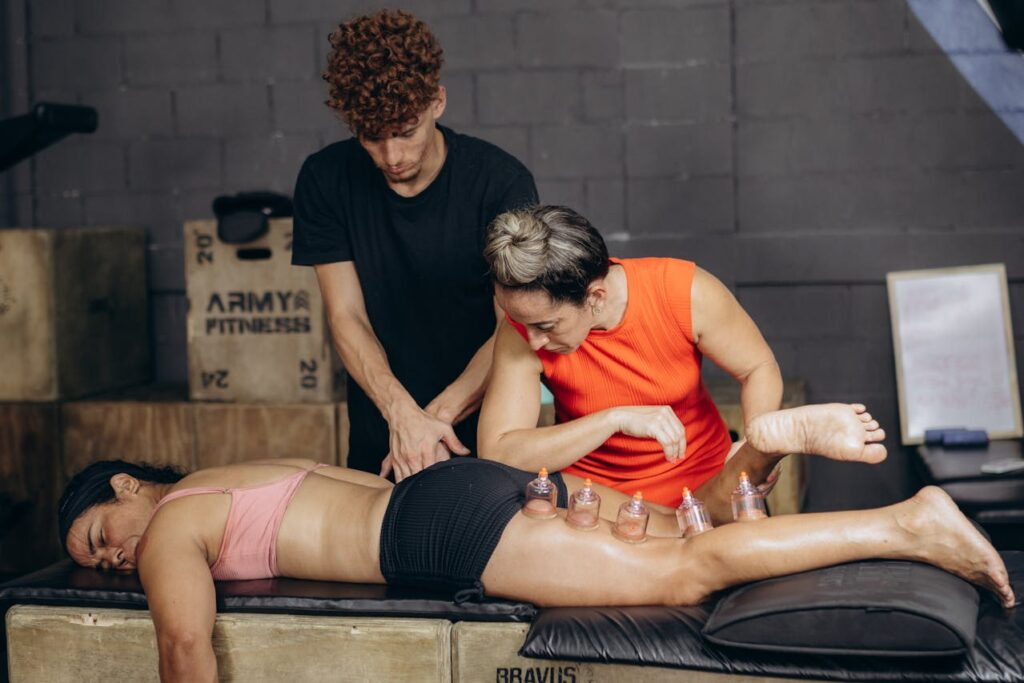
The use of sports massage dates back thousands of years. Early civilizations such as Greece and the Romans applied rubbing and oil to athletes before the events.
Nonetheless, the evolution of modern sports massage occurred in the 20th century when the science of sports started to examine the reaction of the organism to physical stress. Nowadays, it is a widely known aspect of physiotherapy and sports medicine. Massage therapists are now part of the medical and training staff of many professional sports teams.
How Sports Massage Works
The working principle of sports massage is based on relaxing muscles at a deeper level, promoting circulation. Overexerted muscles tend to get tight and form muscle knots (or trigger points). The sports massage technique enables athletes to:
- Release trigger points
- Increase oxygen levels to body tissues
- Eliminate excess lactic acid
- Improve lymphatic fluid circulation
- Increase flexibility
These actions ensure that the muscles heal at a faster rate.
Types of Sports Massage
1. Pre-Event Sports Massage
Sports massage before an event is used to prepare muscles before a competition, enhance blood circulation, flexibility, decrease the risk of injury, and make athletes feel mentally and physically fit.
2. Post-Event Sports Massage
Post-event sports massage is administered after activities to alleviate muscle pains, eliminate wastes, ease tension in tight muscles, and accelerate recovery and healing.
3. Maintenance Sports Massage
Regular sports massage during training is referred to as maintenance sports massage that helps to prevent injuries, maintain muscle flexibility, enhance performance, reduce tension, and support long-term physical conditioning.
Benefits Of Sports Massage
#1 – Sports Massage Therapy Can Reduce DOMS
Sports massage can help relieve delayed onset muscle soreness (DOMS) by enhancing blood flow, eliminating waste products, and relaxing overworked muscles following strenuous exercise.
#2 – Sports Massage Therapy Can Relieve Tight Muscles
Sports massage relaxes tight muscles by dislocating knots, enhancing blood flow, flexibility, and normal muscle length following physical exercise or training.
#3 – Sports Massage Therapy Can Reduce Pain
Sports massage relieves pain by unloading muscle tension, enhancing blood circulation, reducing inflammation, and effectively activating the natural pain-relieving mechanism of the body.
#4 – Regular Sports Massages Can Improve Sporting Performance
Sports massage helps to improve performance through increased flexibility, efficiency of the muscle, injury prevention, and post-training and competition recovery.
#5 – Sports Massage Can Help You Relax
Sports massage also enhances relaxation of the nervous system, reduces stress hormone levels, relieves muscle tension, and gives a person a deep feeling of physical and mental relaxation.
#6 – Sports Massage Can Help You Sleep Better
Sports massage enhances the quality of sleep through decreasing stress levels, relaxing muscles, relieving anxiety, and assisting the body and mind to rest.
The Basic Techniques Used in Sports Massage
1. Effleurage (Stroking)
Effleurage is a soft, flowing movement that is applied to warm muscles, enhances the supply of blood, loosens tissue, and prepares the body to be subjected to deeper sports massage movements.
2. Petrissage (Kneading)
Petrissage is a massage technique of kneading, squeezing, and lifting muscles to relieve tension, improve blood circulation, loosen knots, and increase the overall muscle flexibility and recovery.
3. Friction
Friction involves deep, focused pressure and small circular movements to separate adhesions, decrease scar tissue, and enhance mobility in tight or injured muscle fibers.
4. Vibration/Shaking
Vibration or shaking is a quick, rhythmic movement of the muscles and helps to reduce tension, calm nerves, enhance relaxation, and promote blood flow in specific regions.
5. Compression
Compression is the consistent pressure on muscles with hands or elbows, which helps to increase blood flow, decrease muscle tightness, and lessen muscle fatigue after exercise.
6. Broadening Strokes
The extension of lines disperses pressure over the broad areas of the muscles, and assists in warming the tissues, enhancing the flexibility, decreasing the rigidity, and preparing the muscles for greater therapeutic manipulation.
7. Direct Pressure
Direct pressure involves pressure on particular tight spots or trigger points, maintaining constant pressure until muscle tension is relieved, eliminating pain, and enhancing local muscle performance.
8. Cross-Fiber Friction
Cross-fiber friction puts pressure between muscle fibers to loosen scar tissue, heal, reestablish movement, and flexibility in injured or tight muscles.
9. Range of Motion and Stretching
It is a method of stretching muscles and moving joints to enhance flexibility, improve mobility, decrease stiffness, and help improve athletic performance and prevent injuries.
10. Lymphatic Massage
Lymphatic massage is a light, rhythmic massage technique that enhances lymph flow, eliminates toxins, decreases swelling, and aids the normal immune and recovery processes of the body.
Physiological Effects of a Sports Massage
Sports massage has some significant physiological effects on the body. These effects can be used to aid in recovery, improve performance, and minimize the risk of injury.
1. Increased Venous Return
Massaging of the sport stimulates blood circulation towards the heart in a better manner. This enhances the circulation, swelling in the muscles is minimized, and waste products such as carbon dioxide and lactic acid are removed faster.
2. Increased Temperature
Massage raises the temperature of the muscles by enhancing blood flow. Flexibility, reduced stiffness, and responsiveness to movement in warmer muscles occur, reducing the risk of injury when exercising.
3. Increased Lymphatic Drainage
Sports massage activates the lymphatic system, which aids in clearing toxins, excess fluids, and metabolic waste out of the body. This minimizes swelling and helps the immune system, and promotes quicker healing.
4. Increased Tissue Elasticity
Massage enhances muscle, tendon, and connective tissue elasticity and flexibility. This enables the body to have increased freedom of movement, increases the range of motion, and also increases athletic performance.
5. Breakdown of Adhesions
Most adhesions are scar-like, tight bands of tissue, which develop following injury or overuse. Sports massage is used to loosen these adhesions, reestablishing normal movement of muscle and decreasing stiffness and pain.
6. Breakdown of Scar Tissue
Massage is used to loosen and rearrange scar tissue, which develops following injuries. This enhances tissue healing, minimizes pain, and enables the functioning of muscles and joints in a better way over the period.
7. Promotion of Relaxation
The parasympathetic nervous system is stimulated by sports massage, and this reduces stress. It lowers muscle tension, decreases heart rates and enhances physical and mental rest following training or competition.
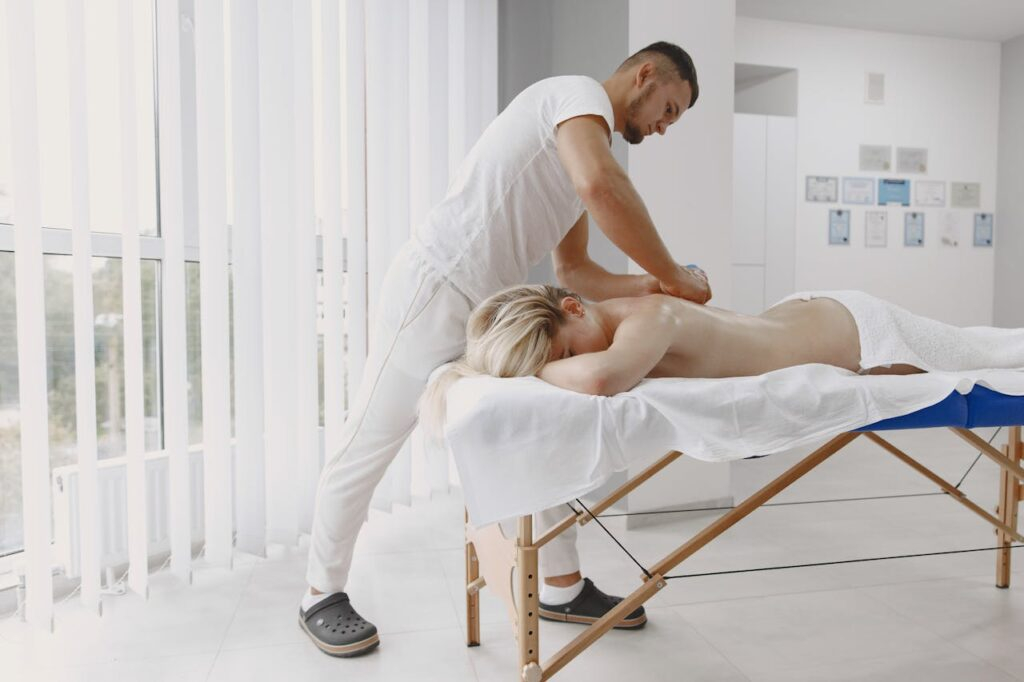
Sports Massage vs. Deep Tissue Massage
| Feature | Sports Massage | Deep Tissue Massage |
| Primary Goal | Improves athletic performance, prevents injuries, and speeds up recovery after physical activity | Focuses on relieving chronic pain and releasing deep muscle tension |
| Target Area | Concentrates on specific muscles used in sports or exercise activities | Works on broader muscle areas or the full body to reach deeper layers of tissue |
| Techniques Used | Includes stretching, compression, friction, and joint mobilization techniques | Uses slow strokes and firm, sustained pressure on deep muscle layers |
| Ideal Timing | Best before events, after workouts, or during training cycles | Best during rest periods, recovery phases, or for long-term muscle pain issues |
| Pressure Level | Medium to deep pressure, depending on the athlete’s needs | Generally, more intense pressure throughout the session |
| Main Benefit | Enhances flexibility, boosts performance, and reduces sports-related injuries | Reduces chronic stiffness, improves mobility, and relieves long-term muscular discomfort |
| Common Users | Athletes, gym trainers, runners, and active individuals | People with chronic pain, muscle tightness, or postural issues |
| Treatment Focus | Performance-driven and sport-specific muscle care | Therapy-driven deep muscle relaxation and pain management |
Who Needs Sports Massage Therapy?
1. Sports Massage is Good for Fitness Beginners
Sports massage assists fitness newcomers to lessen muscle pain, enhance flexibility, ward off injury, and facilitate secure training advancement as the body adjusts to new activity habits.
2. Sports Massage Can Help Those With Injuries
Sports massage is able to help injured people by alleviating pain, increasing blood flow, dissolving scar tissue, and accelerating the processes of natural healing and rehabilitation.
3. Sports Massage is Good for Professional Athletes
Sports massage is being used by professional athletes to improve performance, prevent injuries, maintain muscle condition, and speed up recovery time during high-intensity training and competitive sports seasons.
4. Sports Massage Benefits Amateur Athletes
The advantages of sports massage to amateur athletes are that it helps to decrease muscle tightness, increase endurance, and decrease the chances of experiencing exercise-related injuries during activities.
Possible Side Effects
In the majority of cases, sports massage is safe, but individuals might experience:
- Slight post-deep-massage pain.
- Redness of treated areas temporarily.
- Slight fatigue
These symptoms tend to disappear in 24-48 hours.
Consuming water and having a rest after a session will alleviate the discomfort.
How Sports Massage Supports Injury Prevention
One of the greatest benefits of sports massage is its ability to prevent injuries.
How it achieves this is through:
- Detection of muscle tightness
- Increased flexibility
- Reduction of muscle imbalance
- Tissue repair
- Prevention of overuse injuries
Role of Sports Massage in Athletic Performance
Sports massage has an important role to play in improving performance through muscle preparation and quick recovery.
Improvement in Performance:
- Faster muscle warming before exercise
- Lower fatigue during exercise
- Coordination of muscles
- Recovery from previous workouts
- Greater workout efficiency
Conclusion
Athletes and active people use sports massage as an effective treatment to boost their performance and avoid injuries, and recover from their activities. The treatment improves flexibility while decreasing muscle tightness and enhancing complete body health. The treatment helps patients achieve their maximum physical condition while decreasing their pain and enhancing their long-term health benefits.