

Does deep tissue massage help tennis elbow? Learn how it eases forearm soreness, what the research shows, and which treatments work better for lasting recovery.
What Is Tennis Elbow and Why Does It Hurt?
Tennis elbow is clinically referred to as lateral elbow tendinopathy or lateral epicondylitis. Tennis elbow involves the tendons that connect the forearm muscles to the elbow area.
These tendons regulate movements of the wrists and fingers. Activities such as gripping, lifting, rotating, and wrist extension may stress the tendon insertion points, leading to pain.
You don’t have to be a tennis player to suffer from tennis elbow. People who work in offices, mechanics, painters, gardeners, and people who perform repetitive hand movements can suffer from similar symptoms. Symptoms include:
- Pain and tenderness on the outside of your elbow.
- Pain when gripping or lifting objects.
- Pain in the forearms when moving the wrist.
- Weakened grip due to pain.
- Pain while twisting a handle or shaking hands.
Gripping objects, lifting, and wrist movements are also mentioned by the NHS as common activities that trigger tennis elbow.
How Deep Tissue Massage Works
Deep tissue massage is characterized by slow, deep strokes and deep pressure to access deeper layers of muscles and connective tissue. The massage therapist may use the thumbs, knuckles, or forearms for rubbing against the forearm muscles. Deep tissue massage is used for:
- Reducing tightness in the forearm muscles
- Increasing the flow of blood to the affected region
- Decreasing pain sensitivity
- Improving comfort during movement
However, massage cannot repair the damaged fibers of tendons. It changes the way that the nervous system processes pain signals and allows tense muscles to relax.
Does Deep Tissue Massage Help Tennis Elbow?
Deep tissue massage therapy is an effective way of treating the symptoms of tennis elbow because it can relax tense muscles and improve circulation in the affected forearm region. Deep tissue massage cannot heal the damage in the elbow joint because it does not work directly on tendons; a combination of physiotherapy exercises and activities will be more effective. Don’t perform deep tissue massage therapy if your elbow is swollen or painful.
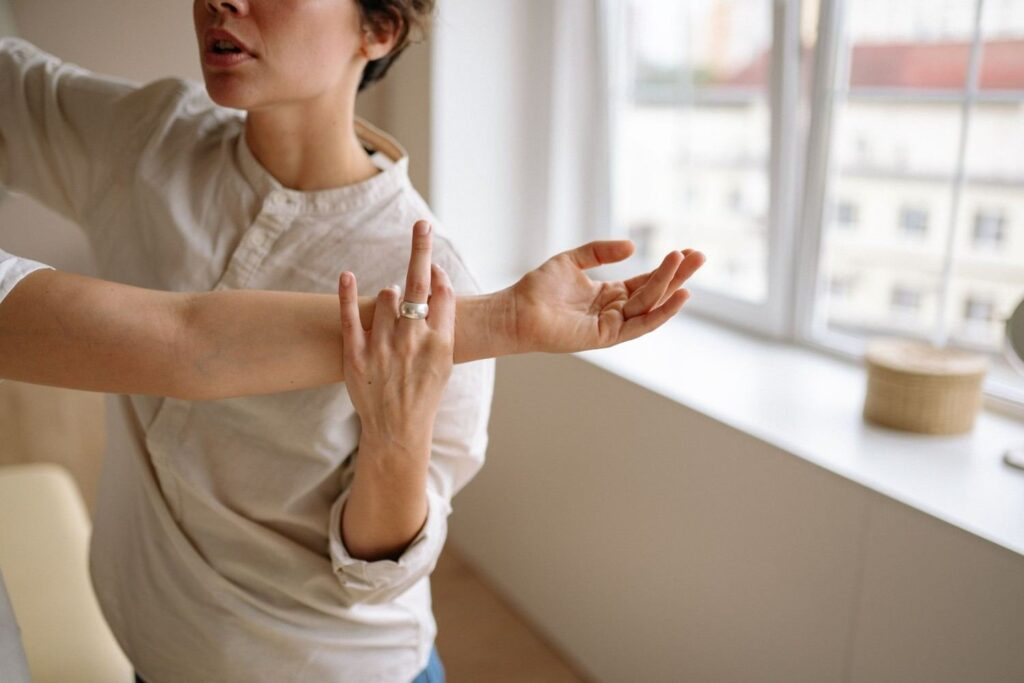
How Does Deep Tissue Massage Help Tennis Elbow?
Deep tissue massage concentrates on deeper muscle layers through controlled pressure and slow strokes. The technique can relieve surrounding forearm muscle tension and discomfort, but it will not heal the affected tendons or eliminate the injury.
1. Reduces Forearm Muscle Tension
If tight muscles make daily movements difficult to perform, deep tissue massage can address this problem and help individuals feel relaxed when performing gripping, lifting, or any other repetitive actions.
2. Supports Muscle Relaxation and Mobility
Tightness of muscles around the elbow joint may prevent the arm from moving easily. Proper massage may be able to ease this problem, but if the tendons are problematic, then other types of rehabilitation should be used.
3. May Help Manage Discomfort
Many individuals find that they experience temporary relief from their discomfort through therapeutic massage because it is the surrounding muscle tension that gets treated. Nevertheless, it does not mean that the tendon heals or regains its strength.
4. Supports Recovery Alongside Other Treatments
Deep tissue massage serves well as an integrated wellness strategy as opposed to being the sole treatment for tennis elbow. Relevant strengthening exercises, modifications in activities, and professional evaluation still come in handy.
Deep Tissue Massage vs. Deep Transverse Friction Massage
These therapies seem similar but are in fact different kinds of therapies. This distinction is important since scientific studies about deep transverse friction therapy do not necessarily mean that deep tissue massage therapy works.
| Feature | Deep tissue massage | Deep transverse friction massage |
| Main focus | Deeper muscle layers and fascia | Specific tendon or soft-tissue areas |
| Technique | Slow strokes and controlled pressure | Focused pressure across tissue fibres |
| Main purpose | Address muscular tension | Targeted manual therapy |
| Application | Broader muscular areas | Specific structures |
| Tennis elbow evidence | Limited direct evidence | Mixed and uncertain evidence |
Which Areas Should Massage Target for Tennis Elbow?
The site of treatment is more important than selecting higher pressure. A proper massage will take into account surrounding muscles, personal sensitivity, and the location of symptoms.
Forearm Extensor Muscles
The muscles in the forearm that extend are responsible for straightening the wrist and the fingers. Appropriate massage in the area may help with tightness from repetitive motion.
Upper Forearm
The upper forearm has muscles that are involved in moving the wrist and fingers. Relaxing the tension in the surrounding muscles may help without putting too much pressure on the elbow.
Muscles Around the Elbow
The muscles around the elbow play a role in moving the arm. The massage should be painless and should not involve putting too much pressure on the site of the tendon insertion.
What Other Treatments Help Tennis Elbow?
Massage is usually not the entire solution in such cases. An appropriate rehabilitation program should target the repetitive motions that lead to symptoms and restore strength and function to the affected limb.
1. Rest and Activity Modification
Avoid actions that cause elbow pain, specifically repetitive gripping and lifting of heavy objects. It is not necessary to avoid every action, but you may have to modify them to give your muscles a break.
2. Stretching and Strengthening Exercises
A physical therapist will be able to advise you on stretches and strengthening exercises for your wrist extensors. This will help strengthen the forearm and allow it to handle everyday actions and exercise.
3. Cold Therapy
Placing a cold pack inside a towel will help manage the discomfort caused by aggravating actions. According to the NHS, cold or heat application should last no longer than 20 minutes.
4. Supportive Elbow Braces
Wearing a counterforce brace on your upper forearm will help relieve the tendon from excessive pressure during some actions. Consult your healthcare professional to see if this works for your condition.
5. Physical Therapy
Physical therapy incorporates assessment, movement recommendations, and rehabilitation exercises. A professional therapist will be able to identify contributing movements and recommend a suitable treatment plan for your elbow.
Work Better Than Massage Alone
1. Progressive Strengthening Exercises
Exercise is supported by the most research evidence. Exercise typically begins with low-resistance extension of the wrist extensor muscles before progressing to more difficult resistive and gripping exercises. This helps condition the tendon to withstand normal loads.
2. Activity Modification
Minimize the movements that cause pain. Change the grip, use a bigger handle, reduce the tension of the strings of the racket when playing tennis, and change your keyboard/mouse setup. Stop performing the offending action but continue to move the arm.
3. Bracing
Wearing a counter-force brace on the forearm can relieve stress on the tendon attachment when performing actions. It is helpful for many patients as temporary relief at work or during sport.
4. Stretching
Stretching exercises for the flexors and extensors of the wrist can relieve discomfort and increase mobility. Perform stretching in addition to the strengthening exercises.
5. Pain Relief Options
Topical anti-inflammatory gels can provide temporary pain relief. Consult your physician or pharmacist for advice on the best options.
6. Medical Procedures
Injections can provide short-term pain relief; however, studies have shown that they can hinder recovery from the condition in the long run for certain individuals. In cases that do not show improvement despite months of treatment, your physician might propose treatment methods like shockwave therapy or surgery.
How Long Does Tennis Elbow Take to Heal?
Most cases respond well to conservative treatment; however, recovery takes time. In many cases, gradual improvement occurs over weeks or even a few months. There are cases where the condition persists for up to half a year or even more in case of repetitive exposure. Exercise and activity modification make recovery much faster.
How Many Massage Sessions Do You Need?
There is no single program that will work for everyone. Protocols for research purposes involve 12 sessions spread over four weeks, but that is just a protocol and not a rule. A sensible thing would be to try 3-4 sessions and see how you go. If the problem with pain or your ability to hold things and perform daily activities is still there, change the plan rather than increasing the number of sessions.
Finding a Therapist Near You
- Physiotherapist for tennis elbow treatment near a sports massage therapist near me.
- Check whether the practitioner is certified or licensed in your region.
- Check reviews where elbow injury, tendon, or sports injury have been mentioned recently.
- Inquire about the combination of massage and exercises from the practitioner.
- Inquire about the treatment in case your pain does not go away.
Can You Combine Deep Tissue Massage With Physical Therapy?
Yes, assuming that the therapies are compatible with your condition and approved by your health care professionals. Physical therapy deals with the loading and strengthening of the tendons, while massage therapy will be useful in dealing with the muscular tension surrounding the area.
For instance, an individual suffering from tight muscles in the forearm as a result of working on the computer would require movement therapy and strengthening therapy. A relaxing massage would help deal with the muscle tension.
Persons who are curious about various therapies should also consider remedial massage therapy to learn more about the approach used by massage therapists in handling muscular and soft tissue discomfort.
Where Can You Get Deep Tissue Massage in Raleigh, NC?
Raleigh Massage is a massage therapy clinic providing deep tissue massage sessions tailored to each client in North Raleigh for people looking for massage therapy for their muscles and overall physical relaxation.
This facility uses customized pressure depending on the client’s preferences and the objectives of the massage. They start by consulting with the clients to learn about their issues and decide on appropriate methods. The clients can choose from:
- 60-minute deep tissue massage: $90.
- 90-minute deep tissue massage: $135.
- Customized pressure: Adjusted treatment according to the client’s preferences.
- Professional setting: Relaxing and private massage room.
These are massage services, not specialized medical care for tennis elbow. Please contact the practice prior to making your appointment if you have any tendon injury or elbow pain.
FAQs
Can massage make tennis elbow worse?
Yes. Too much pressure or aggression during therapy on the painful tendon may lead to increased pain. Cease treatment if pain worsens or becomes acute.
Is heat or ice better for tennis elbow?
They both may help relieve pain temporarily. Apply either of them whenever it helps reduce your pain for 10-15 minutes at a time, putting a cloth between the pack and your skin. They do not address the underlying tendon condition.
Can tennis elbow go away without treatment?
Many instances heal with time through reduction of aggravating factors. Active therapy can aid the process and minimize the risks of pain recurrence.
Conclusion
Massage can relieve forearm strain and provide temporary relief, but it cannot help to heal the damaged tendon in tennis elbow. The medical literature indicates that progressive strength training and modifications to activities, as well as physical therapy, are the foundation of recovery from tennis elbow. Massage should be used as an auxiliary treatment; apply only comfortable pressure, and if it increases pain, stop the massage session.