What is back massage, and how does it work? Learn benefits, types, techniques, and how it reduces pain, stress, and improves overall health naturally.
Introduction to Back Massage
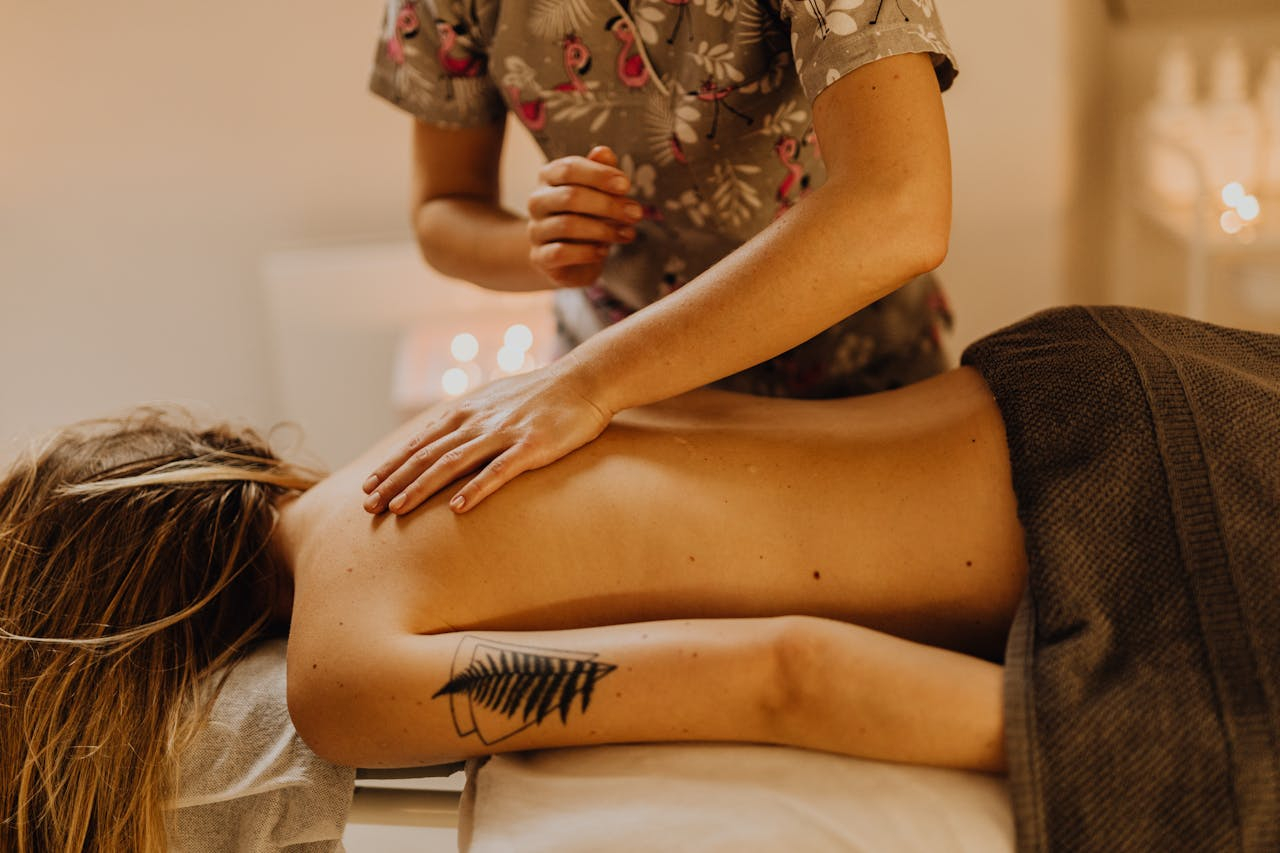
A back massage is a form of therapy that requires the application of force, manipulation, and movement on the muscles, tissues, and joints of the back region. Back massage aids in reducing tension in the muscles, improving blood flow, alleviating pain, and encouraging relaxation.
People of all ages use back massage for three purposes, which include stress relief and recovery from physical strain, and general wellness. Back massage delivers substantial health benefits for both physical and mental health when it is performed by professional therapists or through self-massage tools.
Types of Back Massage
Different types of back massage are available according to the requirements of individuals. The Swedish massage is quite gentle and used for relieving stress from the body, whereas deep tissue massage is applied to muscles that have chronic pain or stiffness.
The hot stone massage involves the use of heated stones for relaxation and improved blood flow. The sports massage is designed for athletes to heal injuries. The trigger point massage concentrates on knots in muscles, whereas the Thai massage incorporates both stretching and pressure techniques.
Benefits of Back Massage
Reducing Tightness
Back massage helps to relieve muscle tension that develops from stressful situations, extended sitting periods, and physical labor. This treatment enhances body comfort and flexibility and allows for better movement during daily activities.
Relaxing the Back Muscles
Back muscles that experience tension become relaxed through gentle massage strokes. Relaxed muscles create a body state that decreases discomfort while improving posture and creating a calming effect.
Improving Circulation
Massage treatment enhances blood circulation to back muscles, which enables faster delivery of oxygen and nutrients to muscle tissue. Enhanced blood circulation produces two main benefits, which include faster healing, reduced muscle soreness, and improved muscle recovery.
Reducing Back Pain
Back massage provides relief from pain that results from muscle strain, poor posture, and daily stress. The treatment creates less pressure on the body, which leads to increased flexibility and assists in natural pain relief.
Realigning the Back Muscles
Massage treatment enables the body to release muscle tension, which causes misalignment in the body structure. This practice enables improved body alignment and balanced body movements and decreases pressure on the spinal column.
Relieving Headaches
Headaches often occur because of muscle tension, which develops in the neck and upper back regions. Back massage treatment helps to release tension from these areas, which results in decreased headache occurrence and diminished headache strength.
Soothing Anxiety and Depression
The body experiences relaxation through massage because it decreases stress hormones while increasing the production of feel-good substances in the body. This method helps enhance mood while supporting natural emotional health progress.
Counteracting Poor Sitting Posture
The back and shoulder muscles experience strain when people sit for extended periods. Massage therapy helps to release muscle tension, which leads to better flexibility and improved posture while providing people with daily comfort and maintaining their health.
How a Professional Back Massage Works?
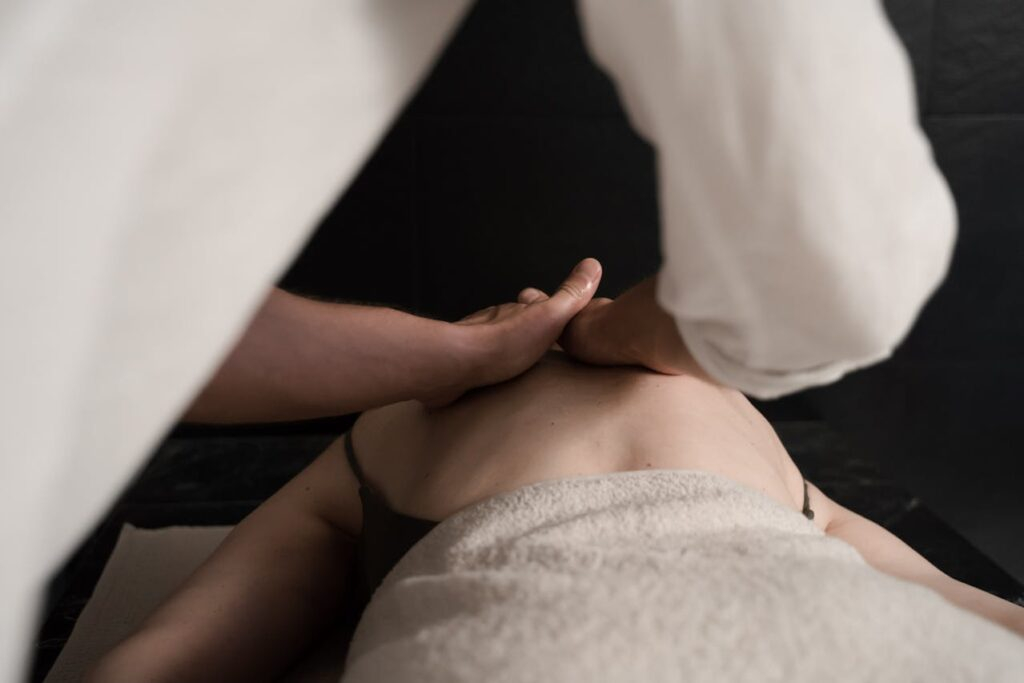
Professional back massage starts with the process of consultations during which the therapist determines the painful areas, any existing illnesses, and objectives. While giving the massage, the person receiving it is positioned on a special table, and the massage is performed through oils or lotion application. The procedure takes between 30 and 60 minutes. The after-massage care consists of rest and hydration.
Step-By-Step Guide to Giving a Back Massage
1. Begin the Massage
Help the individual lie face down on the massage table, then apply massage oil to the skin. Start massaging using gentle strokes in a figure eight shape all over the back.
2. Move on to Using Gliding Strokes
Perform gliding strokes starting from the lower portion of the back, moving all the way to the top part, towards the shoulders. The technique aims at relaxing muscles before applying pressure.
3. Use Your Body Weight
Avoid using only your palms to press; rather, make use of your body weight to ensure the pressure is uniform. Using your entire body will be much more efficient during the procedure.
4. Apply More Pressure to the Muscles Along Each Side of the Spine
Press only on the muscles that surround the spinal cord, avoiding the actual vertebrae. Apply pressure firmly but gently to relax the tightened muscles in the area.
5. Finish Up the Massage By Returning to the Initial Figure-Eight Stroke
End the session with gentle figure-of-eight motions for relaxing the muscles once more. In this way, the client feels relaxed and rejuvenated at the end of the massage.
Methods to Massage Yourself
Massage with a Tennis Ball
The tennis ball can be used when you want to work on stiff muscles. You need to place the ball between your back and the wall or floor and roll the ball gently.
Foam Roller
The foam roller system delivers muscle stiffness relief through its back pressure application. The user should perform slow body movements to achieve pain reduction while increasing their range of motion.
Getting Stretched
Self-stretching exercises enable people to increase their flexibility while decreasing tension in their back muscles. Simple movements like twisting, bending, and reaching help loosen tight muscles and promote better posture and relaxation.
Common Causes of Back Tension
Poor sitting position due to prolonged working or viewing the computer can result in strain in both the lower and upper back. Back pain and strain can be the outcome of heavy manual labor that involves bending or lifting objects.
Emotional stress results in stiffening of the muscles, especially the shoulder muscles. Failure to exercise often leads to weak muscles as well as stiffening. Sudden moves during exercise or sporting activities may also result in strain.
Why Back Massage Matters?
The importance of back massage lies in the fact that contemporary lifestyles have resulted in lengthy periods spent sitting, bad posture, stress, and lack of exercise, leading to chronic back pain. Massage relaxes muscles, improves posture, relaxes the mind, and contributes to mental well-being.
Who Can Benefit from Back Massage?
Office Workers
Desk jobs that involve long periods of sitting tend to result in stiff and tense muscles in the back and shoulders. The back massage technique is effective in relaxing muscle fibers, relieving pain, and improving posture.
Athletes
Athletes tend to have tired muscles due to the high physical demands in the sport. Massaging the back is useful in recovering quickly, relieving muscle soreness, enhancing flexibility, and increasing sports performance.
Elderly People
The elderly tend to suffer from poor mobility and stiffness. A gentle back massage can help improve comfort, mobility, and increase blood circulation.
People with Stress
Individuals suffering from mental stress have tense muscles in the back region. Back massage helps relax muscles, relieve stress, reduce anxiety levels, and provide overall relaxation and relief.
Manual Labor Workers
Construction workers, drivers, and factory workers in factories suffer from back injuries due to their occupations. Massage therapy is beneficial in reducing fatigue, preventing injuries, and boosting muscle strength.
Professional vs. Home Massage
The trained therapists who perform professional massage use their knowledge of body anatomy and pressure points to provide their service. The method works better for patients who experience chronic pain or need to recover from their injuries. Home massage provides relaxation and relief from mild tension, but does not provide advanced techniques for treatment.
Conclusion
Back massage provides an efficient method to relieve pain, which helps decrease muscle tension and supports both physical and mental health benefits. The practice helps people achieve better postural control, which leads to improved relaxation and faster recovery.
The practice of self-applied or professional treatment helps people maintain a healthy lifestyle without stress while they experience greater comfort and balance in their bodies.