Learn what scalp massage is, its benefits, techniques, oils, and how it improves hair health, blood flow, stress relief, and relaxation naturally.
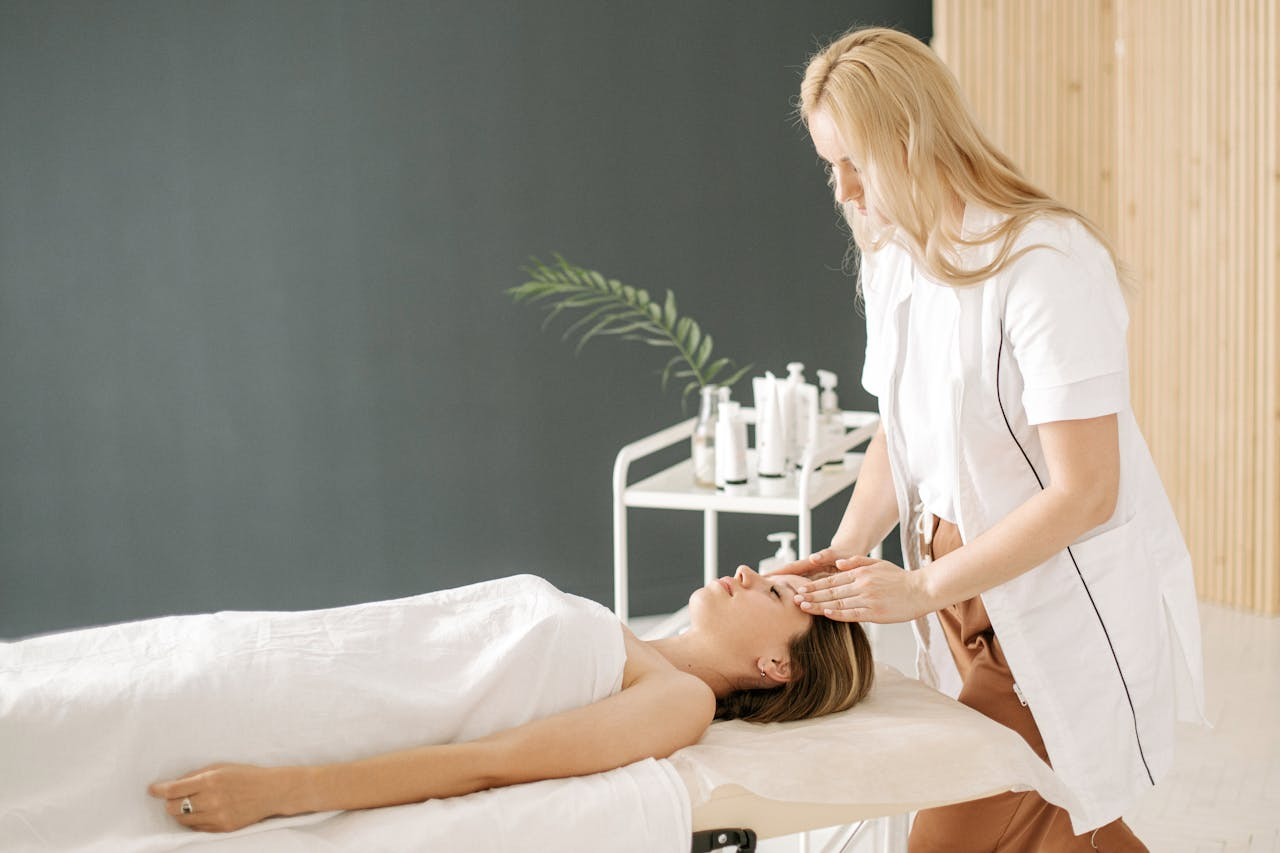
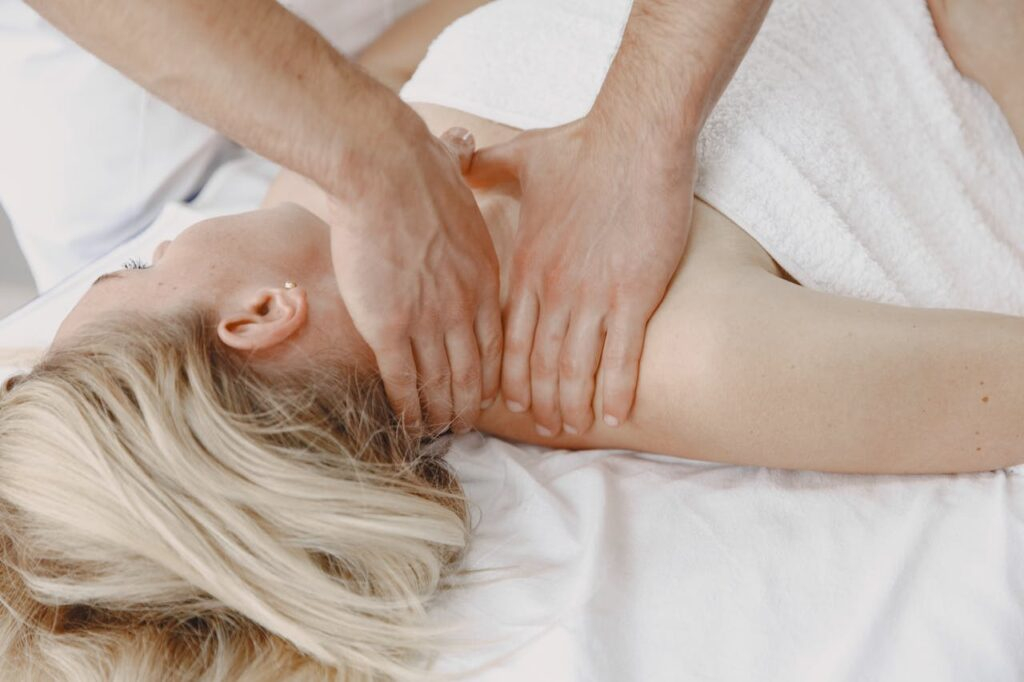
Scalp massage is an easy technique where the skin of the head is rubbed, pressed, or kneaded using one’s hands or tools such as scalp massagers. The technique targets the scalp region, aiming to increase blood circulation, loosen muscles, and promote scalp and hair health. Scalp massages are performed to relax, reduce stress, and enhance hair care practices.
What Is Scalp Massage?
Scalp massage involves the stimulation of the scalp through the use of light strokes. The treatment targets the skin on your scalp and the subcutaneous tissue beneath it.
The following are some methods for carrying out this massage therapy:
- Using the hands (most common approach)
- Using oil (coconut oil and olive oil)
- Using tools like brushes or massagers
Its major purpose is to relax your scalp muscles and enhance blood circulation in the scalp.
How Scalp Massage Works?
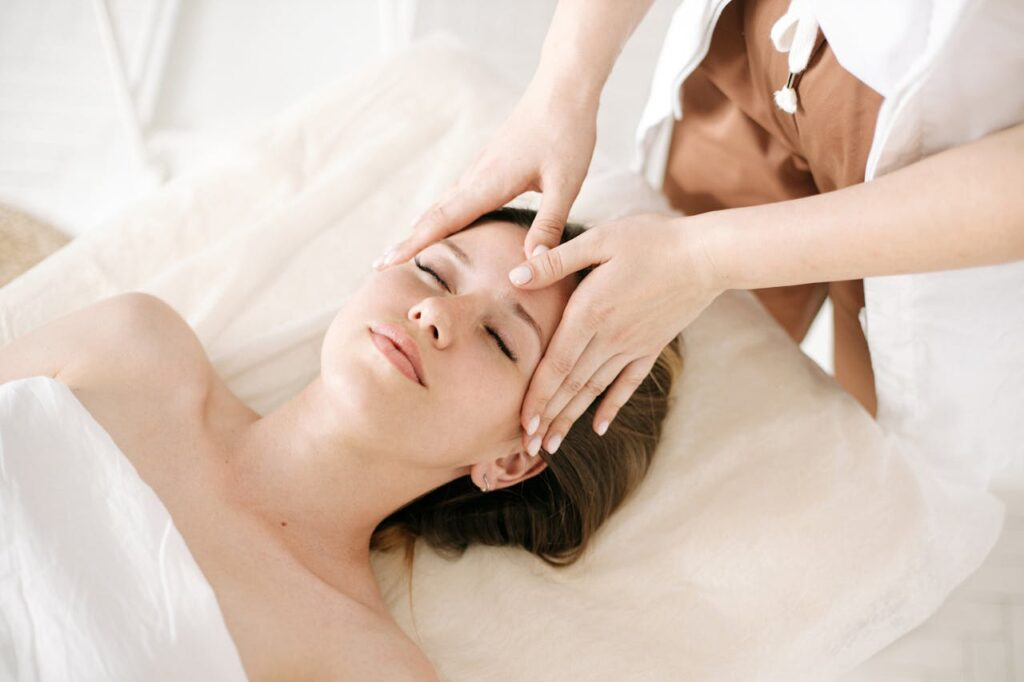
Scalp massage works by stimulating nerve endings and increasing blood flow to the scalp. The process delivers oxygen and nutrients, which reach hair follicles through the increased blood flow. The application of gentle pressure provides muscle relaxation, which reduces tension and creates a healthy scalp environment that benefits hair strength and growth throughout time.
Benefits of Scalp Massage
Increased Blood Circulation
Scalp massage boosts blood flow to hair follicles, which helps deliver essential oxygen and nutrients. The treatment enhances root health while improving scalp condition, which may result in stronger and more attractive hair growth over time.
Stress Relief and Relaxation
The gentle process of scalp massage serves to calm the nervous system while it helps to release tension from tight muscles. It helps reduce daily stress, improves mood, and creates a soothing feeling that promotes overall mental and physical relaxation.
Hair Growth Support
The practice of regular scalp massage helps people achieve hair growth by enhancing their blood flow and improving their scalp condition. The process establishes optimal conditions for hair follicles to develop, which results in thicker hair that appears healthier.
Lower Stress Hormones
Scalp massage helps lower cortisol, which is a stress hormone, according to research. The process of reducing stress creates benefits for health, which include a better mood and a peaceful state that helps both mental and physical recovery.
Relieve Migraine Headaches
Migraine pain can be reduced through gentle scalp massage, which relaxes muscles and increases blood circulation. The treatment provides mild relief through its capacity to reduce head pressure, which promotes relaxation.
Relieve Tension Headaches
Scalp massage provides a therapeutic solution for relieving muscle tension that affects both the head and neck areas. The process helps people decrease their tension headaches while it offers relief from the pressure that creates a peaceful state of mind.
Types of Scalp Massage
1. Dry Scalp Massage
You rub your scalp without applying any oils or water to it. This technique is easy and fast to execute. You can perform it at any time, for example, during your lunch breaks, as it helps relax your mind.
2. Oil Scalp Massage
You massage your scalp after applying oils such as coconut oil, almond oil, or olive oil on it. Oil helps reduce friction and also nourishes the scalp, which improves the texture of your hair.
3. Shampoo Massage
You massage your scalp while cleaning your hair with shampoo. This technique helps cleanse your scalp from oil and other accumulations on your scalp, thus improving blood flow to the scalp.
4. Tool-Based Massage
You use tools, including scalp brushes and massagers, while performing this procedure. Tools help increase pressure on your scalp, making the procedure more efficient.
Techniques for Effective Scalp Massage
Fingertip Kneading
Use your fingertips to create subtle pressure, which you should move in circular patterns across your scalp. The treatment effectively improves blood circulation while helping muscles to relax and relieving physical stress.
Scalp Skin Squeezing
The process needs fingers to lift each scalp skin section, which should be squeezed for better results. The method promotes hair growth by improving blood flow to the scalp while it helps to relieve tension that has built up in the head.
Raking
Fingers should be used like a comb and dragged from the forehead towards the back of the head through the hair. This is done to aid in relaxation and even distribution of oils in the scalp.
Tapping
Tap your head softly using the tips of your fingers, following a rhythmic sequence. It stimulates nerves, improves circulation, and provides a revitalizing effect on the entire scalp.
Acupressure
The user should apply continuous fingertip pressure to designated areas of their scalp. The technique helps decrease headache symptoms while promoting relaxation and maintaining energy balance to enhance mental focus and calmness.
How to Do Scalp Massage at Home
Step 1: Find a Comfortable Position
You should sit on a chair or choose to lie down in a position that allows you to relax. Your body needs to reach a state of comfort. The tranquil environment enables you to concentrate better while you experience the complete benefits of the massage.
Step 2: Use Your Fingertips
Your scalp requires you to touch it with your fingertips. You should avoid using nails because they will make scratches on your skin. Your fingers need to move at a slow speed to create small circular motions. The technique maintains an easygoing massage, which ensures safety during the session.
Step 3: Apply Gentle Pressure
You should apply light pressure to your scalp while you use your fingers to touch it. You should avoid applying excessive strength. The gentle pressure method allows blood circulation to be enhanced while it calms the scalp without creating any discomfort.
Step 4: Cover All Areas
Move your fingertips across your entire scalp. You should begin from the top of the head, then move onto the sides, and finally the back. This will help ensure that you massage all parts of the scalp equally.
Step 5: Continue for 5–10 Minutes
Continue with the massage for five to ten minutes. Be consistent with the timing. The period is sufficient to relax your scalp, boost circulation, and help you have healthy hair and scalp.
Best Oils for Scalp Massage
Jojoba oil maintains scalp oil balance while preventing clogged pores. Coconut oil reduces protein loss while it strengthens hair. Rosemary oil may enhance blood flow, which assists with hair development. Argan oil provides deep nourishment, which creates soft hair. The combination of these oils enhances scalp health while making hair stronger, smoother, and easier to manage.
Pros of Scalp Massage
- Improve circulation in the scalp and hair follicles
- Decreases stress levels and aids mental relaxation
- Promotes healthy and vigorous hair growth
- Relieves symptoms of tension headaches
- Improves sleep quality due to soothing properties
Cons of Scalp Massage
- Irritates when the pressure applied is too high
- Aggravates infection in an unhealthy scalp
- Too much oil application clogs scalp pores
Who Can Do Scalp Massage?
Scalp massage can be performed by almost all people. The treatment works for men, women, and children. The treatment helps people who experience stress, dry scalp problems, and hair difficulties.
The product provides an efficient and safe solution for everyday applications. The product should be avoided by people who have active cuts and infections or severe scalp disorders. The best results require users to apply light pressure throughout their testing process.
Possible Side Effects
Scalp massage is usually safe, but some people may feel mild discomfort if the pressure is too strong. The treatment creates temporary skin redness and discomfort.
Excessive oil application leads to pore blockage. Individuals who have scalp infections, skin wounds, or sensitive skin should avoid massage or see a doctor before proceeding.
Tips for Better Scalp Massage
A more relaxing massage involves using warm oil, as it allows the scalp to be relaxed. It is necessary to carry out the massage slowly by moving your fingers in a circular motion rather than pressing on it hard. It is important not to use your nails, as this could irritate the scalp. Maintain pressure evenly throughout the massage session.
Conclusion
Scalp massage acts as a basic natural method that helps people to relax their minds while producing better scalp health results. The treatment increases blood circulation in the body while it decreases stress levels and helps maintain proper hair growth. The practice of using soft techniques daily will create positive health effects because it serves as an easy self-care routine.