

What is trauma massage therapy? Learn how gentle touch helps release stress, calm the nervous system, and support emotional and physical healing safely.
Trauma massage therapy functions as a soft bodywork treatment that assists individuals in their recovery from both physical and emotional trauma. The treatment uses gentle and slow movements to induce relaxation, which helps the body release its built-up stress and achieve better emotional stability.
The therapy treats stress, anxiety, and trauma-related conditions through its three core elements of safety and consent and relaxation methods, which help the body achieve a state of secure healing.
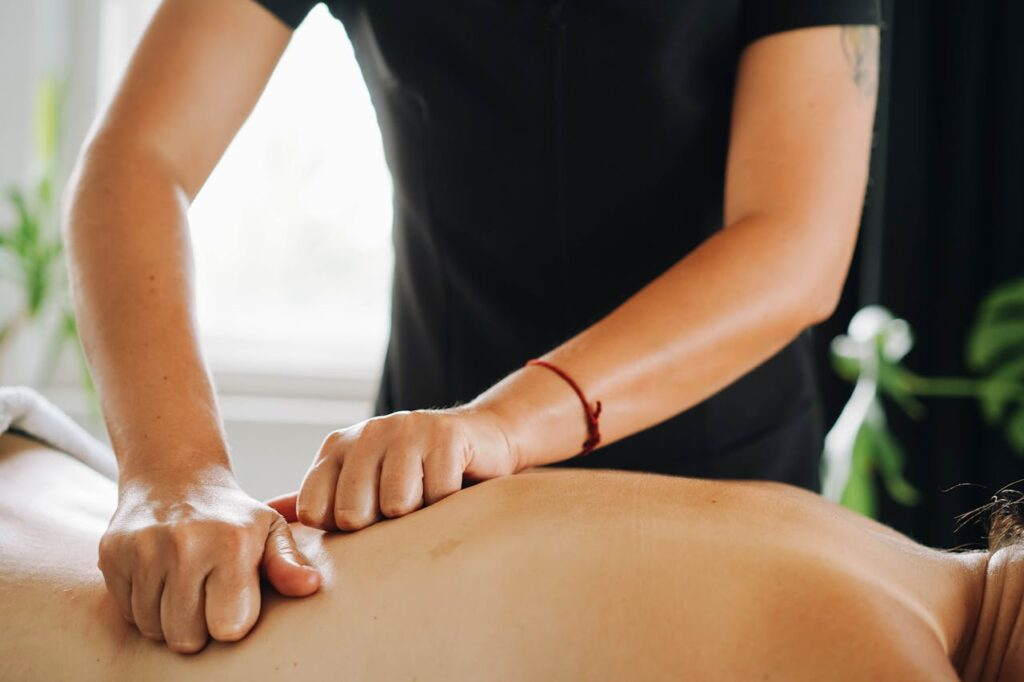
What Is Trauma Massage Therapy?
The trauma massage therapy is a holistic healing modality that employs touch, breathing, and slow movements to assist with recovery both emotionally and physically.
The underlying principles of this therapy are that:
- The body stores memories of traumatic experiences
- Touch can aid in releasing trapped emotions
- The nervous system can be trained to feel secure once more
The therapist always concentrates on generating an atmosphere that is relaxing and allows the client to retain control over the entire process.
How Trauma Massage Therapy Works
The trauma massage therapy technique involves making connections between the brain, the nervous system, and the muscles using gentle touching. This is achieved through slow and safe motions that convey a message of safety to the body, leading to relaxation. The muscles loosen up, respiration becomes deeper, and emotions are let go of.
The Role of Trauma Massage Therapy in Healing Emotional Wounds
Understanding Trauma Massage Therapy
The trauma massage therapy is a gentle body-based healing modality that assists in releasing the held tension, as well as emotional pain. The healing technique enhances nervous system functions, promotes relaxation, and restores emotional and physical balance in a safe way.
Safe Touch for Reconnection
Safe touch provides a sense of security back in one’s own body. This restores trust, eliminates the fight or flight response, and enables reconnecting with one’s physicality, particularly after experiencing psychological trauma or prolonged stress.
Reducing Physical Tension
It involves a relaxing process, which eases the muscle tension caused by the experienced trauma or stress. Gentle techniques assist in improving circulation, releasing tense muscles, and eliminating stiffness.
Encouraging Emotional Release
A trauma massage permits the surfacing of buried feelings without judgment. One can cry, feel relieved, or be at peace with oneself. The goal here is to let go of the accumulated emotional burden.
Enhancing Mind-Body Connection
It enhances the connection between mental activity, emotional state, and bodily sensations. The client gets to be aware of the effect trauma has on the body, thus improving their self-awareness, emotional balance, and better coping mechanisms during stressful situations or triggering events.
Supporting the Work of Psychotherapy
The process of trauma massage provides physical relief to people who need emotional support, which their psychotherapy sessions deliver. The technique helps clients achieve better therapy results because it helps them stay present while they undergo emotional healing and recovery processes.
Fostering a Sense of Calm
The therapy activates the parasympathetic nervous system, reducing stress and anxiety. The body system creates deep relaxation through its ability to slow breathing while producing a continuous feeling of peace, safety, and emotional stability.
The Pros of Trauma Massage Therapy
Holistic Healing
The therapy serves as treatment for both physical and mental aspects of trauma. The approach treats emotional distress and bodily tension simultaneously, which leads to complete healing, balance restoration, and permanent recovery from traumatic events.
Reduces Physical Pain
The therapy assists in releasing muscle tension while helping to alleviate severe body stress. The treatment increases blood flow while decreasing muscle tightness and assisting patients who suffer from chronic pain due to stress, injuries, or emotional distress.
Improves Mental Health
The therapy uses massage techniques to calm the nervous system, which leads to decreased anxiety, stress, and emotional overload. The method leads to muscle relaxation, which improves mood while creating emotional stability and mental clarity that lasts through time.
Personalized Approach
The therapist creates a session that matches the client’s specific requirements and personal comfort, and their experiences of trauma. The therapists use controlled pressure application together with specific techniques to create a treatment environment that helps clients heal in a safe way.
The Cons of Trauma Massage Therapy
Emotional Intensity
The practice of trauma massage therapy produces intense emotional responses that occur during treatment and persist after it ends. Clients experience distress when stored memories emerge because they lack appropriate emotional support to handle their situation.
Not a Standalone Treatment
The treatment serves as a supplementary option that should be used together with psychological therapy and counseling services for patients who need assistance with severe traumatic experiences, psychological challenges, and complex emotional difficulties.
Varied Results
EFT is never a replacement for either medicine or psychological help. EFT can be done in combination with either psychotherapy or counseling, especially when there is serious psychological trauma and complicated emotions that need help.
Cost and Accessibility
Each patient experiences different results from the therapy. Some patients will experience immediate relief while others will show no progress until their condition starts to improve at a slow pace.
What Happens During a Session?
Trauma massage therapy differs significantly from regular massage sessions.
Step 1: Consultation
Before starting the massage session, the therapist asks questions about your emotional history, any physical problems that you have, your personal preferences, and sets the boundaries to tailor your therapy.
Step 2: Consent-Based Touch
During the session, you remain in complete control as the therapist regularly assesses your level of comfort and asks you to confirm if the massage feels right.
Step 3: Gentle Bodywork
Slow and soothing massages are carried out with utmost care and attention, aiming at relaxation, safety, and nervous system regulation without rushing through any procedure.
Step 4: Rest and Integration
After receiving a massage, you should spend time in silence so your body and mind can process their effects while you work to achieve emotional stability and natural healing from your treatment.
Step 5: Aftercare Guidance
The therapist recommends that you drink water and take proper rest while performing gentle movements to help your body recover and maintain hydration and ongoing relaxation after the session ends.
How Trauma Massage Is Different from Regular Massage
| Feature | Trauma Massage Therapy | Regular Massage |
| Pressure | Very gentle | Medium to deep |
| Focus | Nervous system healing | Muscle relaxation |
| Pace | Slow and careful | Varies |
| Emotional awareness | High importance | Limited |
| Client control | Constant consent | Less emphasis |

Who Can Benefit from Trauma Massage Therapy?
Trauma massage therapy benefits people who experience physical injuries and emotional trauma, chronic stress, and post-surgery recovery, and have a history of abuse.
The treatment provides relief to people who experience continuous muscle tension and anxiety and grief, and who find it hard to relax, and to people who experience feelings of disconnection from their body and their emotions.
How to Choose a Qualified Trauma Massage Therapist
Step 1: Research credentials
Review the credentials, education, and licensure of the therapists to make sure they have the proper qualifications for massage therapy and trauma-informed bodywork treatment.
Step 2: Verify experience
Consider their practical experience working with trauma patients, particularly in creating emotional safety, using soft massage, and applying nervous system regulation techniques.
Step 3: Schedule a consultation
Schedule an introductory session to assess whether your requirements are met and to gauge the compatibility between you and the therapist.
Step 4: Ask about their trauma-informed practices
Ask about the measures they take to provide emotional safety, informed consent, pacing, and communication during sessions for effective trauma recovery.
Step 5: Trust your instincts
Observe how emotionally safe and secure you feel with the therapists and select someone who resonates with your emotional safety and security.
Why Trauma Massage Therapy is Becoming Popular
Trauma massage therapy has become increasingly popular as there has been recognition that trauma is present within the body. Research indicates that healing is a combination of both physiological and psychological processes.
Trauma massage therapy ensures whole-body healing, utilizes gentle techniques, allows for safe body awareness, and is compatible with mental treatment without overloading the client.
Safety and Important Considerations
Massage therapy for trauma is generally safe when administered by a competent practitioner. Consent needs to be provided, and the client can withdraw from the treatment at any time during the process.
Light pressure will be used and can vary. Emotional response is accepted, while deep pressure is avoided. People who have undergone traumatic experiences are advised to use this practice with psychotherapy.
Conclusion
Trauma massage therapy provides a secure and soft method for healing, which operates through two processes: the system calms down, and trapped anxiety is let go. The treatment helps maintain emotional stability while providing physical relief.
The therapy requires an experienced therapist who delivers proper treatment to assist people in reclaiming their body awareness while they heal from stress, anxiety, and trauma.