

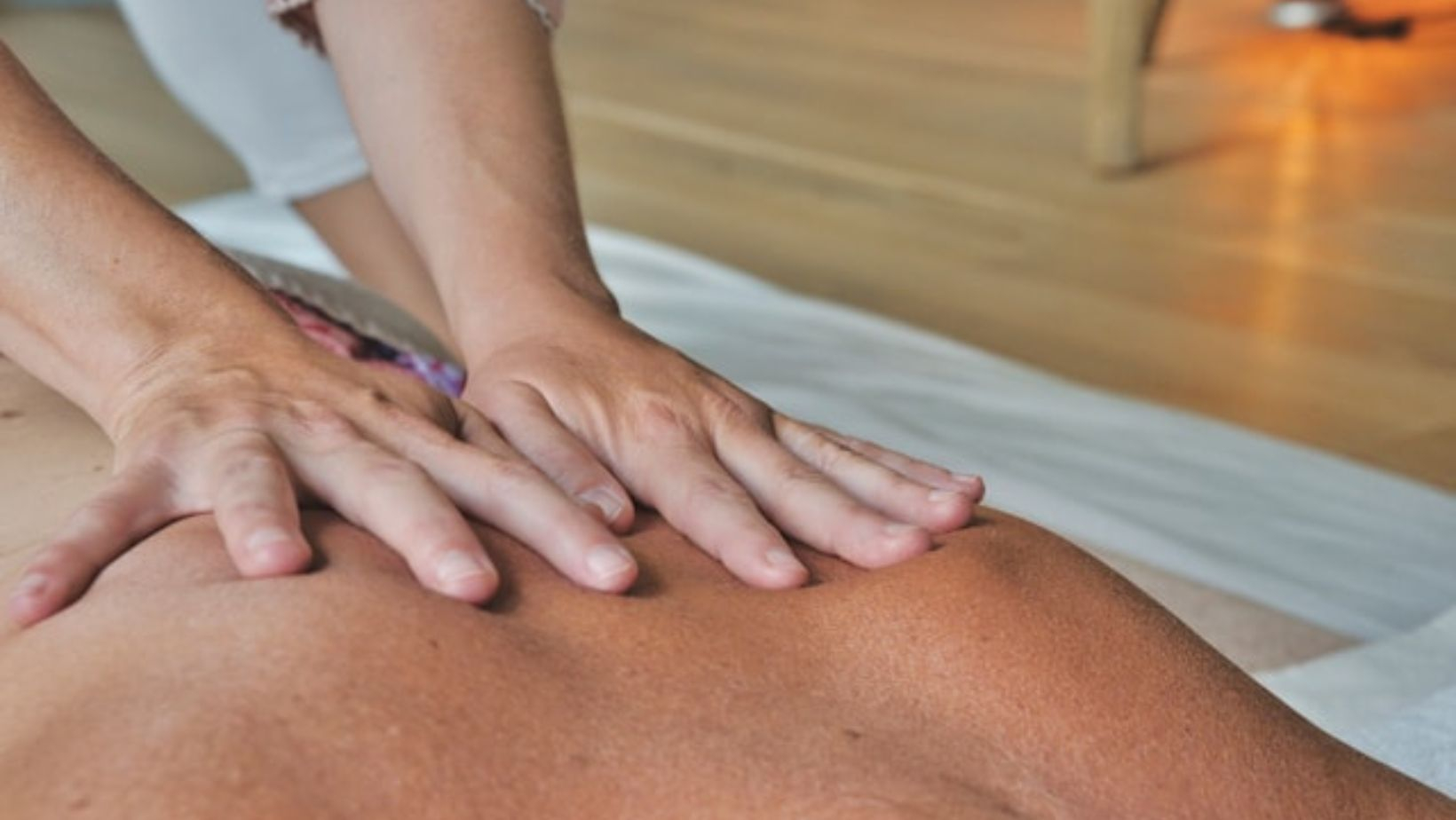
Is deep tissue massage therapeutic? Discover its benefits for pain relief, stress reduction, circulation, and recovery in this detailed guide.
What is Deep Tissue Massage?
Deep tissue massage is done in slow and deliberate movements and deep finger pressure to reach the muscle and fascia layers. It is commonly applied to treat muscle pain, stiffness, and postural problems. Therapists can also apply their forearms, elbows, or knuckles to add more intensive pressure to specific parts.
Key characteristics of deep tissue massage include:
- Pay attention to particular areas of problems instead of the entire body.
- Techniques such as stripping and friction to break up scar tissue.
- Slow pressure to prevent injury and, at the same time, to loosen tight muscles.
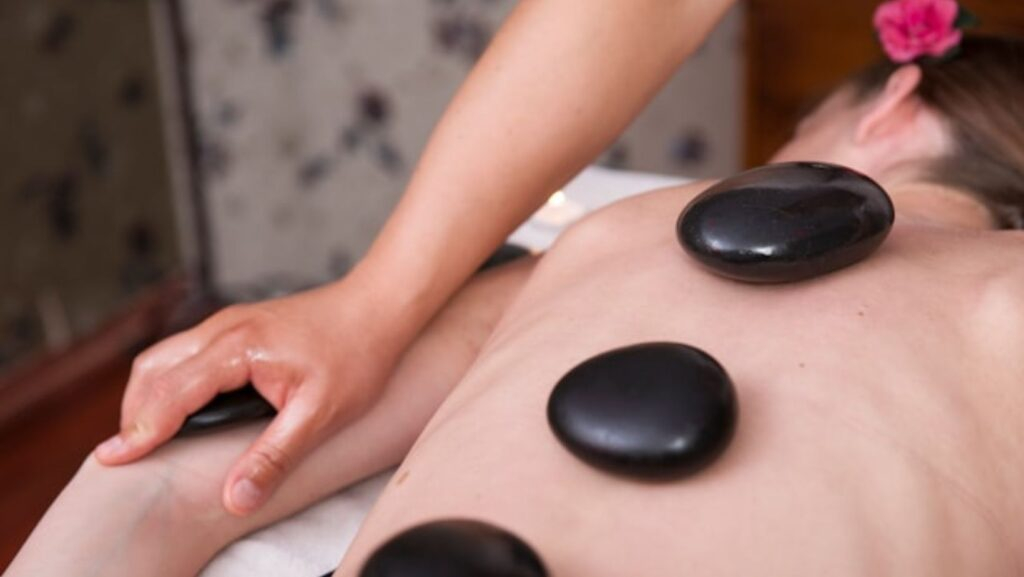
Key Features of Deep Tissue Massage
- Concentrates on deep muscle layers and connective tissue.
- Relaxes with slow, deep pressure.
- Directs the laser to a particular area of concern, like knots, adhesions, or scar tissue.
- May may be sore temporarily owing to excessive pressure.
Key Benefits of Deep Tissue Massage
Pain Relief and Muscle Recovery
Deep tissue massage is very good in reducing chronic muscle pain, joint stiffness, and tension that comes up as a result of overuse or even injury. Athletes and patients with repetitive strain injuries frequently testify to quicker recovery and enhanced mobility.
Stress Reduction and Relaxation
Unlike other forms of massage, though more profound and intense, deep tissue therapy induces relaxation due to the lowering of the cortisol levels and encourages the work of the parasympathetic nervous system.
Improved Blood Circulation
Deep tissue massage pressure improves blood circulation, which supplies muscles with oxygen and nutrients and helps to eliminate wastes in the body. This enhances muscle wellbeing and healing.
Breaking Scar Tissue
Deep tissue massage can break up adhesions and scar tissue that develops following injury, surgery, or chronic inflammation. This enhances the flexibility, alleviates pain, and restores the natural motion.
Is Deep Tissue Massage Therapeutic?
Yes, deep tissue massage is healing. It reaches more profound muscle layers and connective tissues, which relieves chronic pain, improves circulation, and eliminates tension and flexibility. It is an excellent form of physical and stress therapy since it can be used to treat knots and muscle adhesions, thereby enhancing healing and overall well-being.
Conditions Where Deep Tissue Massage Is Therapeutic
Deep tissue massage can specifically help some of the musculoskeletal and stress-related ailments:
1. Chronic Pain
Deep tissue massage is beneficial to people with chronic neck, back, or shoulder pain. The method aims at treating the cause of pain, not only the surface pain.
2. Postural Problems
Poor posture can lead to tight muscles, which can be relaxed and brought back to track with regular deep tissue therapy.
3. Sports Injuries and Recovery
Deep tissue massage is commonly employed by athletes to shorten recovery time, avoid injury, and relieve muscle pain following tough workouts.
4. Fibromyalgia
There are also cases of those with fibromyalgia whose muscles stiffen less and the circulation improves, but it must be used carefully so as not to cause pain.
5. Stress and Anxiety
Although deep tissue therapy is not a relaxation massage, it can still help to decrease the level of stress hormones and positively affect the general mood.
How to Prepare for Your Session
1. Stay Hydrated
Before a deep-tissue massage, it is always a good idea to drink water to help get the toxins out of your system, keep the muscles loose, and improve circulation so that the therapist can work to the fullest.
2. Consider Your Needs and Goals
Consider the situations that are stressful or uncomfortable to you and what you want to achieve. Being able to explain your particular needs will also make the massage therapist able to customize massage techniques in order to achieve maximum relief and therapeutic value.
3. Shower or Take a Bath
A warm shower or bath soothes your muscles, cleanses your body, and prepares your body for the massage. It also enhances hygiene, which makes the session more comfortable for you and the therapist.
4. Dress for Comfort
Wear comfy clothes before and after your session. It allows with ease of switching, provides freedom of movement, and assists in maintaining a relaxed state after the massage to avoid unneeded tension or pain.
Deep Tissue Massage Aftercare
1. Keep Drinking Water
Drink more water after your massage to help your body get rid of toxins that are released during the massage, keep your body hydrated, and recover faster. Adequate hydration decreases soreness and improves overall benefits.
2. Eat Healthy
Eat healthy foods that are high in protein, vitamins, and minerals, which help to repair and restore muscle. Proper nutrition is the main complement to the therapeutic effects of the massage, as well as the general well-being.
3. Get Plenty of Sleep
Sleep helps your body to recuperate and recharge after a deep tissue massage. Resting leads to improved muscle recovery, less fatigue, and maximization of the physical and mental benefits of therapy.
Who Should Consider Deep Tissue Massage
Athletes and Active Individuals
Deep tissue massage is very suitable for physically active individuals, as it helps in injury prevention, recovery, and optimization of performance.
Office Workers and Sedentary Lifestyles
Individuals who have a sedentary lifestyle are able to use deep tissue massage to help relieve tension in the neck, shoulders, and lower back to enhance comfort and mobility.
How Often Should You Get a Deep Tissue Massage?
Frequency is based on personal requirements and conditions. In the case of chronic pain or post-injury recovery, 1-2 sessions a week could be helpful. Monthly sessions can be used to maintain and relieve stress. Never doubt your therapist; ask her or him to draw you a plan.
Potential Risks and Considerations
Though deep tissue massage is therapeutic to many people, not all people are suitable for this massage. There are some risks involved that include:
- Soreness or bruising post-session.
- Doubling of the pain in patients with high inflammation or in acute injuries.
- Precautions in individuals with some medical ailments, e.g., blood clots, osteoporosis, or severe heart problems.
Deep Tissue Massage vs Other Massage Types
Swedish Massage Comparison
Swedish massage involves lighter pressure and long, flowing strokes to induce relaxation. Deep tissue massage, on the other hand, uses pressure on the muscle to eliminate chronic tension and structural problems.
Trigger Point Therapy
Trigger point therapy is concerned with particular knots of muscles or trigger points. Although they both achieve the same goal of relieving tension, deep tissue massage covers more muscle groups and layers of fascia.
When to avoid deep tissue massage
The following are some reasons why you should not have deep tissue massages:
Circulatory or clotting issues
Stay away from deep tissue massages when you have problems with blood clots, use blood thinners, or are prone to having thrombosis, because applying pressure will significantly increase your health hazards.
Skin or wound concerns
Deep tissue massages should be avoided if you have open wounds, infections, burns, or inflammation of the skin, as it could aggravate irritation, delay wound healing, and even cause infection to spread.
Fragility or injury-related conditions
If you have any broken bones, osteoporosis, or have just had surgery, then avoid deep tissue massages since the pressure applied may aggravate your condition.
Other factors requiring caution
Pregnant women, some individuals with chronic diseases, or people suffering from painful conditions need to consult their physicians first before getting a deep tissue massage.
FAQs
Is deep tissue massage safe for everyone?
Most healthy adults are usually safe in the application of deep tissue massage. Nonetheless, individuals who have undergone surgeries recently, have a risk of blood clots, have severe osteoporosis, have some heart disorders, or are pregnant ought to seek medical advice before making a reservation.
Can it help with stress and anxiety?
Yes. Deep tissue massage produces endorphins and reduces cortisol, which prevents stress, relieves anxiety, and relaxes the mind.
How long do the benefits last?
Depending on your body, condition, and lifestyle, benefits may take a few days to a few weeks. These effects can be prolonged through regular sessions and adequate aftercare.
Conclusion
Deep tissue massage is an extremely therapeutic technique that affects deep muscle layers in order to release pain, enhance circulation, and decrease stress. It promotes physical recovery, flexibility, and well-being in the long term with regular visits and appropriate aftercare, which is why it is an efficient treatment for many chronic diseases.