
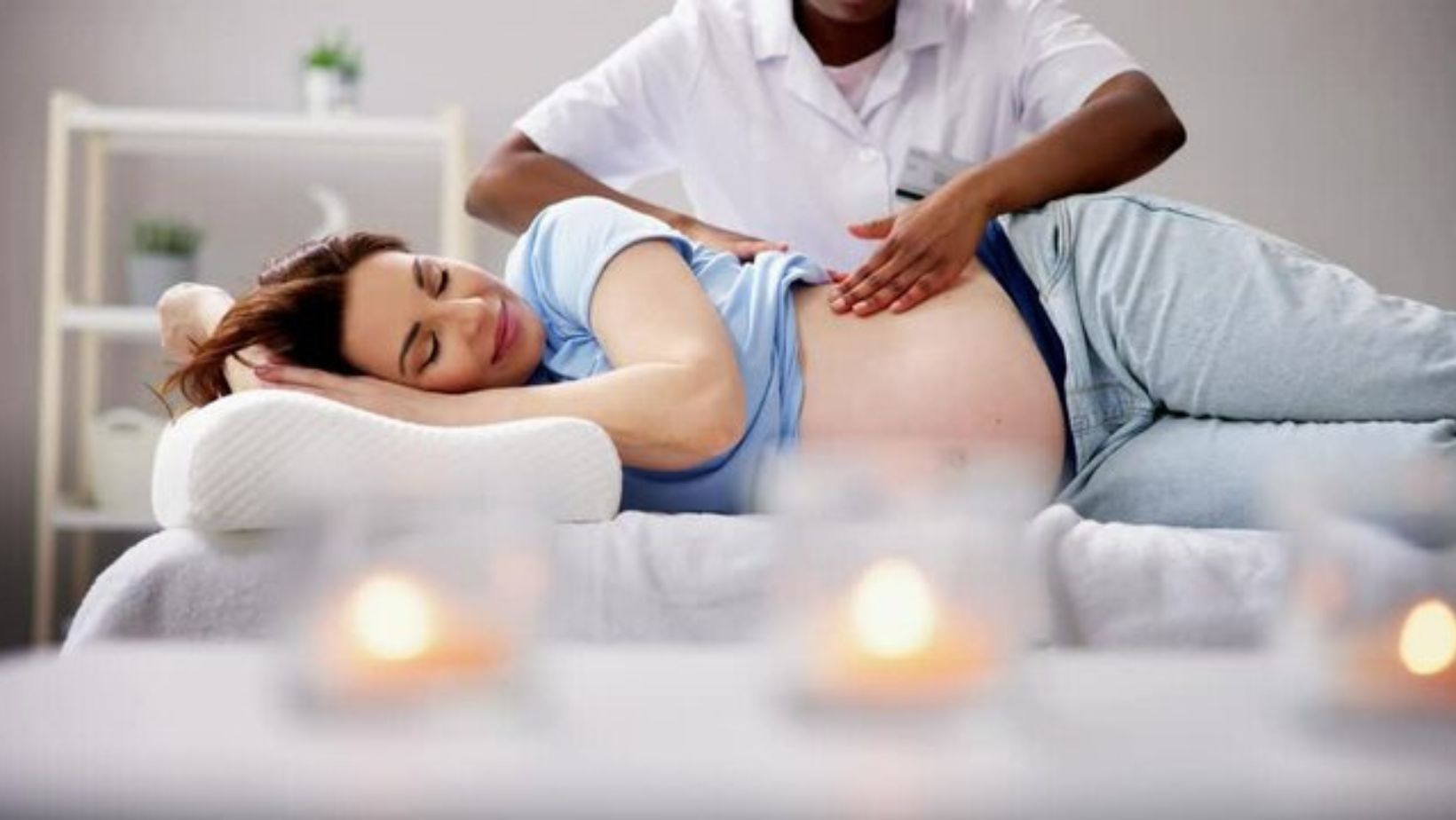
Discover how prenatal massage relieves pain, reduces stress, improves sleep, and boosts well-being. Safe techniques support both mother and baby during pregnancy.
What is Prenatal Massage?
Prenatal massage is a specialized kind of treatment given to pregnant women to enhance physical and emotional health. It employs soft methods, non-harmful positioning, and gentle pressure to ease muscle tension, reduce swelling, enhance circulation, and promote relaxation without harming either the mother or the developing baby.
Can Pregnant Women Get Massages?
Yes, women who are pregnant can safely receive massages provided that the massage is done by a trained prenatal therapist. Prenatal massage can be used to treat stress, decrease muscle tension, increase circulation, and improve sleep, though it should not be applied to sensitive parts and should be performed under medical advice to have a safe and pleasant experience.
What Type of Massage is Safe During Pregnancy?
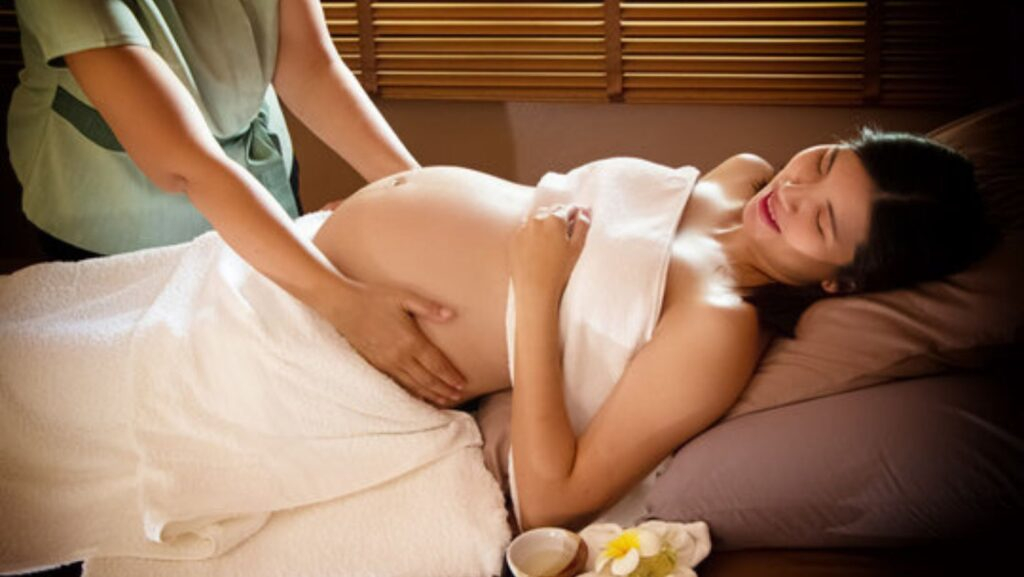
Swedish Massage
Swedish massage is the safest and most recommended during pregnancy and involves light strokes to relax muscles, enhance blood flow, reduce swelling, and provide general comfort without the use of deep pressure.
Shiatsu Massage
Shiatsu massage is a form of massage that involves finger pressure on certain points of the body to stimulate energy, alleviate tension, and reduce stress. It should be done with care during pregnancy by a trained prenatal specialist.
Targeted Neck and Back Massage
Specialized neck and back massage is aimed at eliminating some of the most prevalent pregnancy-related pain such as stiffness and pain. With light pressure, it relieves tension on the muscles of the upper body without impacting the sensitive or high-risk regions.
The Benefits of a Pregnancy Massage
Physical Benefits of a Pregnancy Massage
1. Reducing Back Pain and Joint Discomfort
Pregnancy massage can alleviate the pressure of the lower back, hips, and joints with weight gain and posture changes, and enhance the mobility and decrease the daily physical discomfort.
2. Easing Swelling and Improving Circulation
Light massage methods enhance blood circulation and lymph drainage, which reduces swelling in the legs, ankles, and feet and enhances oxygen and nutrient supply in all parts of the body.
3. Relieving Muscle Tension
Tension increases as the muscles stretch and adapt in the course of pregnancy. Massage will relax the stiff muscles, cramping, and stiffness, particularly in the shoulders and legs.
Emotional Benefits of a Pregnancy Massage
1. Reducing Stress and Anxiety
Pregnancy massage reduces the level of cortisol and enhances relaxation, thereby enabling pregnant women to feel more relaxed, balanced, and emotionally supported throughout the hormonal and lifestyle transitions.
2. Improving Sleep Quality
Massage assists in regulating sleep patterns by relaxing the body and mind; thus, pregnant women can fall asleep more easily and have a deeper and more restorative sleep.
3. Promoting Wellbeing
Regular massage promotes a feeling of overall well-being as it enhances mood, decreases fatigue, and makes mothers more at home with their changing bodies throughout pregnancy.
Why You Need a Massage During Pregnancy
Pregnancy is a burden to your body, leaving you with backaches, swollen feet, stress, and fatigue. Prenatal massage will take the stress away, increase your circulation, help maintain hormonal balance, improve sleep quality, and increase emotional well-being, and leave you feeling relaxed, comfortable, and healthier during the pregnancy process.
Steps to Getting a Massage During Pregnancy
Step 1: Consult Your Doctor
Prior to booking a prenatal massage, ask your doctor first to make sure it is safe during pregnancy and raise any medical issues or limitations.
Step 2: Choose a Certified Prenatal Massage Therapist
Choose a certified therapist who is trained in prenatal massage methods. They are aware of safe pressure, position, and trimester-specific changes to ensure the safety of mother and baby.
Step 3: Use the Right Equipment
Properly support with pregnancy pillows, bolsters, and adjustable tables. Proper positioning eases the tension on the abdomen, back, and joints during the massage.
Step 4: Avoid High-Risk Areas
Avoid deep-pressure on the abdomen, some acupressure points, and spots that are likely to swell or be damaged. These areas should be touched by the trained therapist only.
Step 5: Stay Hydrated After the Massage
Consume a lot of water to aid in flushing out the toxins and circulation. Water improves the effects of the massage, reduces swelling, and improves well-being.
What to Expect During a Pregnancy Massage
Initial Consultation
The start of your session is the short consultation with the therapist who inquires about the stage of your pregnancy, health history, areas of discomfort, and preferences in order to make sure that you have a safe, personalized, and comfortable massage.
Room Setup
The massage room is SHANTA, warm and cozy, usually with dim lighting, low-key music, and cushioning or pregnancy pillows that are specifically created to increase comfort and safety of the session.
Positioning
You would normally sleep on your side or in a semi-reclining position with pillows to support you. It is a positioning that provides appropriate blood circulation and prevents the abdomen and lower back pressure.
Techniques
The therapist employs low and slow strokes and light pressure and concentrates on such areas as the back, hips, legs, and shoulders without targeting any sensitive pressure points or deep tissue techniques.
Communication
During the session, open communication is promoted. Your level of comfort, pain points, or issues can be communicated at any time, and the therapist will modify the pressure, technique, or position to produce the best results of safety and relaxation.
Massages to Avoid During Pregnancy
1. Deep Tissue Massage on Sensitive Areas
Deep tissue massage is a vigorous pressure that can be not safe on the delicate parts of the body, such as the stomach and the lower back, as well as the legs. High-pressure may be uncomfortable, influence circulation, and be harmful during pregnancy, and lower-intensity methods are preferred instead.
2. Full-Body Hot Stone Massage
Full-body hot stone massage uses hot stones that have the capacity to increase body temperature, which is not safe during pregnancy. Overheating can occur in both the mother and the baby, and this form of massage is normally avoided altogether.
3 Areas to Avoid Massaging During Pregnancy
1: Your Belly
Direct pressure on the abdomen is not allowed in cases of pregnancy, as it is very sensitive. Light massage might be ok but deep massage might produce pain and unwarranted danger.
2: Your Legs
Leg rubbing is not to be done carelessly because it is more likely to cause blood clots. The deep pressure is not always safe, and therefore, light and gentle strokes should be used when needed.
3: Your Pressure Points
Some pressure points, particularly around the ankles and wrists, can induce uterine activity. Only trained prenatal massage professionals should work in these areas or not.
Tips for a Safe Prenatal Massage Experience
Choosing the Right Therapist
Choose a registered prenatal massage therapist who has experience in meeting the needs of the trimester and medical conditions.
Proper Positioning During Massage
Take side-lying positions with pillows to support the belly, hips, and knees. In the later trimesters should avoid lying flat on the back.
Communication Is Key
Disclose pain, discomfort, and medical conditions to the therapist. Constant communication provides a safe and comfortable experience.
DIY Massage Tips for Pregnant Women at Home
Safe Self-Massage Techniques
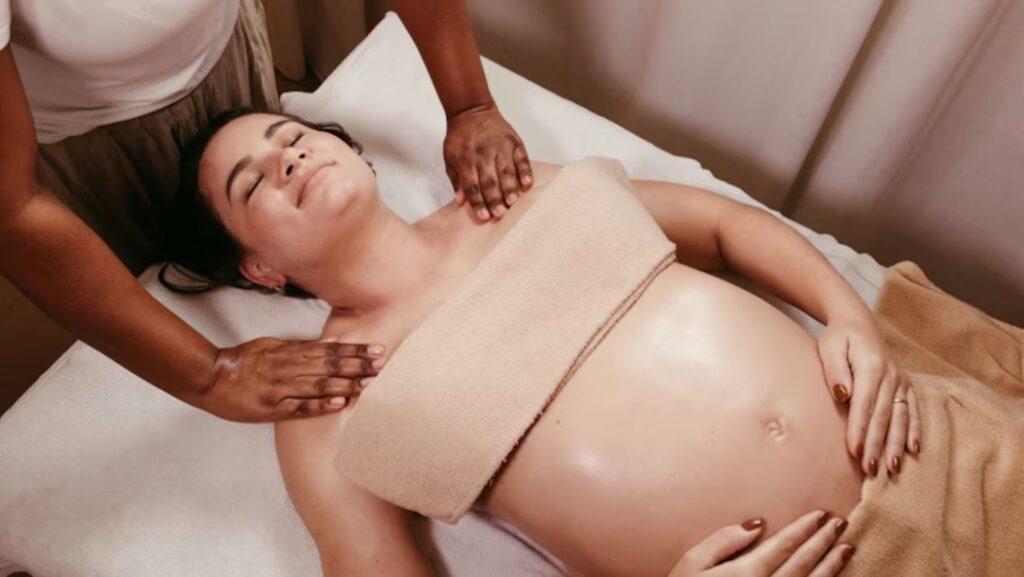
- Apply a tennis or massage ball to the back and legs to relieve them.
- Use light circular movements on the shoulders and neck in order to relieve tension.
Partner-Assisted Massage Tips
- Focus on the lower back, shoulders, and calves.
- Do not press on the painful area; keep in contact to keep it comfortable.
FAQs
Is massage safe in all trimesters?
Generally, massage is safe after the first trimester; however, it is always important to consult your doctor, especially with high-risk pregnancies or complications.
Can massage help with swelling?
Yes, soft prenatal massage enhances the flow of blood, decreases the levels of fluid retention, and may alleviate the swelling of the legs, feet, and hands.
Conclusion
Prenatal massage delivers safe and effective treatment for back pain, swelling, stress, and fatigue. The treatment improves circulation, sleep, and emotional well-being and total body comfort when a certified therapist performs it with proper safety measures, because it enables pregnant women to achieve better health and relaxation and support during their entire pregnancy.