

Discover how massaging sore muscles helps relieve pain, reduce stiffness, improve circulation, and speed recovery, promoting overall muscle health and relaxation.
Introduction to Muscle Soreness
The soreness of the muscle is a natural experience, particularly after engaging in exercise, physical work, or attempting a new activity. It may be mild discomfort or severe stiffness that can occur in movement and everyday activities. It is important to know why muscles get sore to identify the right methods of healing.
What Causes Muscle Soreness?
Soreness in the muscle normally arises because of small ruptures in the muscle fibres when exercising. This is particularly prevalent when working out intensively or in an unfamiliar exercise. These micro-tears are repaired, and, with time, make muscles harder, but the process results in inflammation and pain.
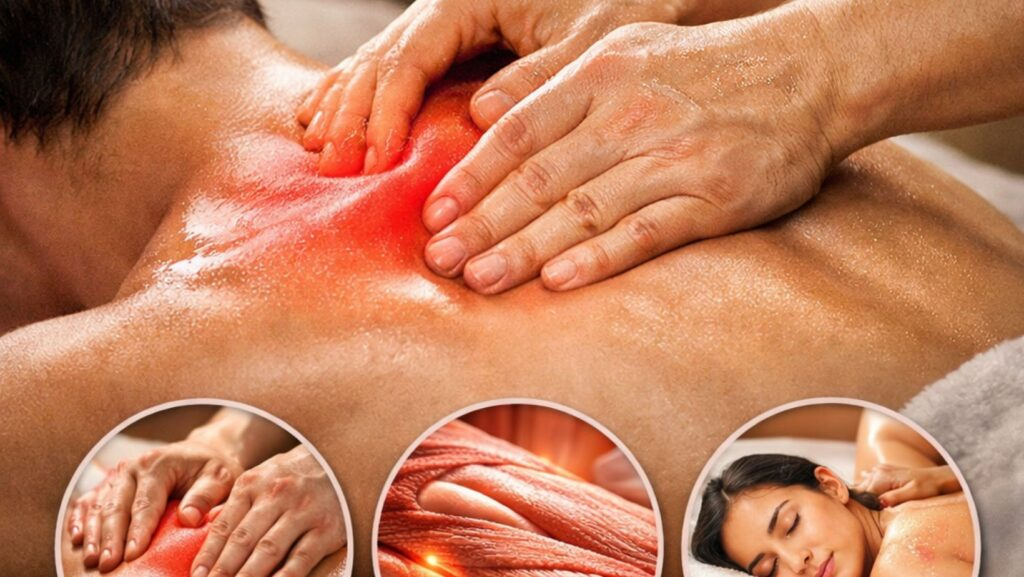
Types of Muscle Soreness
Depending on timing, intensity, and cause, muscle soreness can be classified into various types. Knowledge of such types can be used to effectively control pain and select appropriate recovery techniques.
Acute Soreness
Acute pain occurs during or right after exercise. It is brought about by muscle fatigue and lactic acid accumulation, which causes short-term discomfort that tends to disappear in a short time.
Delayed Onset Muscle Soreness
Delayed onset muscle soreness appears 12–48 hours after exercise. Microscopic damage to muscles causes stiffness, tenderness, and decreased strength during recovery.
Chronic Pain
Chronic muscle pain lasts for weeks or longer and often results from overuse, injury, or medical conditions. Professionals frequently treat it, and careful management approaches help relieve it.
Does Massaging Sore Muscles Help?
Yes, massaging aching muscles is assistive in most instances. It enhances the blood flow, decreases pressure, and contributes to quicker healing. It must, however, be done carefully and not in extreme injuries or inflammation, since too much pressure may bring about more pain rather than alleviate it.
How Massage Affects Muscle Tissue
Massage acts by pressing muscle fibers, which will help:
- Relax strained muscles.
- Break up adhesions (knots)
- Improve tissue elasticity
This physical manipulation may assist in the relaxation of muscles and their performance.
Role of Blood Circulation in Recovery
Massage enhances blood circulation in the part. Better circulation means:
- An increased amount of oxygen is supplied to the muscles.
- Increased elimination of waste products.
- Enhanced healing process
Impact on Inflammation
Massage can be useful in decreasing inflammation as it affects the immune system of the body. Research indicates that it can reduce inflammatory indices and enhance quicker muscle healing.
How Massage Helps Sore Muscles
1. Improves Blood Circulation
Massage increases the circulation of blood to the area. Higher circulation aids in supplying oxygen and important nutrients to injured muscle tissues, which enhances healing. It also aids in eliminating metabolic waste products such as lactic acid, which may cause soreness.
2. Reduces Muscle Tension
Muscles tend to be tight and stiff when they are sore. Massage is effective in relaxing the muscle fibers and decreasing tension, as well as enhancing flexibility. This may facilitate movement and reduce pain.
3. Decreases Inflammation
It has been proposed that massage can be used as a way of decreasing inflammation by affecting the immune system of the body. Reduced levels of inflammation may result in faster recovery and reduce pain.
4. Relieves Pain
The pressure receptors below the skin are triggered by massage, and this may help prevent the transmission of pain to the brain. This is a natural painkiller that can leave sore muscles feeling much better.
5. Enhances Lymphatic Drainage
The lymphatic system aids the body in getting rid of toxins and waste. Massage aids in the lymphatic circulation, which reduces swelling and accelerates the healing process.
6. Promotes Relaxation and Reduces Stress
Soreness in muscles is not merely physical, but can also be in your mood. Massage facilitates the secretion of endorphins (feel-good hormones) and reduces cortisol (stress hormone), making you feel more relaxed and comfortable.
Common Reasons for Sore Muscles
The soreness of muscles may occur because of daily habits and physical exercises. Determining the cause will aid in avoiding discomfort and will aid in enhanced recovery and muscle health in the long term.
Sleeping in the Wrong Position
Overnight sleep in an awkward or unsupportive position may overstretch muscles. Sleep posture can result in stiffness, discomfort, and soreness, particularly in the neck, shoulders, and back.
Repetitive Movements
Repeating the same motion may overstrain certain muscles. This results in fatigue, irritation, and soreness, which are usually observed in work or other activities that need constant physical exertion.
Awkward Movements
The abrupt or unnatural movements may cause strain on muscles and joints. This can lead to a slight strain in the muscles, resulting in soreness, stiffness, and decreased flexibility later.
Extending Your Reach
Stretching or overstretching may overstretch muscles to a level that they are not comfortable with. This may lead to temporary muscle injury and pain, particularly on arms, shoulders, and back.
Starting a New Routine
The initiation of a new exercise or physical activity puts unused muscles to the test. This often leads to delayed pain when muscles are accustomed to the high stress and new movements.
Benefits of Massage Therapy for Sore Muscles
Massage therapy of sore muscles enhances blood circulation, lessens rigidity, and loosens taut muscle fibers. It assists in reducing inflammation and pain, and enhancing quicker healing following physical exercise. Regular massage also increases flexibility, reduces stress, and improves overall muscle health, making it an effective technique for recovery and physical well-being.
Types of Massages for Muscle Soreness
Various types of massage methods can assist in alleviating muscle pains through enhancing circulation, tension, and relaxation. The selection of the appropriate type will depend on the level of pain, activity, and recovery requirements.
1. Swedish Massage
Swedish massage involves the use of smooth and flowing actions to calm the muscles and enhance blood flow. It is best used in case of mild pain, relieving stress, and overall rest.
2. Deep Tissue Massage
Deep tissue massage is applied to deep layers of muscle tissue with heavy pressure. It assists in the elimination of chronic tension, knots, and alleviates severe soreness due to strenuous physical activity.
3. Sports Massage
Sports massage targets sportspeople and active people. It works on preventing injuries, enhancing performance, and accelerating recovery by minimizing muscle tightness and soreness.
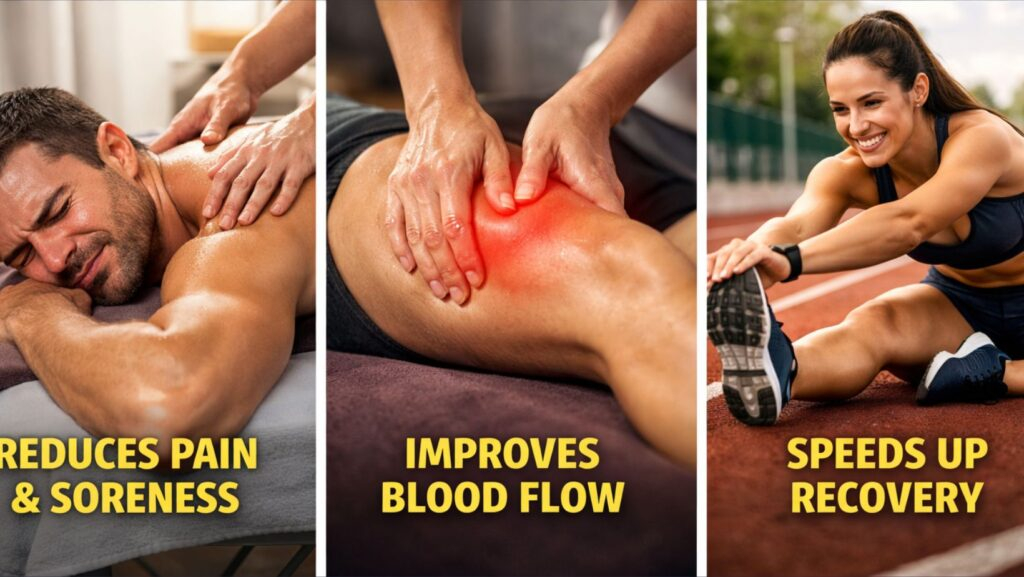
5 Ways Massage Therapy Can Reduce Pain And Muscle Soreness
Decrease Taut Muscle Fibres and Fascia
Massage therapy relaxes tight muscle fibers and fascia, decreases tension, enhances flexibility, and eliminates stiffness, enabling muscles to move more effectively and comfortably.
Enhancing Circulation
Massage improves the circulation of blood to the muscles that are in pain, transporting oxygen and nutrients to them and removing the waste products from the muscles and speeding up the process of the body’s natural healing, resulting in quicker recovery.
Massage Relieves Strain and Anxiety
Massage therapy relieves physical tension as well as mental tension by easing the tension in muscles, reducing cortisol, and giving a feeling of relaxation and overall well-being.
Advanced Relaxation for Healing
The massage process helps in deep relaxation that reduces muscle tension, tissue repair, and faster recovery, as well as promoting a restorative state of body and mind.
Massage Can Enhance Your Immune Feature
Regular massage may enhance immune functions, lower stress hormones, increase lymphatic flow, and help to combat infection and keep the body in good health.
DIY Massage vs Professional Therapy
Pros and Cons of Self-Massage
Pros:
- Easy and cost-effective
- Can be performed at any time
- Ideal for regular upkeep
Cons:
- Lack of penetration and effectiveness
- Difficult to exert proper pressure
Benefits of Professional Massage
- Advanced skills and expertise
- More precise treatment of problem spots
- More effective for deep muscle problems
FAQs
Yes, massage therapy may cause more soreness when excessive force is used during the procedure, or the muscles have been hurt, become inflamed, or have not had adequate time to heal properly.
Yes, a light massage after exercise will help relax your muscles and increase blood flow in them. However, you shouldn’t use deep massage techniques right after exercise when your muscles are still tired.
While massage therapy cannot eliminate lactic acid from the muscles, what it can do is enhance blood circulation to facilitate the removal of metabolic waste products from the body.
Conclusion
Massaging sore muscles demonstrates three benefits because it reduces tension and eases pain while accelerating recovery through improved circulation and flexibility. The method enables relaxation while it reduces inflammation, and it helps to maintain complete muscle functionality when applied according to correct procedures. The combination of massage with rest, hydration, and proper nutrition leads to optimal recovery and enduring health benefits.