What is cupping massage? Discover its benefits, types, side effects, and how this ancient therapy improves circulation, relieves pain, and boosts wellness.
What is Cupping Massage?
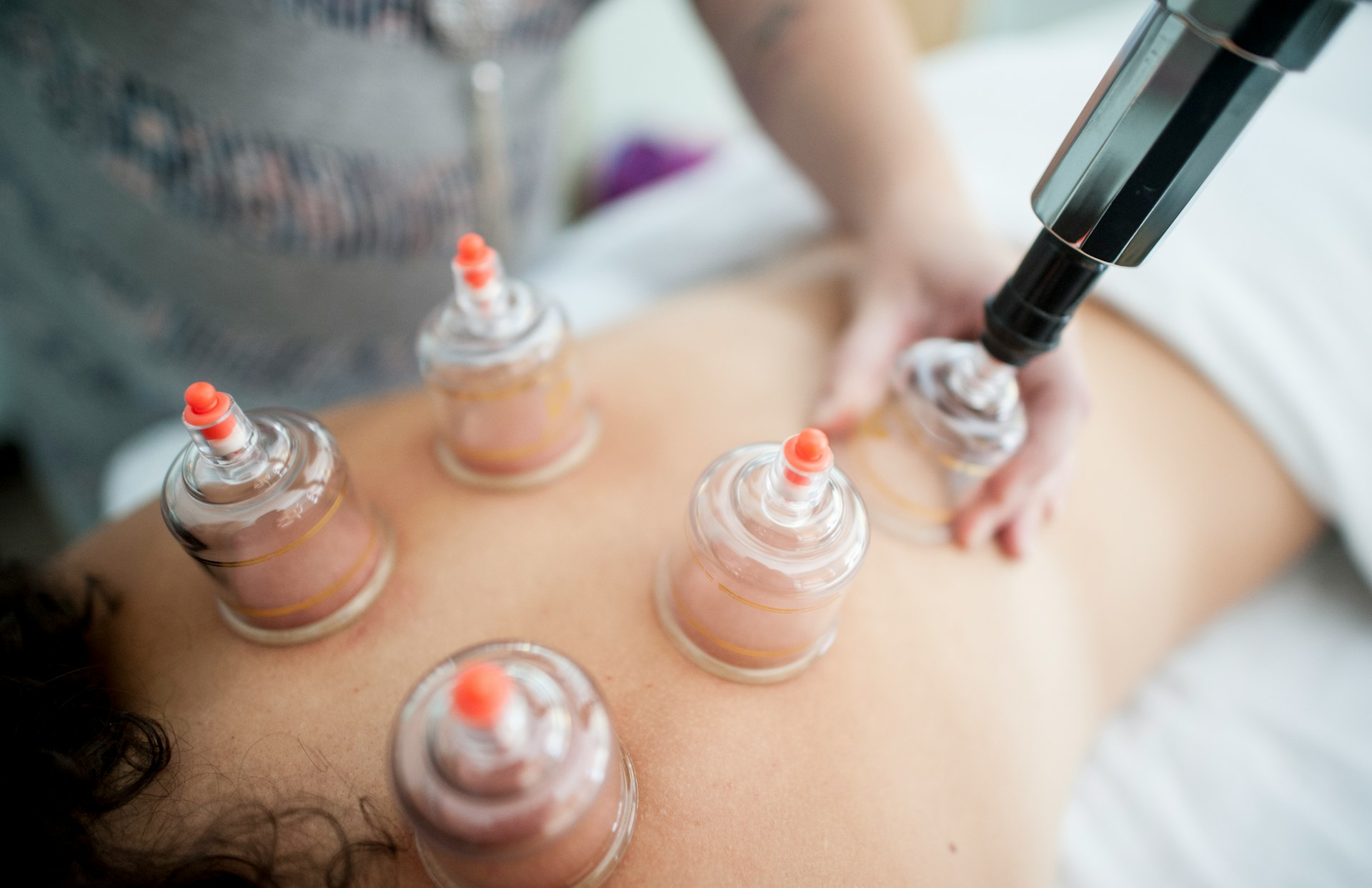
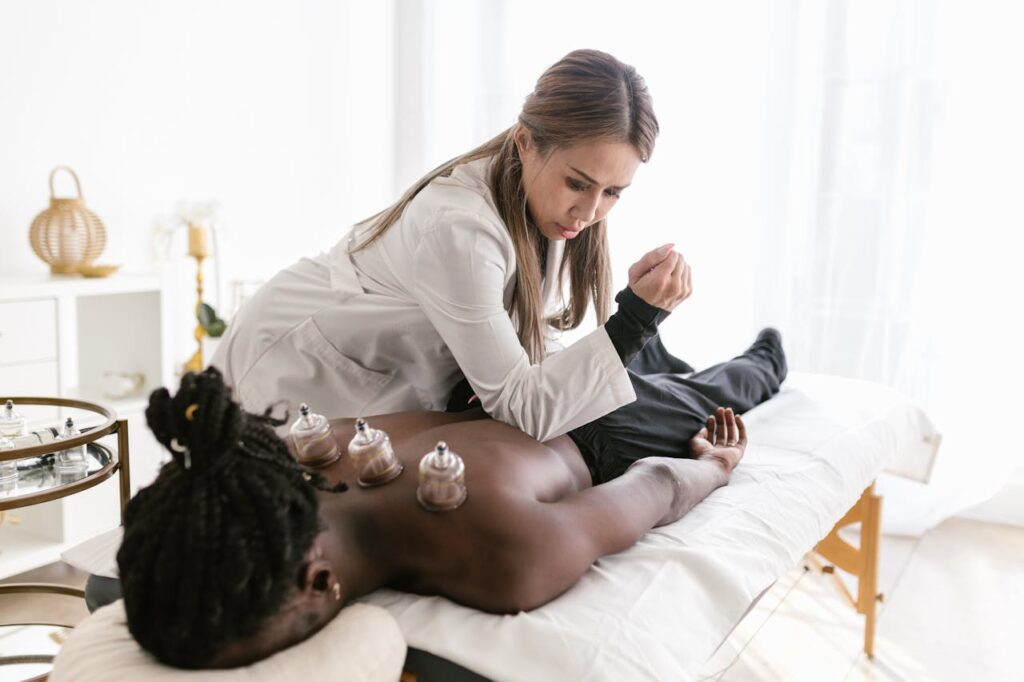
Cupping massage is an ancient healing method that uses special cups that create suction when they touch the skin. The suction lifts both the skin and its deeper tissues, which results in improved blood circulation and reduced muscle tension and active support for natural body healing. The treatment has gained international popularity in alternative medicine and wellness practices.
History and Origin of Cupping Massage
Cupping therapy dates back to ancient times, when it developed from traditional healing practices of Chinese medicine, Middle Eastern medicine, and Egyptian medicine.
Ancient doctors used cupping as a treatment method because they believed it could restore energy balance while helping people detox their bodies and achieve better health results.
The treatment has developed into a contemporary wellness practice that medical facilities, spa centers, and athletic therapy centers use.
Types of Cupping Massage
1. Dry Cupping
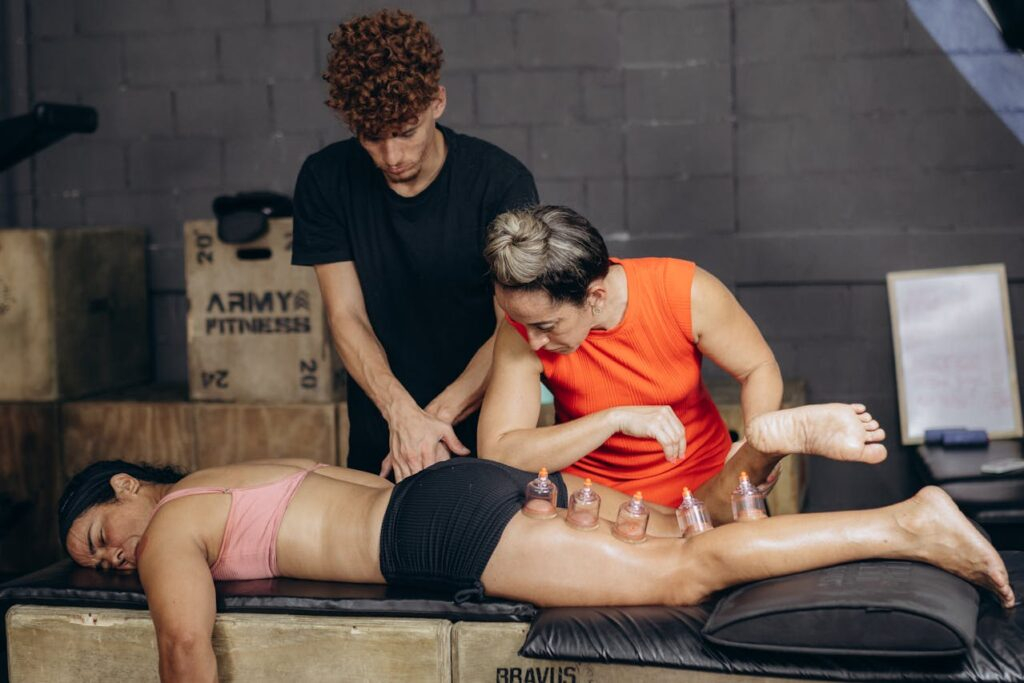
The standard procedure requires practitioners to place cups directly on the skin without making any cuts. This therapy method helps patients improve their blood flow while decreasing their muscle stiffness.
2. Wet Cupping
The procedure, which people call “hijama,” starts with doctors making tiny cuts in the skin for blood extraction through suction. The process functions to eliminate waste materials and harmful substances from the body.
3. Moving (Massage) Cupping
The technique starts with oil application onto the skin before practitioners use cups to move across various body sections. The method produces a massage effect which helps to relax muscles.
4. Fire Cupping
The process starts with a brief flame application to create suction inside glass cups, which workers use to treat patients on their skin. The traditional technique continues to be used by numerous societies throughout the world.
What Are the Potential Benefits of Cupping Therapy?
The following list shows the potential advantages that come from cupping therapy.
Improved Blood Circulation
Cupping therapy uses suction to create a vacuum, which leads to better blood circulation through the skin. The improved blood circulation system delivers oxygen together with nutrients to body tissues, which results in healing, decreased inflammation, and enhanced body functions.
Muscle Tension Relief
The suction effect helps loosen tight muscles and fascia, which leads to reduced stiffness and improved flexibility. The treatment helps individuals who frequently experience muscle tightness because it enables them to regain their natural body movements.
Detoxification
Cupping helps detoxify the body by promoting lymphatic drainage, which supports the natural detoxification process. The body uses this process to eliminate harmful substances while toxins build up, which helps to maintain internal equilibrium and benefits health and energy levels.
Pain Relief
Cupping therapy functions as a pain relief method that works by enhancing blood flow while helping muscles to relax. The procedure provides effective treatment for back pain, neck pain, and joint discomfort without using any surgical methods.
Stress Reduction and Relaxation
The process of gentle pulling creates a relaxing feeling, which helps the body reach deep relaxation while it calms down its nervous system. The process helps people to handle their stress better, which results in both physical and mental health benefits.
Enhanced Skin Health
Cupping enhances skin health because it increases blood circulation while promoting skin cell renewal. The treatment provides benefits for acne, scars, and dull skin, which makes the skin appear healthier and more vibrant.
Boosted Immune System
Cupping improves blood circulation, which activates the lymphatic system to strengthen immune defenses. The body uses this process to fight infectious diseases while it maintains its overall wellness.
What type of cups do they use?
Mostly, the providers use either glass or plastic cups, although the cups may also be made of:
Glass Cups
Glass cups are common when applying the traditional method of cupping therapy, especially fire cupping. Glass enables the practitioner to apply suction via heat and provides a hard cup that is easier to sterilize.
Plastic Cups
Plastic cups are most used in modern cupping therapies, and they use hand pumps to apply suction. They provide a safer approach, greater control of suctioning, are lightweight, and beginner-friendly.
Bamboo Cups
Bamboo cups are ancient tools made of bamboo and used in eco-friendly cupping treatments. They are lightweight, but not many practitioners use them since they break easily and do not ensure consistent suction.
Ceramic Cups
Ceramic cups are also made of porcelain clay and used in cupping treatments. They provide sufficient suction due to their hardness and ability to hold heat for prolonged periods; however, they are too heavy for the patient.
Metal Cups
Metal cups are most known for their durability, providing long-term use. Metal allows great control over suction, but its weight is a disadvantage in the treatment process.
Silicone Cups
Silicone cups are flexible and easy to squeeze, making them the best choice when applying moving cupping massage. Their softness makes them beginner-friendly and easy for home application.
What to Expect During a Session
A typical cupping massage session lasts between 15 and 45 minutes. The therapist will:
- Apply oil (for moving cupping)
- Place cups on the skin
- Adjust suction intensity
- Leave cups in place or move them gently
The skin develops circular marks after the session ends. The skin displays temporary color changes that arise from increased blood flow but do not result in actual bruises, and these changes will disappear within three days.
Who performs cupping therapy?
Healthcare professionals trained in cupping therapy operate their profession through various methods, each practitioner brings to their specific treatment method.
Acupuncturists
Acupuncturists use cupping therapy as a standard treatment method in traditional Chinese medicine. The practitioners apply this technique together with acupuncture to achieve energy balance, pain reduction, and body equilibrium restoration.
Chiropractors
Chiropractors may use cupping therapy to complement their spinal adjustment procedures. The treatment provides muscle tension relief and circulatory enhancement while it maintains back neck joint health for people who experience these conditions.
Massage Therapists
Most times, when performing massages, massage therapists incorporate cupping into their practices because it increases muscle relaxation. The movement of cupping will assist in releasing the tension on the muscles and increase blood circulation.
Medical Doctors
Medical practitioners who have received training in complementary medicine sometimes perform cupping therapy. In such cases, they advise on its application in relieving pain and inflammation or aiding recovery to ensure safety and consistency with the medical plan.
Physical Therapists
Therapists can include cupping therapy in their rehabilitation processes. It aids in enhancing mobility, reducing muscle tension, and facilitating recovery from injuries by boosting blood flow and tissue regeneration.
Who Should Avoid Cupping Therapy?
People with skin infections, open wounds, or bleeding disorders should avoid cupping therapy. Pregnant individuals and those with serious medical conditions should consult a healthcare professional first. The proper guidance provides safety measures that stop unwanted problems and assist health professionals in deciding whether cupping massage suits their patients’ medical conditions.
How long does it take for cupping therapy to work?
Cupping therapy provides immediate effects that help with relaxation and pain relief, but requires multiple sessions for deeper advantages. People typically experience progress after a few days, which depends on their medical condition, body reaction, and treatment schedule.
Side effects of cupping therapy
The side effects of cupping therapy can include the following:
Skin Irritation
Skin irritation may occur after cupping therapy, causing redness, sensitivity, or itching. The condition usually resolves itself within two days, but the skin requires soothing creams when it develops excessive sensitivity.
Infection
Infection is a possible risk, especially in wet cupping if proper hygiene is not followed. The use of sterile equipment together with trained professionals leads to a substantial decrease in bacterial contamination and subsequent medical complications.
Scarring
Scarring can occur in rare cases, particularly with aggressive suction or improper technique. Cupping marks will eventually disappear on their own, but improper treatment methods will result in permanent skin damage.
Discomfort
People experience both discomfort and pain during their cupping therapy sessions. The body experiences this sensation, which disappears as muscles relax, and the body adapts to the state.
Is Cupping Massage Safe?
Cupping therapy can be considered safe when done by professionals. Side effects that may arise during cupping include the following:
- Irritation of the skin
- Discoloration of the skin
- Discomfort
- Risk of getting infections (wet cupping)
Some patients may need to seek advice from their doctors before going for cupping due to various underlying health problems.
Modern Popularity of Cupping Massage
In recent years, cupping has become a popular practice because athletes and celebrities have demonstrated it to the public. Wellness centers, physiotherapy clinics, and spas now provide cupping as an essential element of their comprehensive health services.
Conclusion
Cupping massage functions as an effective natural treatment that promotes bodily healing, mental calmness, and complete health development. The practice has spread worldwide because it offers multiple approaches and beneficial effects to users. Cupping becomes an effective treatment when trained professionals execute it according to safety protocols, which modern healthcare practices and personal wellness methods use.