
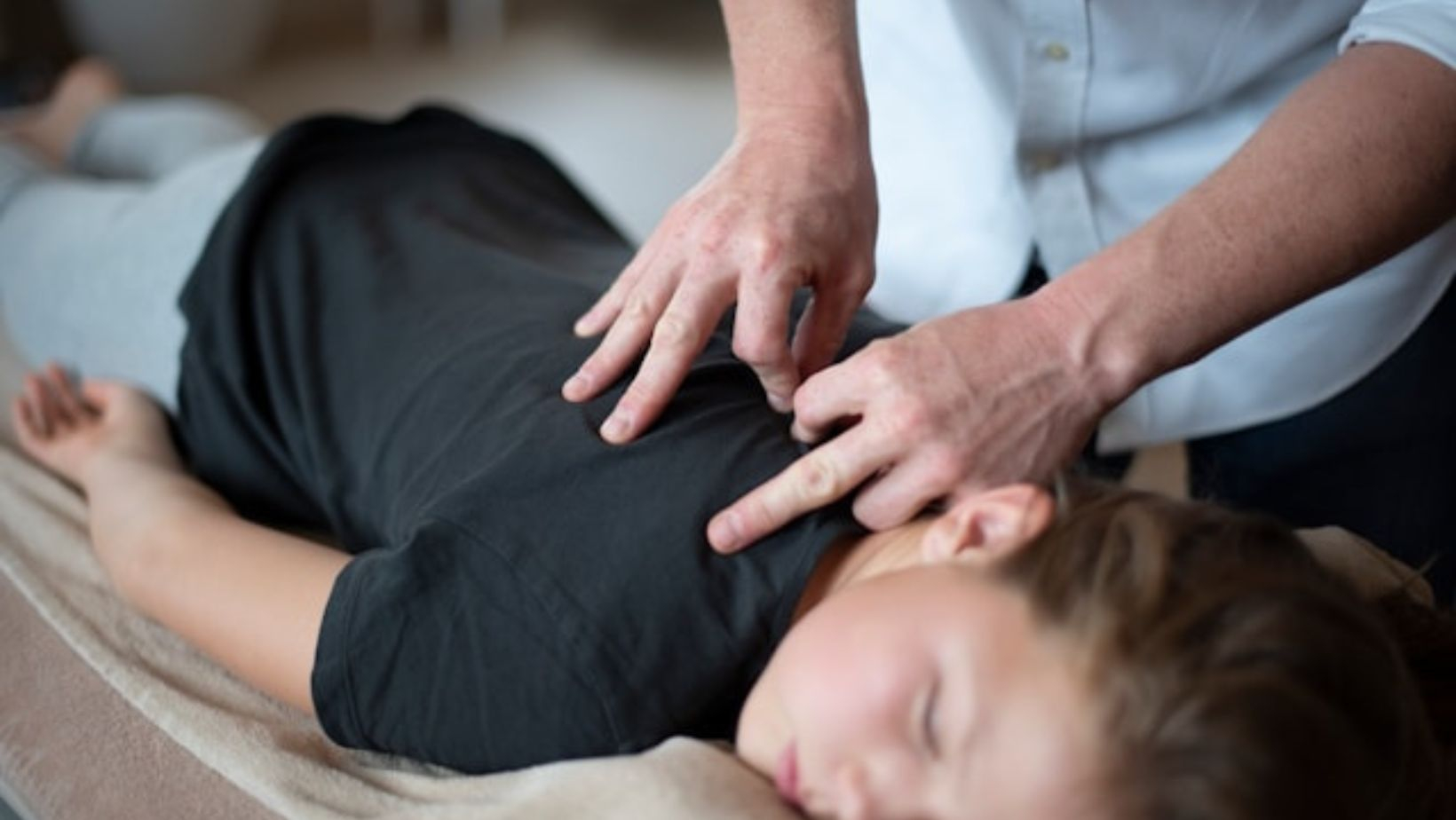
Discover how massage therapy helps sciatica by reducing pain, improving circulation, and increasing flexibility for faster relief and better mobility.
Introduction to Sciatica and Massage Therapy
Sciatica is a disease that afflicts millions of people all over the world, leading to pain, numbness, and discomfort along the sciatic nerve. Natural and non-invasive therapy, such as massage, is sought by many people to help in the management of symptoms. The connection between sciatica and massage can be understood to make informed choices concerning pain reduction and general well-being.
What is Sciatica?
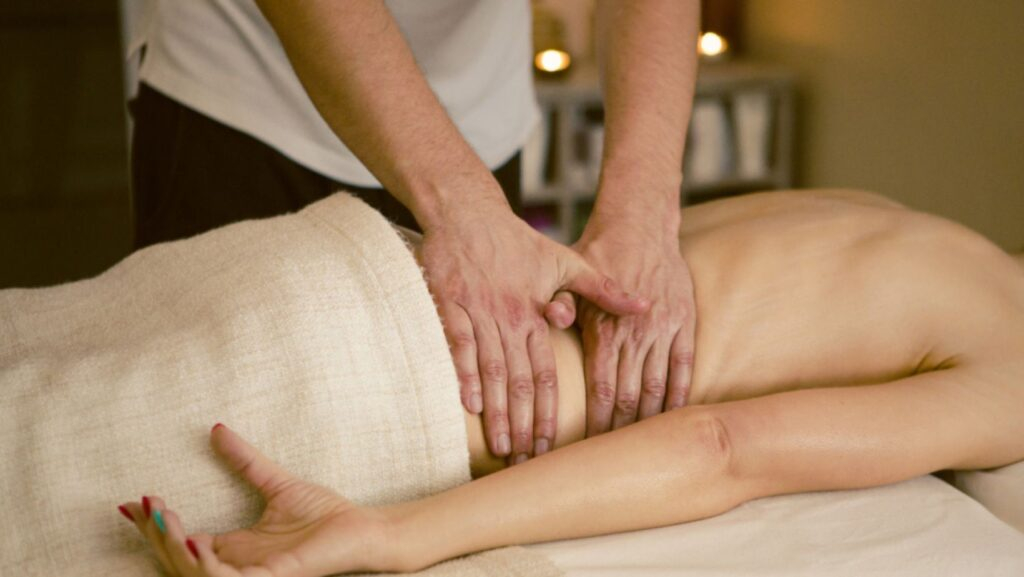
Sciatica is a disease that is brought about by irritation or compression of the sciatic nerve, the longest nerve of the body that extends down the hips and legs to the lower back. It occurs on one side of the body and may be mildly or severely debilitating.
Common Causes of Sciatica Pain
Sciatica is frequently caused by underlying spinal or muscular problems, including:
- Slipped or herniated discs.
- Spinal stenosis (similar to the narrowing of the spine)
- Piriformis syndrome
- Degenerative disc disease
- Injury or trauma
The sciatic nerve can be strained under these conditions that cause pain and inflammation.
Symptoms That Affect Daily Life
Sciatica may cause people to have:
- Pain in the leg or lower back, sharp or burning.
- Tingling or numbness
- Muscle weakness
- Problems with sitting, standing, and walking.
These symptoms may have a vast influence on the mobility and quality of life.
What is Massage Therapy?
Massage therapy is a hands-on therapy that involves the manipulation of muscles, soft tissues, and joints to alleviate tension, pain, enhance circulation, as well as relaxation. It is commonly applied in relieving stress, recovery of injuries, and improvement of the overall physical and mental health after a variety of special methods are applied.
Massage Techniques For Sciatica Pain Relief
Myofascial release
Myofascial release is a lighter stretching and loosening of tight connective tissue surrounding muscles, which reduces pressure on the sciatic nerve, enhances movement, alleviates pain, and restores normal movement patterns.
Sacrum pressure relief
Sacrum pressure relief is done by placing mild and sustained pressure on the sacral region to alleviate tension, enhance alignment, decrease nerve compression, and enhance relaxation of the lower back.
Gluteus minimus massage
Massage of the gluteus minimus muscles gets to deep hip muscles that tend to squeeze the sciatic nerve, and they release tightness, relieve referred pain, and enhance the circulation and normal muscle performance.
Greater trochanter elbow glide
Greater trochanter elbow glide involves the application of controlled pressure of the elbow over the bony part of the hip to loosen tension of muscles, enhance tissue mobility, decrease inflammation, and relieve irritation of the sciatic nerve.
Gluteus maximus petrissage
Gluteus maximus petrissage involves kneading to help raise and compress the muscle tissue and enhance blood flow, decrease stiffness, eliminate deep tension, and decrease pressure on the sciatic nerve.
Manual knee manipulation and glute/hamstring massage
Knee manipulation with glute and hamstring massage is a manual technique that enhances knee mobility, makes the muscles less tight and more flexible, and reduces strain along the sciatic nerve pathway effectively.
Soleus and gastrocnemius thumb massage
Soleus and gastrocnemius thumb massage: massage of calf muscles with rigorous hand pressure with the thumb, decreases tightness, enhances circulation, decreases tension in the lower leg, and helps to decrease sciatic pain in general.
IT band forearm massage
Forearm massage of the IT band uses a firm sweeping pressure along the outside of the thigh, which results in decreased tightness, enhanced flexibility, a decrease in tension on the muscles surrounding the area, and the elimination of sciatic pain.
Can Massage Help Sciatica?
Yes, massage may also be used to treat sciatica by reducing muscle tension, enhancing blood flow, and relieving the pressure on the sciatic nerve. It helps to relax, relieve pain, and improve mobility. Although massage therapy does not cure, it can help in the process of recovery, and it can be used effectively together with stretching, exercise, and proper medical care.
What’s the best type of massage for sciatica?
1. Deep Tissue Massage
Deep tissue massage attacks the deeper layers of the muscle to release chronic tension and knots so that the pressure on the sciatic nerve is lessened and the mobility is increased to ensure permanent pain relief.
2. Swedish Massage
Swedish massage is a gentler massage that enhances circulation, relaxes muscles, and reduces stress; thus, it is the best for mild sciatica and general body relaxation and comfort.
3. Neuromuscular Massage
Neuromuscular massage is oriented on trigger points and nerve compression, which is important in releasing tight muscles, enhancing nerve activity, and alleviating sciatic pain that is brought about by muscular imbalances.
4. Myofascial Release
Myofascial release works on connective tissues to lessen tightness and stiffness, enhance flexibility, and place strain on the sciatic nerve to enhance movement and relieve pain.
5. Hot Stone Massage
Hot stone massage is a massage technique that involves the use of hot stones to loosen tight muscles, enhance blood circulation, and alleviate the inflammation process to relieve sciatic nerve pain and stiffness.
Benefits of Massage for Sciatica
Improves circulation
Massage therapy increases blood circulation to the injured muscles and tissues to supply oxygen and nutrients that aid in healing. Improved circulation will also reduce inflammation and stiffness that come along with sciatic nerve pain.
Reduces stress
Massage also relaxes the nervous system and reduces stress hormones, which contribute to increased pain perception. It helps to relieve physical tension and mental stress associated with chronic sciatica pain through relaxation.
Improves flexibility
Regular massage loosens tight muscles and connective tissues, increasing range of motion. Reduced stiffness and pain, along with more comfortable movements without pain, are achieved due to better flexibility and reduced pressure on the sciatic nerve.
How Massage Therapy Helps Sciatica
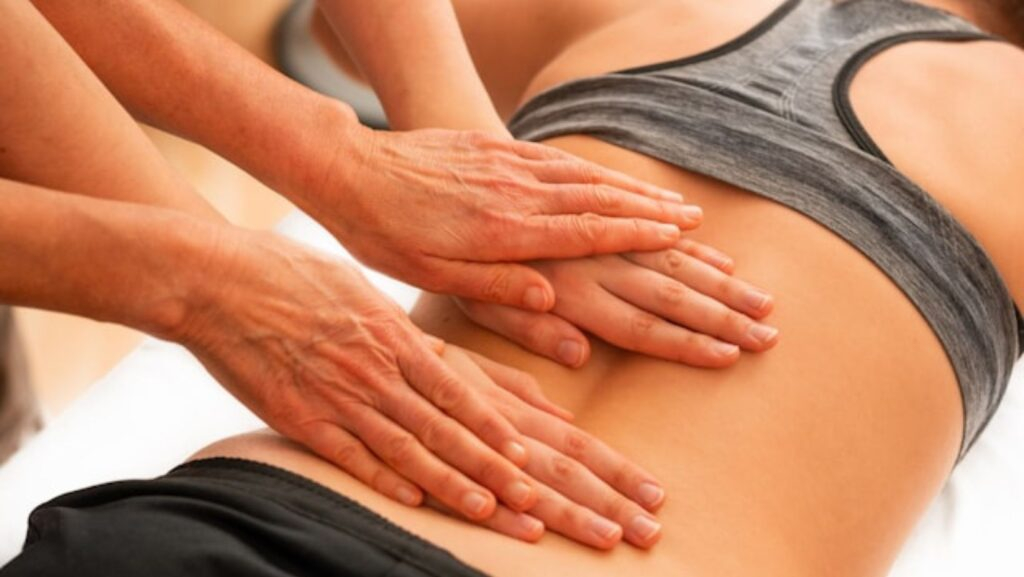
1. Relieves Muscle Tension
The tight lower back, hip, and buttock muscles are relaxed in a massage, which takes off pressure on the sciatic nerve and alleviates pain, stiffness, and restriction of movements effectively.
2. Improves Blood Circulation
Massage stimulates the circulation of blood to the affected regions, which supply oxygen and nutrients to facilitate healing, relieve swelling, and enhance the healing process of sciatic nerve irritation and pain.
3. Reduces Pain Naturally
Massage promotes the release of endorphins, the natural painkiller of the body, which helps to reduce the pain perception, decrease stress, and develop a calming and relaxing effect that relieves the symptoms of sciatica significantly.
4. Breaks Down Scar Tissue
Massage will also help dissolve scar tissue and adhesions created by the constant tension, and enhance the flexibility of the tissues, decrease stiffness and pressure, which can add to the sciatic nerve pain.
5. Enhances Mobility and Flexibility
Flexibility and range of movement. This is because regular massage can help in making everyday movements easier, reduce stiffness, and improve posture and physical functioning in individuals with sciatica.
When Massage Works Best for Sciatica
Massage therapy suits best when the muscles are the source of sciatica, such as the piriformis syndrome. It is also capable of assisting in the recovery, given the combination of other therapies such as physical therapy, stretching, and posture.
When to Be Cautious
Massage is not appropriate in all situations. Avoid or see a medical professional when:
- You are badly compressed.
- Pain is severe or progressive.
- There is an inflammation or an injury that has just happened.
- You lose the ability to control your bladder or bowel (immediate medical assistance needed)
Combining Massage with Other Treatments
Physical Therapy
Physical therapy is an additional treatment method to massage because it reinforces the muscles of the core, enhances posture, and treats the structural causes of sciatica.
Exercise and Stretching
Light exercises such as yoga or swimming can alleviate sciatic nerve pressure.
Lifestyle Changes
Sciatica can be prevented by maintaining good posture, breaking the sitting habit in long chairs, and using ergonomic furniture.
Conclusion
Massage therapy provides effective relief from sciatica symptoms through its ability to decrease muscle tension, boost blood flow, and increase body flexibility. The combination of regular massage with exercise and stretching and medical guidance helps people recover from their condition while reducing their pain and increasing their ability to function in everyday life.