Discover Hawaiian massage (Lomi Lomi), its traditional techniques, relaxation benefits, session duration, and differences from other popular massage styles.
What Is Hawaiian Massage?
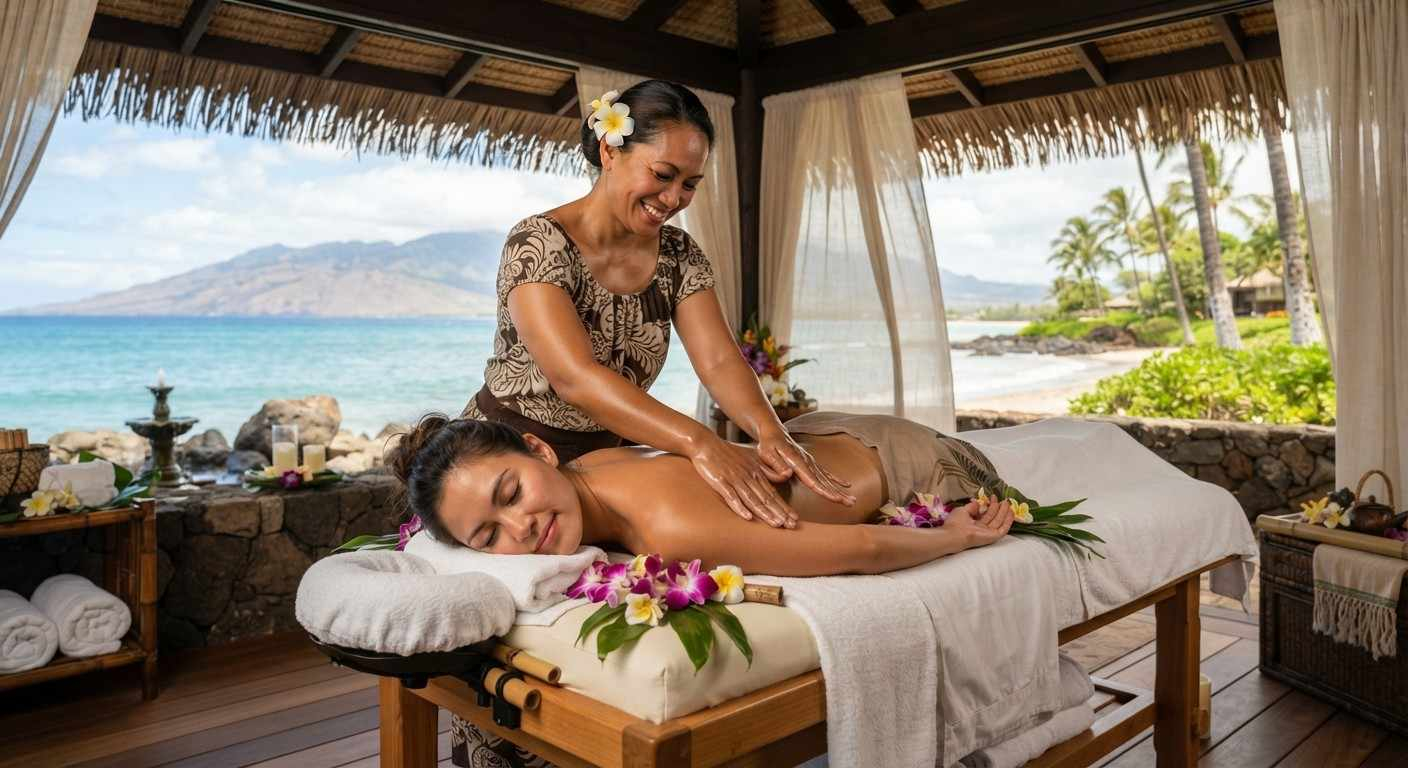
Hawaiian massage, referred to as Lomi Lomi, is a type of traditional massage practiced in Hawaii. It involves smooth strokes, rhythmic actions, and variations in pressure. Hands, fingers, forearms, and elbows can be used for massaging the body.
The technique has cultural origins in Hawaii and relates to the traditional way of treating both physical and spiritual health problems. The method can vary from one practitioner to another, as there is no one universal treatment procedure in Lomi Lomi. A usual massage session includes:
- Smooth gliding strokes on the back, shoulders, arms, and legs.
- Pressure can be gentle or medium based on individual preference.
- Strokes that have a rhythm to them, making the experience relaxing.
- Massage oils to help make the movement smooth on the skin.
- A relaxing environment to promote relaxation.
The primary focus is to provide a relaxing massage experience. There may be some individuals who blend in some aspects of the ancient Hawaiian philosophies in the process.
| Feature | Hawaiian Massage (Lomi Lomi) |
| Other names | Lomi lomi nui, Hawaiian temple massage |
| Origin | Native Hawaiian healing traditions |
| Main technique | Long, continuous strokes with forearms and hands |
| Typical session | 60 to 90 minutes |
| Oil used | Warm oil, often coconut or kukui nut oil |
| Pressure | Light to firm, set by your preference |
| Best for | Stress relief, muscle tension, deep relaxation |
Energy, Breathwork, and Hawaiian Healing Philosophy
1. The Role of Breath (Ha)
Breathwork is also an essential element in the healing practices in Hawaii. Slow and conscious breathing may be advocated to aid relaxation, increase body awareness, and establish a relaxing healing environment.
2. Aligning with Pono (Rightness)
Pono stands for righteousness and balance and means to do the right thing in the Hawaiian tradition. Some Lomi Lomi massage therapists believe that this principle stands for harmony and respect.
How Does Hawaiian Massage Work?
There is a mixture of flowing strokes, kneading, stretching, and rhythmic movement in the Hawaiian massage. The massage technique is customized based on the preferences of the clients, their physical well-being, and their tension points.
1. Long, Flowing Strokes
Long gliding strokes are performed by the practitioner using the palms and forearms. This ensures that there is continuity in the massage process and relaxation occurs.
2. Forearm Massage Techniques
Forearm strokes are among the most characteristic features of many Lomi Lomi types. Forearms are used to perform smooth strokes on large areas of muscles such as the back, thighs, and shoulders.
3. Rhythmic Body Movements
Sometimes the therapist performs gentle body movements and rhythmic techniques during the massage session. Such movement creates an experience flow that is different from the technique involving short isolated strokes.
4. Gentle Kneading and Pressure
Kneading, pressing, and circular strokes are used to address tight areas. The pressure may vary from light to deep depending on the technique and preferences of the client.
5. Massage Oils
The Hawaiian massage involves the application of coconut oil or any other appropriate massage oil. This makes it easier for the practitioner to glide along the skin when applying long strokes.
Benefits of Hawaiian Massage Techniques
1. Physical Health Benefits
Muscle Tension Relief
Hawaiian massage employs flowing movements, kneading, and the use of forearms to loosen tight muscles. This technique could be effective for relieving muscle tension and improving physical relaxation after tiring days.
Improved Circulation
Massage movements involve applying gentle pressure on soft tissues, which might result in increased blood flow in certain areas. This would facilitate muscle relaxation and make the whole process soothing for the person undergoing massage.
Detoxification (Lymphatic Flow)
Gentle massage movements might assist in relaxing the body and promoting fluid flow within superficial tissues. However, Hawaiian massage will not cleanse the body nor substitute the functions of the lymphatic system.
Increased Flexibility
Fluent massage movements and gentle strokes might be useful for reducing the feeling of muscle stiffness. When muscles become relaxed, moving around becomes easier. Nonetheless, massage does not increase joint flexibility.
2. Mental and Emotional Wellness Benefits
Deep Relaxation and Stress Reduction
Hawaiian massage creates a peaceful environment through rhythmic movements and comfortable pressure. This relaxing experience may reduce everyday stress, calm the mind, and support overall emotional well-being.
Emotional Release
People can have emotional reactions while enjoying a relaxing massage. The relaxing environment and touch therapy can help someone become more self-aware, although emotions may not necessarily be an inevitable result of treatment.
Restoration of Balance
Lomi Lomi is based on the traditional idea of balance in the Hawaiian culture. The technique used in this type of massage might help one become relaxed and aware of their body.
How Long Does a Hawaiian Massage Take?
A session for the Hawaiian massage can take anywhere from 60 to 120 minutes, based on the therapist and the way he or she applies the therapy.
| Session duration | What to expect |
| 30–45 minutes | A shorter session focusing on selected areas |
| 60 minutes | A general full-body relaxation experience |
| 90 minutes | More time for flowing techniques and individual attention |
| 120 minutes | An extended session with a slower treatment pace |
Not all spas provide the duration mentioned above. Consult the therapist regarding the duration of the massage therapy.
Hawaiian Massage vs. Other Massage Types
Hawaiian massage therapy differs from others because of its use of long strokes and rhythmic forearm strokes. Each type of massage has its own method, pressure, and purposes. The following are comparisons of Hawaiian massage therapy with some popular forms of massage therapy.
| Massage type | Main techniques | Common focus |
| Hawaiian massage | Flowing strokes, forearm movements, kneading | Relaxation and muscle comfort |
| Swedish massage | Long strokes, kneading, circular movements | General relaxation |
| Deep tissue massage | Slow, firm pressure and targeted techniques | Deeper muscle tension |
| Thai massage | Stretching, compression, and assisted movements | Flexibility and mobility |
| Shiatsu massage | Finger and palm pressure | Pressure-point bodywork |
Hawaiian Massage vs. Swedish Massage
Long strokes, kneading, tapping, and circular motions are used in Swedish massage to encourage relaxation. In Hawaiian massage, long strokes are employed as well, but continuous forearm motions tend to be a bit more significant than in Swedish massage. Both kinds can give a relaxing massage experience. Your personal choice regarding technique, pressure, and culture might determine which one you select.
Hawaiian Massage vs. Deep Tissue Massage
Deep tissue massage entails focusing on areas with constantly tight muscles while using slow and firm pressure. The Hawaiian massage usually focuses on fluid movement but may sometimes involve firm pressure. If you would like to have a relaxed massage session and enjoy continuous movement throughout the session, you may want to opt for Lomi Lomi massage.
Hawaiian Massage vs. Thai Massage
Assisted stretching, compression, and rhythmic pressure are common components of Thai massage. Clients can dress comfortably for the massage session, and the therapist will move your body into various positions. Massage oil and flowing strokes done while lying down on a massage table are common to Hawaiian massage, which is often different from Thai massage.
Who Can Benefit From Hawaiian Massage?
Hawaiian massage may be recommended for adults seeking a relaxation massage and who prefer flowing techniques. Hawaiian massage may be worth trying if you:
- Feel stressed and need time to unwind.
- Have slight muscle tension due to sitting at the desk.
- Love receiving long strokes of massage.
- Like receiving light to medium massage strokes.
- Need to try out authentic Hawaiian massage therapy.
- Consider massage therapy as part of self-care practices.
FAQs
Is Hawaiian massage suitable for beginners?
Yes. People who are beginners can try their hand at Hawaiian massage since the pressure and technique can be adjusted depending on the individual’s preference. Let the practitioner know that this is your first time so that they can explain the procedure.
What is the difference between Lomi Lomi and Hawaiian massage?
The Hawaiian name Lomi Lomi is typically used to refer to Hawaiian massage. The two terms usually refer to the same type of bodywork, even though the practitioners may employ various approaches and methods.
Is Hawaiian massage good for stress?
Hawaiian massage may assist individuals in relieving stress and relaxing. The gentle movement of the massage and the relaxing atmosphere of the treatment session can provide a soothing effect. However, this method is not a replacement for professional treatment for anxiety disorders.
Conclusion
Lomi Lomi is a Hawaiian massage technique that uses flowing motions, rhythmic gestures, and pressure to induce a feeling of calm. It might assist you with reducing muscle stiffness, alleviating daily stress, and increasing body awareness. Familiarity with the techniques, advantages, and variations of the Hawaiian massage will help you to understand if it is right for your relaxation needs.