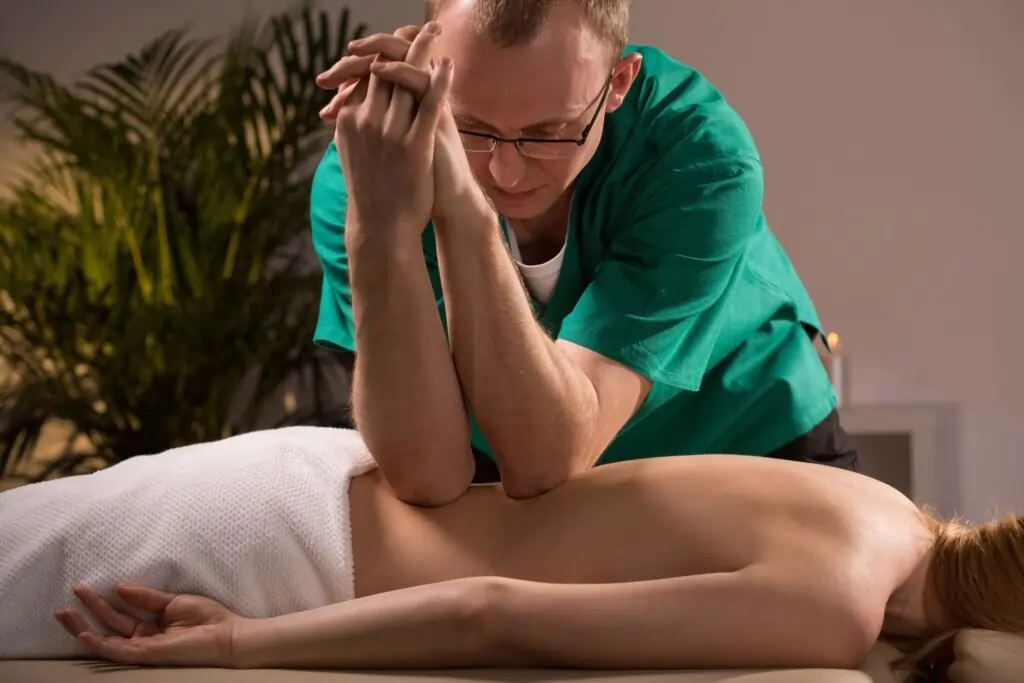
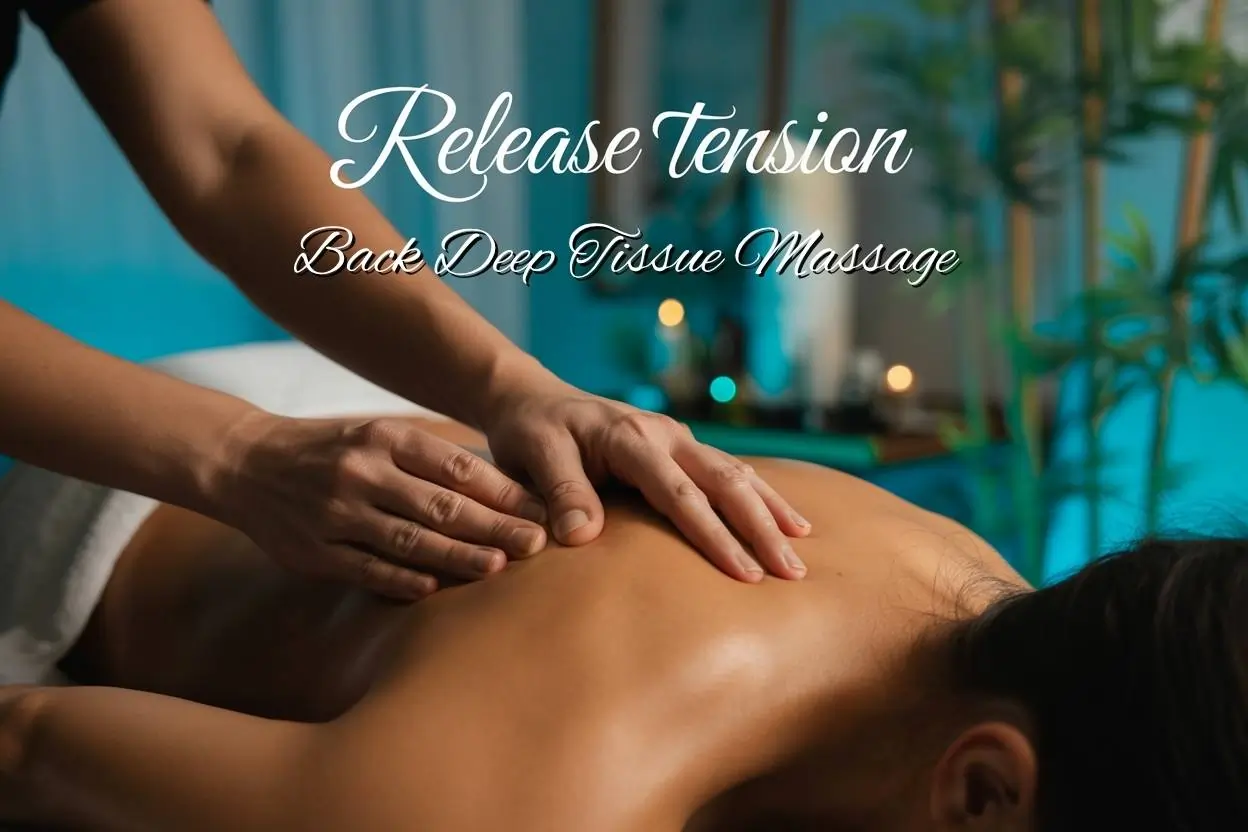
Deep tissue massage is a therapeutic massage technique that focuses on the deeper layers of muscle and fascia. Unlike relaxation massage, deep tissue work uses firm, controlled pressure to target specific problem areas such as the back, shoulders, neck, hips, and legs.
This massage is especially helpful for:
Each session is customized based on your pain level, comfort, and treatment goals.
Does deep tissue massage hurt?
Deep tissue massage uses firm pressure, but it should never be painful. Pressure is adjusted to your comfort level.
Is deep tissue massage good for back pain?
Yes, it is highly effective for lower back, neck, and shoulder pain.
How long is a deep tissue massage session?
We offer 60-minute, 90-minute, and extended sessions based on your needs.
Is soreness normal after deep tissue massage?
Mild soreness is normal and usually goes away within a day or two.
When considering a massage, it’s important to know what to expect from your session. Deep tissue massage requires deeper pressure than other types of massage. The therapist uses hands, elbows, or other tools to apply firm pressure to the deeper layers of muscle and connective tissue. You may feel discomfort or slight pain during the massage. Especially when the therapist is working on areas with a lot of tension and knots. However, it is important to discuss your health with your therapist, as they can tailor the pressure to your needs. During the massage session, your therapist will ask for feedback on your pressure so you can adjust accordingly. It’s important to be open with your therapist about your health and any areas that need more attention. It is not uncommon to experience pain and stiffness after a deep tissue massage in Raleigh and Wake Forest, NC. Especially if it is the first session or if the therapist is working on an area of high tension, but this pain will subside in a day or two.
Proper aftercare is essential after a deep tissue massage. Here are some things to consider:
Drink lots of water: Deep tissue massage can release toxins and metabolic waste products from the muscles, which can lead to dehydration. Drink plenty of water after the massage to flush out these toxins and keep yourself hydrated.
Please try to Rest and Relax: After the massage, rest and relax. Avoid strenuous activity or exercise for at least 24 hours, as the muscles will be damaged and will take longer to recover.
Do some light stretching: Strenuous exercise should be avoided, but gentle stretching can help increase blood flow and muscle flexibility. Your therapist may recommend certain stretches to do at home after your massage.
Take a warm bath: A warm bath can help relax muscles and promote healing after a deep tissue massage. Add Epsom salts to the water to further promote relaxation and reduce inflammation.
Listen to your body: After the massage, pay attention to your body condition. If you experience any discomfort or pain, consult a therapist and, if necessary, a doctor.
Following these aftercare tips can help promote healing and recovery after a deep tissue massage. Remember to listen to your body and communicate with your therapist to get the best results possible.
Deep tissue massage typically uses a variety of techniques and instruments to target the deeper layers of muscle tissue and fascia. Some of the most commonly used tools in deep tissue massage are:
Ankles and Elbows – These are used to apply deep pressure to specific areas of the body, especially around joints.
Trigger Point Tools – These can be used to apply pressure to trigger points, areas of muscle tension that can cause associated pain.
Massage balls and rollers – can be used to apply pressure to specific areas of the body to help relieve tension and improve circulation.
Percussion Tool – Can be used to apply rapid, repetitive pressure to larger muscle groups to improve circulation and reduce muscle tension. Overall, deep tissue massage is a versatile technique that can be tailored to each client’s specific needs, using a variety of instruments and techniques to release tension, relieve pain, and improve overall body function. improve.
Deep tissue massage is a type of massage therapy that is focused on releasing tension and discomfort in the deep layers of muscle and connective tissue. It is a therapeutic technique that uses slow, firm, and deep pressure to reach deeper layers of muscles, tendons, and fascia, which can help to break down scar tissue and adhesions, improve circulation, reduce inflammation, and alleviate chronic pain. Deep tissue massage often targets specific areas of the body where there is chronic tension or pain, such as the neck, shoulders, back, or hips. During a deep tissue massage session, the massage therapist may use their hands, elbows, forearms, or even feet to apply pressure and work on the deeper layers of tissue. They may also use techniques such as myofascial release, trigger point therapy, and stretching. Overall, deep tissue massage can be a highly effective treatment for chronic pain, injury recovery, and overall relaxation.
⭐⭐⭐⭐⭐ Very relaxing massage. Best experience in Raleigh!
⭐⭐⭐⭐⭐ Deep tissue massage helped my back pain a lot.